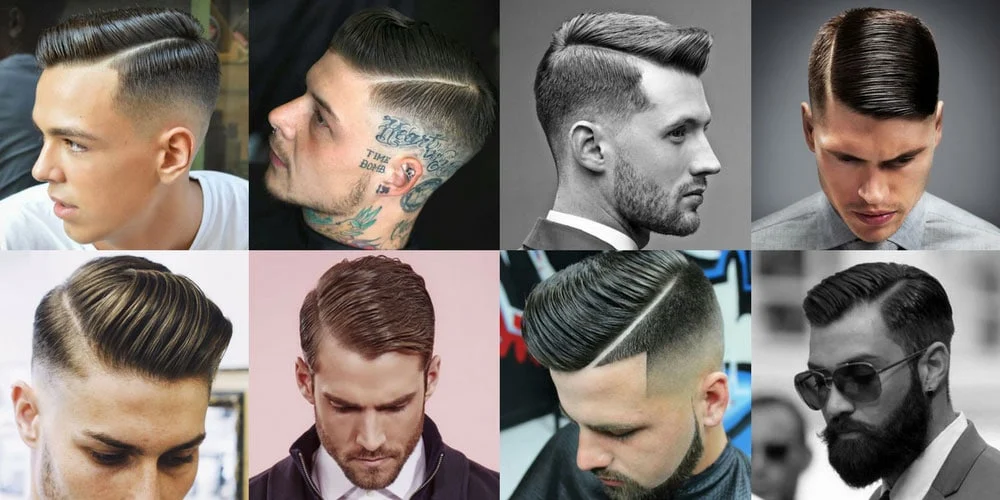
Few hairstyles carry as much timeless authority as the Side Part Undercut. It’s sharp, structured, and endlessly versatile — the kind of cut that’s looked just as powerful on 1920s gangsters as it does on today’s CEOs and creatives. From Peaky Blinders to red-carpet icons, its clean lines and dramatic contrast between the sides and top tell the world you mean business (but know how to have style while doing it).
At its core, the style is built on contrast. The “undercut” gives that tight, disconnected base around the sides and back, while the “side part” adds polish and precision up top. Together, they strike the perfect balance between rebellion and refinement. That’s what’s kept this look alive for nearly a century — it evolves, but never really leaves.
The Cut: Understanding the Mechanics (Barber Talk)
Before you sit in the chair, it helps to know exactly what you’re asking for. The Side Part Undercut isn’t just about short sides and a clean part — it’s about proportion and disconnection done right.
The Undercut Foundation (Sides & Back)
This is where the definition happens. The undercut keeps the sides and back at one even length, creating a clear break from the longer top. Most barbers achieve this with a #1 or #2 guard, though you can go for a skin undercut if you want a sharper, high-contrast edge.
Here’s the golden rule: unlike a fade or taper, an undercut doesn’t blend. The transition is abrupt — and that’s exactly what gives it that bold, structured look. It’s this disconnection that makes the top pop and gives the hairstyle its crisp, architectural vibe.
The Top Length Requirement
The top is where all the personality lives — it’s what separates a basic undercut from a truly stylish one. For a proper side part undercut, you’ll want at least 4 to 6 inches of length up top. That gives you enough room to build volume, sweep the hair across the part, and keep it from falling flat.
If your hair is thick or heavy, ask your barber for point cutting or texturizing. This technique removes bulk without shortening the overall length, helping your hair stay light and easy to shape. The goal is movement — that effortless lift when you comb it over.
Different textures play out differently here:
- Straight hair creates a sleek, classic finish — perfect for that polished 1950s look.
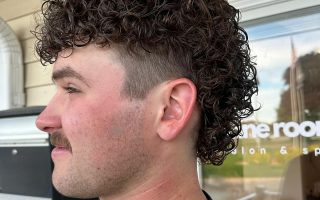
- Wavy or slightly curly hair adds natural volume and edge, giving the undercut a modern twist.
With the right cut, the top should naturally want to fall into the side part. That brings us to the next key detail — how to define that line cleanly.
Defining the Part
The side part is what brings the whole look together — that clean line separating order from chaos. There are two main ways to do it, and your choice depends on how bold you want the contrast to be.
If you prefer something subtle and natural, go for a soft part. Your barber will simply find the spot where your hair naturally falls and define it using a comb. It’s understated and easy to maintain — ideal if you like flexibility in styling.
For a sharper, more dramatic edge, ask for a hard part. This involves using a trimmer or razor to etch a precise line into the scalp. It instantly gives your hairstyle structure and definition, especially when paired with a clean fade or slicked finish.
A quick tip before you commit: always find your natural part first. Tilt your head forward after washing your hair and notice where it separates on its own. That’s your best guide for a balanced, flattering look that sits right every time.
The Style: Achieving Max Volume and Hold
Once your haircut’s foundation is set, styling becomes the fun part — and it’s surprisingly simple once you know the steps. The Side Part Undercut thrives on structure, so the goal here is to build volume, direction, and staying power without weighing your hair down.
Preparation and Volume
Start right after a shower while your hair is still towel-damp. Apply a sea salt spray or lightweight mousse to boost texture and volume — this gives your hair that natural lift instead of a stiff, product-heavy feel.
Then comes the blow-dry. Using a round brush or skeleton brush, dry the hair forward and upward, focusing on lifting from the roots. This creates the height you’ll need to sweep it across the part. For extra control, blow-dry in the direction you want your hair to fall — that’s the secret behind those perfectly sculpted, photo-ready looks.
Once the hair’s dry, you’re ready to lock in the shape with your preferred product — and that choice defines whether your finish feels classic or modern.
Product Selection and Application
Your choice of product decides whether you’ll look like a vintage movie star or a modern-day trendsetter. The Side Part Undercut adapts beautifully to both — it’s all about the finish you’re after.
For a classic, high-shine look, reach for an oil-based or strong-hold water-based pomade. These give that sleek, polished sheen made famous by old-school icons. Warm a small amount between your palms until it softens, then work it from roots to tips to evenly distribute. Comb through for that smooth, reflective surface that stays put all day.
If you prefer a matte, textured look, try a styling clay or paste. These products add grip and definition without the shine, creating a more natural, effortless vibe. They’re especially great for thicker or wavier hair that already has volume.
Either way, less is more. Start small — about a dime-sized amount — and layer gradually if needed. It’s easier to add than to fix an overload of product. Once applied, your final step is shaping — turning that structure into a statement.
Combing and Shaping
Now that your hair has volume and hold, it’s time to define that clean, timeless silhouette. The key here is precision — every stroke of the comb matters.
Start by using a fine-tooth comb to draw your side part. Begin at the front hairline, following the natural line you or your barber defined earlier. Once you’ve separated the sections, comb the top hair across and slightly back, allowing it to fall cleanly over the part.
The goal is balance — you want structure without stiffness. Keep the top smooth and elevated, while the shorter sides stay tight and neat. For extra polish, use your fingers to loosen the top slightly after combing; this gives the look a natural, lived-in texture rather than a rigid, helmet-like finish.
If you went for a high-shine style, a final comb pass will lock everything in. For matte finishes, skip the final comb and use your hands to shape — it keeps the style more relaxed.
Variations and Personalization
One of the best things about the Side Part Undercut is how adaptable it is. You can make it your own — whether you lean more vintage, modern, or somewhere in between. Small tweaks in part placement, texture, or beard pairing can completely change the vibe.
Part Placement: High vs. Low
A high part instantly channels that old-school, Peaky Blinders-inspired energy — clean, sharp, and commanding. It exposes more scalp and contrast, giving your look a distinctly retro edge.
A low part, on the other hand, feels softer and more casual. It suits everyday wear, especially if you like a bit of movement or tousle in your style. Low parts also work better for men with rounder face shapes since they add visual balance.
Hair Type Suitability
- Straight or Fine Hair: Go for pre-styling sprays and volumizing products. They help lift the roots and prevent your hair from lying too flat.
- Thick or Wavy Hair: You’ll need stronger hold — clays or pomades that can tame volume while keeping definition. Ask your barber for light thinning or weight removal if your hair feels too bulky.
Beards and Facial Hair
Pairing the side part undercut with the right facial hair is where the look really shines. A clean shave keeps things formal and sleek — perfect for business settings. Short stubble adds a bit of ruggedness without losing polish, while a well-maintained full beard gives off that modern gentleman vibe, balancing sharpness with maturity.
Maintenance and Upkeep
A crisp Side Part Undercut only looks its best when it’s well-maintained. Because the style relies heavily on contrast between the long top and short sides, keeping it sharp requires regular attention — but not a ton of effort.
Barber Frequency
To preserve that clean disconnection, aim to visit your barber every 3–4 weeks. This keeps the sides tight and the lines fresh. If you prefer a skin undercut, you might need a quick tidy-up every two weeks since regrowth can blur the edges faster. A simple neck and side cleanup between full cuts can make a big difference.
Product Care
If you use heavy pomades or waxes, it’s smart to clarify once a week. A clarifying shampoo or a dab of dish soap (in a pinch) breaks down buildup and restores your hair’s natural texture. Follow up with a lightweight conditioner to keep your hair soft and manageable.
Taming the Grow-Out
When your undercut starts to grow out, it can look awkward before it blends. During this stage, switch to matte styling products — they hide uneven lengths better. You can also experiment with brushing the top forward or creating a looser, side-swept style until your next appointment.
Keeping the style crisp is about consistency — not perfection. A bit of attention every few weeks keeps it looking intentional, no matter where you are in the grow-out cycle.
Conclusion: A Lasting Statement
The Classic Side Part Undercut isn’t just a haircut — it’s a timeless expression of confidence and control. Its clean lines, balanced structure, and effortless versatility have carried it through decades of style changes, from the roaring ’20s to modern boardrooms and runways. Whether you wear it slick and polished or matte and relaxed, it always delivers that unmistakable blend of refinement and edge.
At the end of the day, this cut works because it adapts — to your face shape, your lifestyle, and your vibe. It’s low-fuss yet undeniably sharp, giving you that “put-together” look even on off days.
So, when you’re ready to get one, find a barber who understands disconnection — someone who can keep the balance between structure and flow. And don’t skimp on your styling products; the right ones can elevate your look from everyday neat to unforgettable.