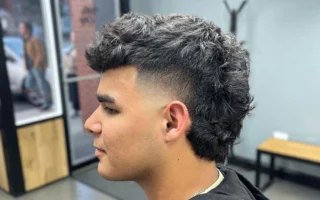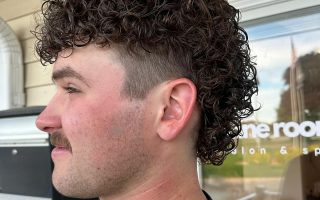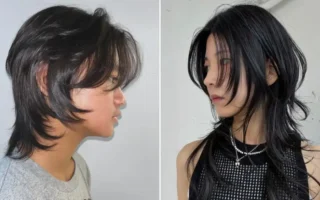
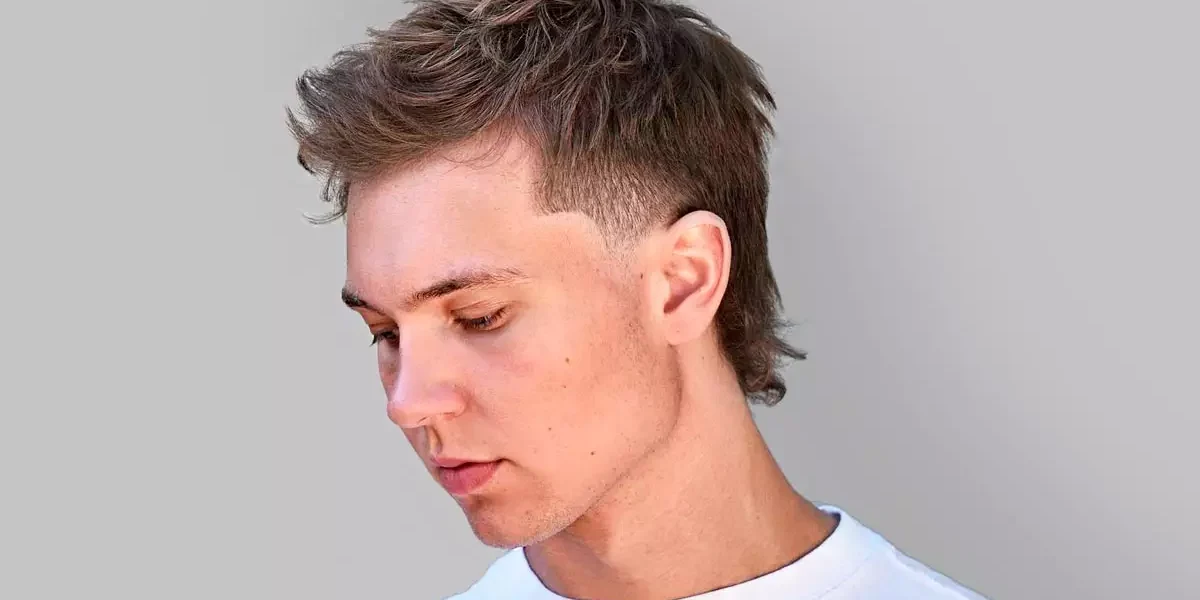
The mullet is no longer a punchline. In modern barbering, the taper mullet has become one of the most requested haircuts in shops across the US, Europe, and Australia. The reason is simple. It blends the rebellious “party in the back” identity with precise barbering techniques that deliver a clean, professional silhouette.
Unlike the harsh disconnected mullets of the 1980s, the modern taper mullet uses controlled fading and scissor work to produce a smooth transition from the temples to the nape. When executed correctly, it balances structure, texture, and proportion. According to barbering specialists at Highland, the key difference lies in the gradual taper that replaces aggressive shaved sides.
But achieving a strong taper mullet requires more than growing hair in the back. Professional barbers rely on anatomy, proportions, and blending techniques to create a haircut that works with the head shape rather than against it.
This guide breaks down the technical foundations and explores 15 taper mullet ideas that work across hair types, face shapes, and lifestyles.
15 Taper Mullet Ideas for 2026
The beauty of the taper mullet is its adaptability. Below are 15 styles categorized by texture, structure, and personality.
1. Low Taper Mullet
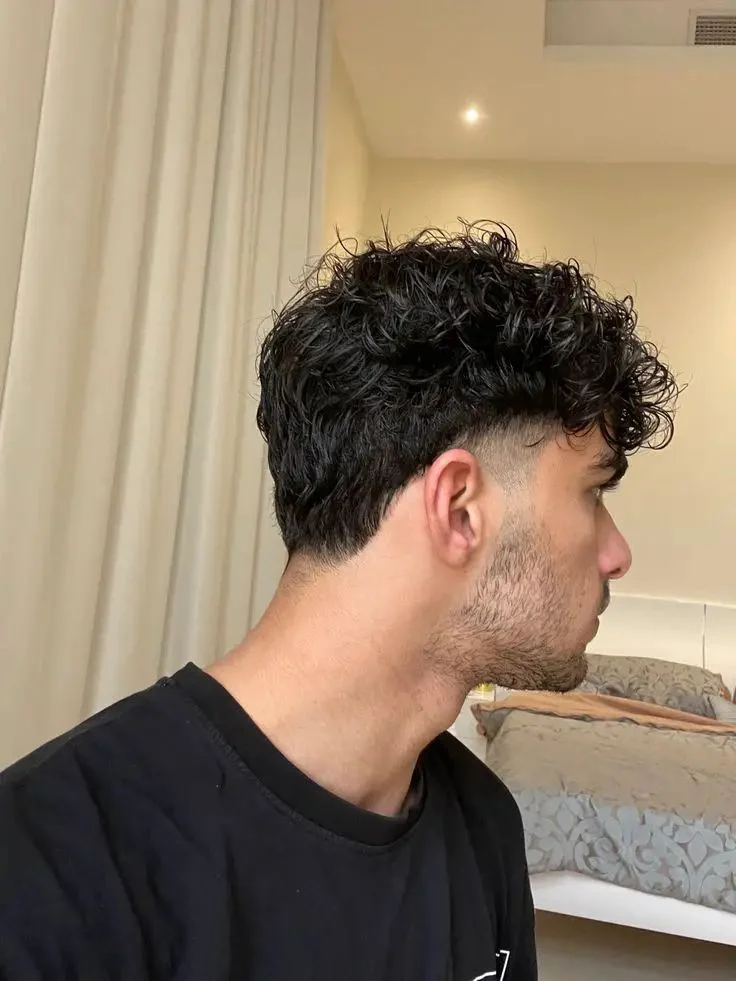
The low taper mullet is the safest entry point into the style. The taper starts just around the ears and neckline, leaving most of the sides intact.
This creates a subtle shape that works well in professional environments while still delivering the mullet identity.
2. Mid Taper Mullet
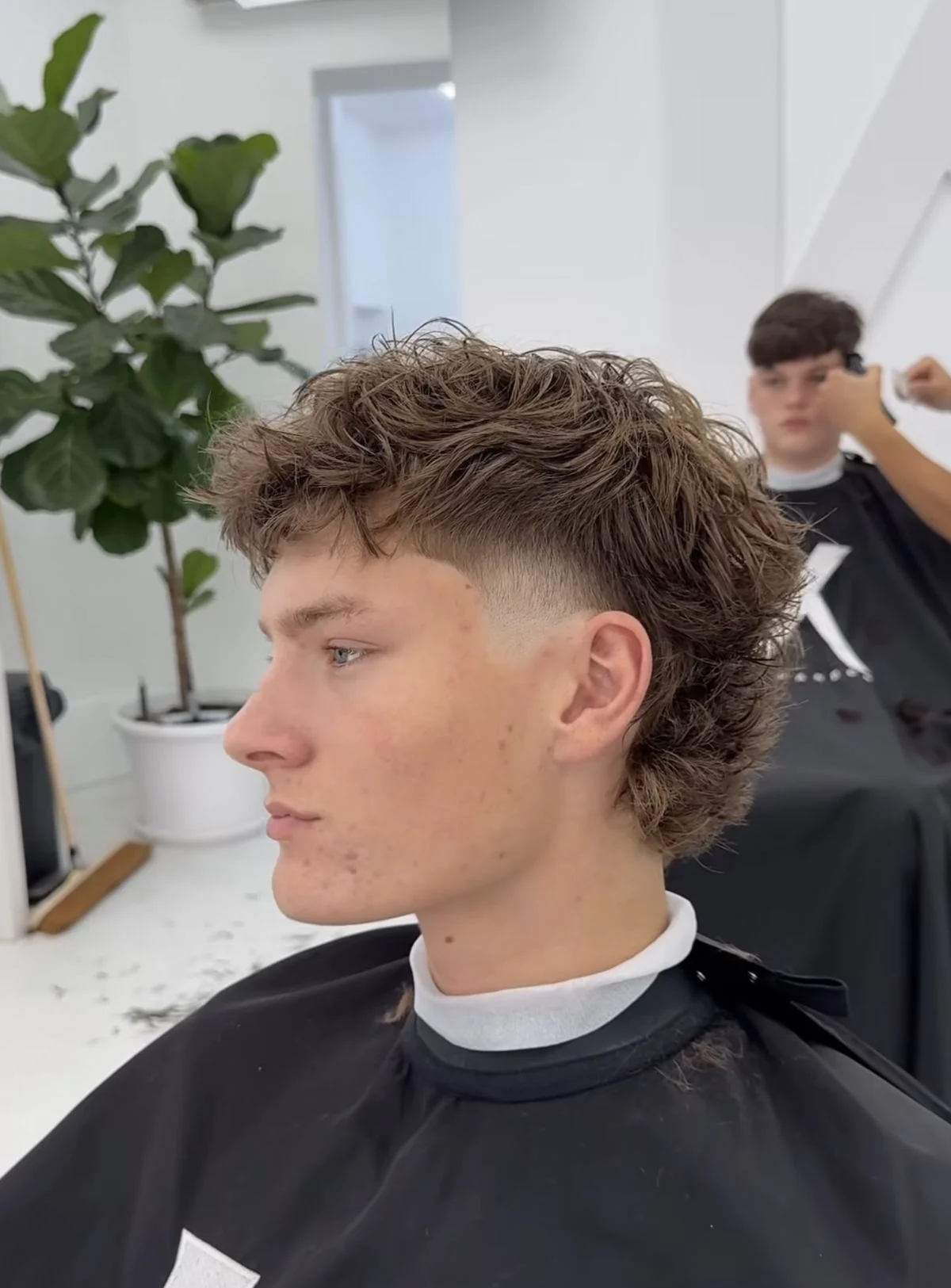
A mid taper creates stronger contrast between the top and sides. The fade begins slightly higher on the head, which highlights the texture of the crown.
This variation balances clean structure with visible length in the back.
3. High Taper Mullet
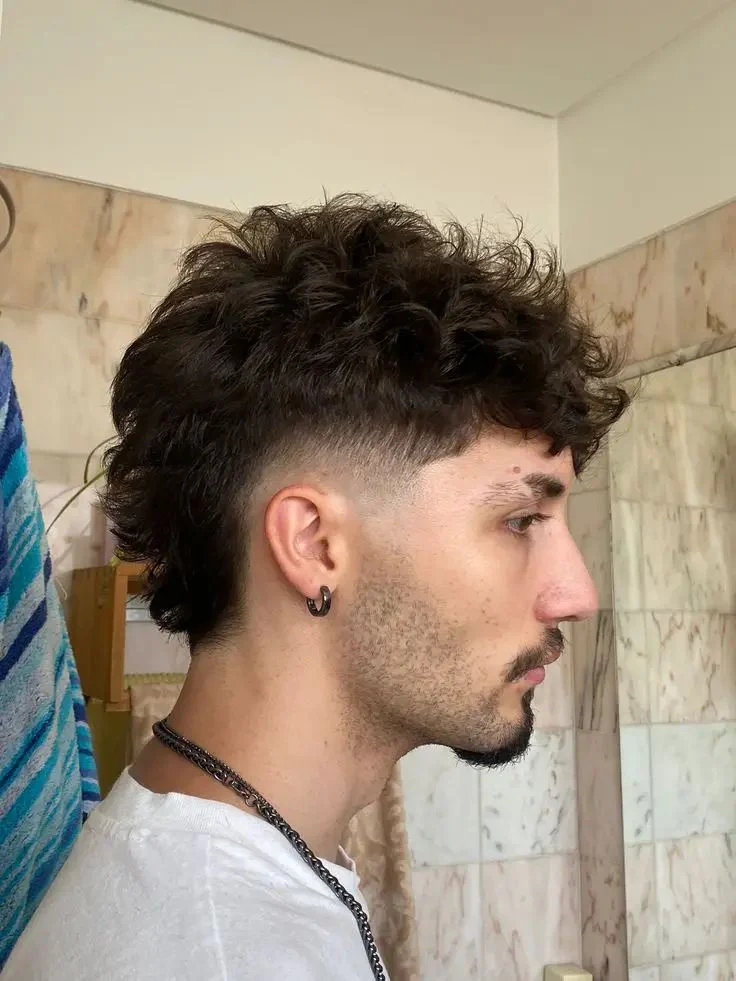
The high taper version is sharper and more dramatic. The fade begins near the temples, exposing more skin and making the back appear longer.
This style works particularly well on square jawlines because the vertical volume enhances facial structure.
4. Classic Scissor-Cut Taper
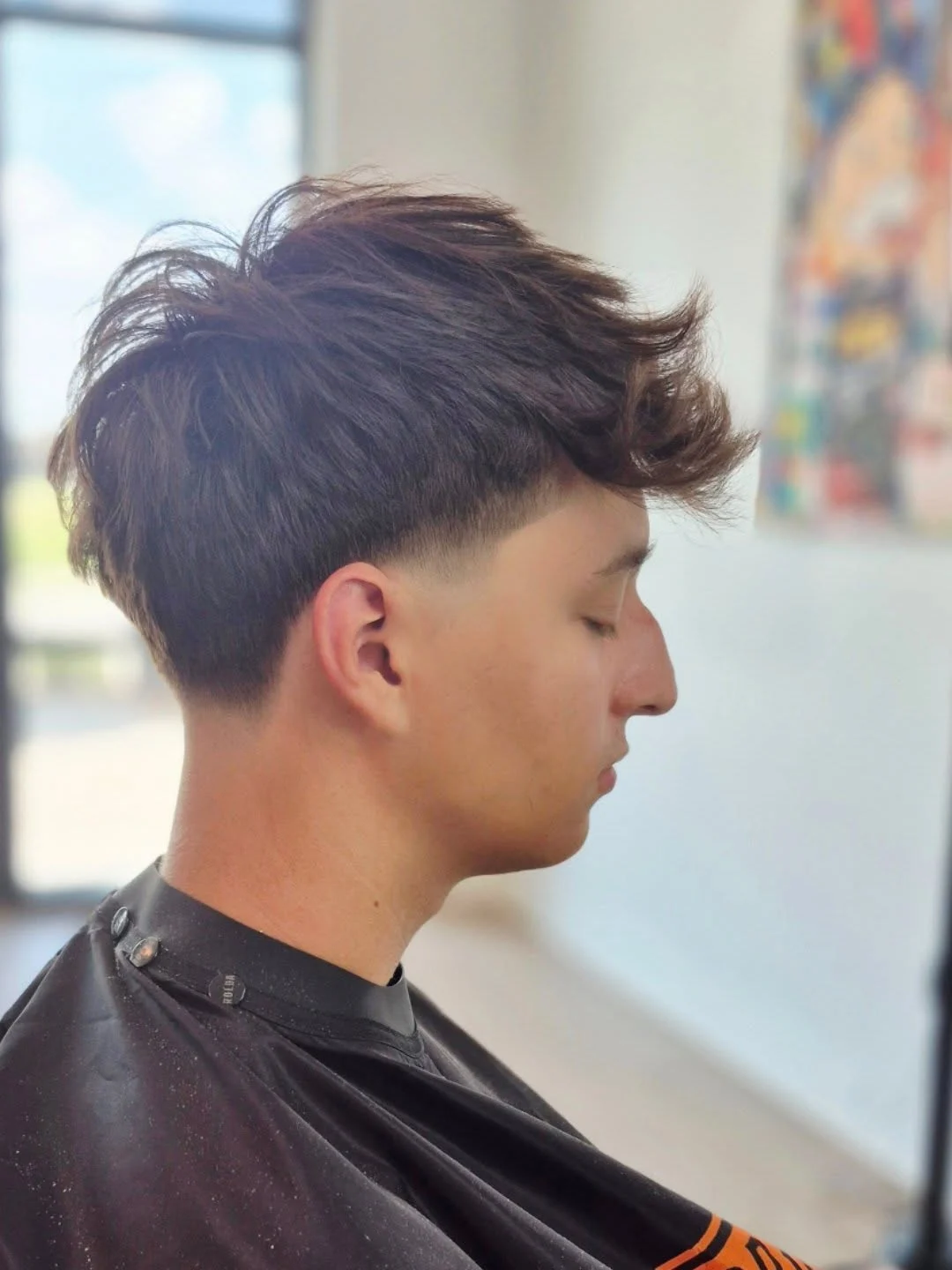
Some barbers avoid clippers entirely for this version. The transition is created using scissor techniques and point cutting.
The result is a soft, natural blend that grows out extremely well.
5. Curly Taper Mullet
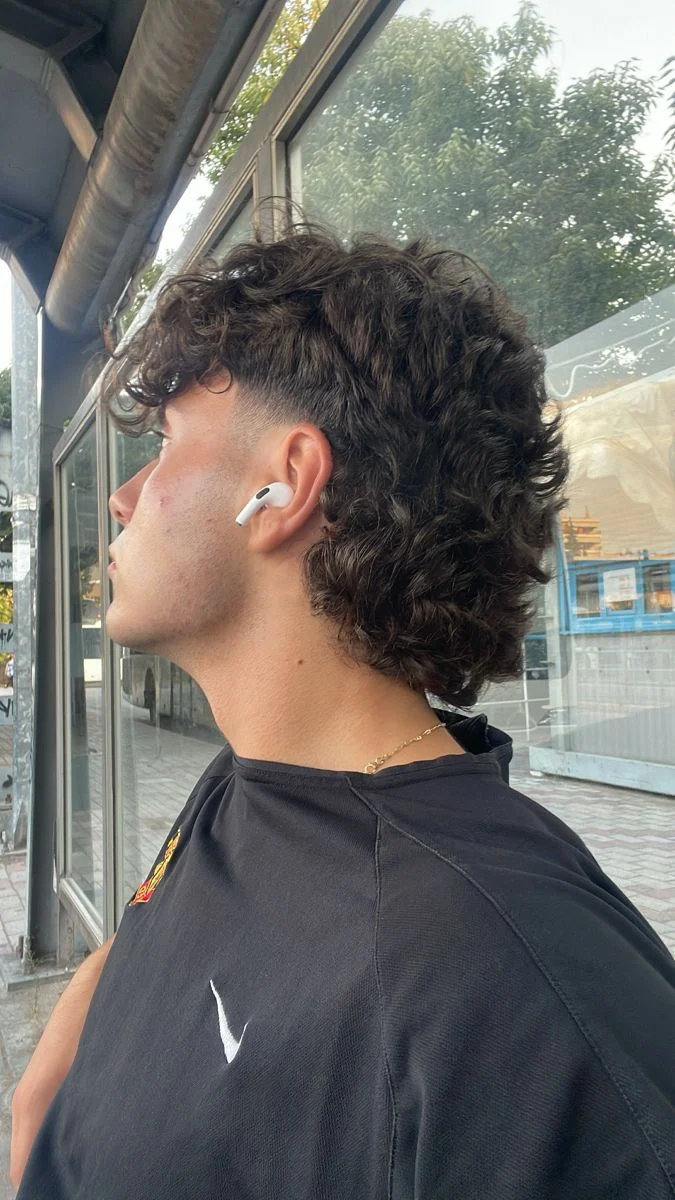
Curly hair benefits heavily from tapering because it removes bulk around the sides while allowing curls to expand naturally at the crown and nape.
A diffuser attachment during drying helps distribute heat evenly and prevents the back from forming frizzy “shelf hair.”
6. Wavy Flow Taper
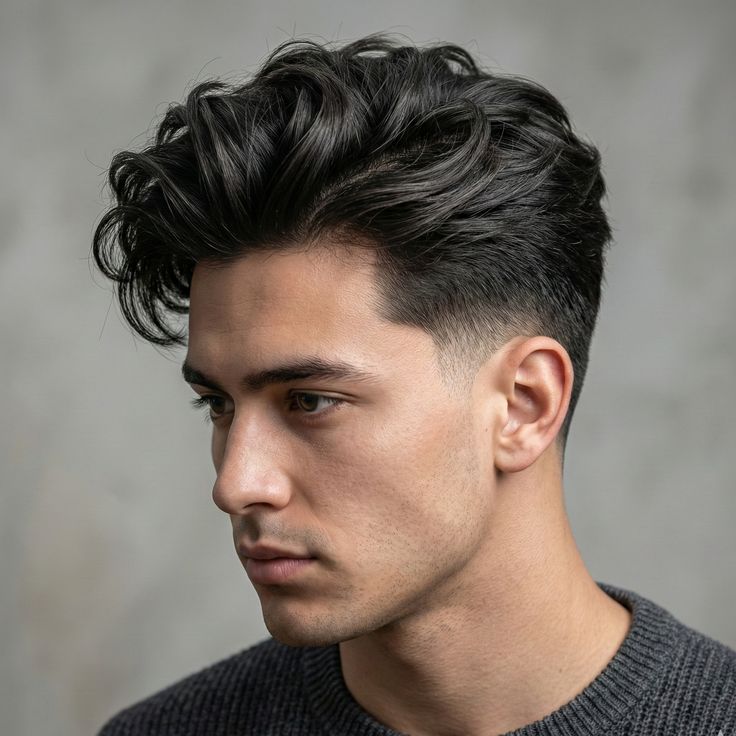
This relaxed version leans into natural movement. Wavy hair creates flow from the crown to the nape, producing a laid-back surfer aesthetic.
A sea salt spray enhances texture without making the hair stiff.
7. Straight Edge Taper Mullet
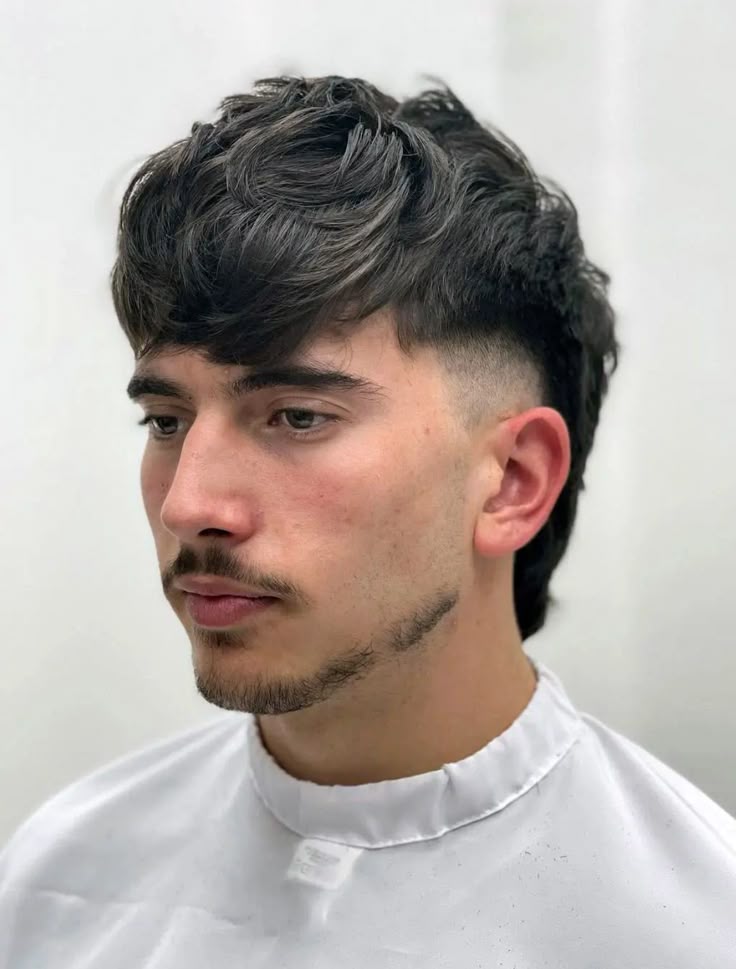
Straight hair allows barbers to emphasize precision lines. The back often features blunt edges, while the taper stays extremely clean around the ears.
This structured approach gives the mullet a modern, architectural look.
8. Textured Fringe Mullet
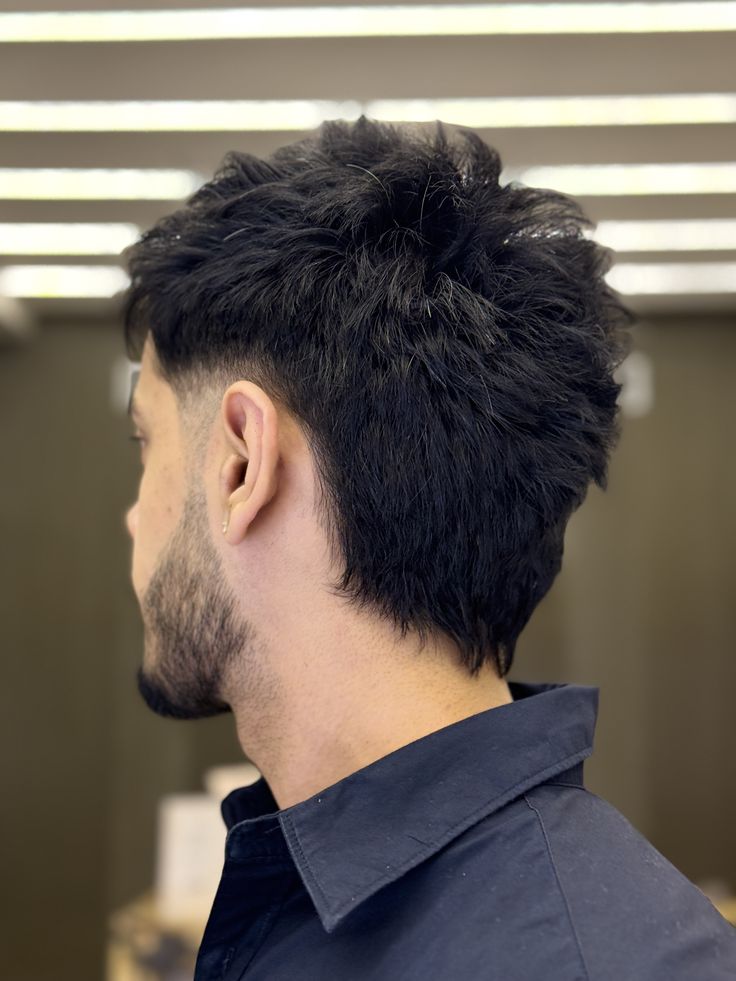
The textured fringe mullet adds a choppy front section that contrasts with the longer back.
The fringe introduces volume at the forehead, which is useful for round face shapes that benefit from added height.
9. Burst Fade Mullet
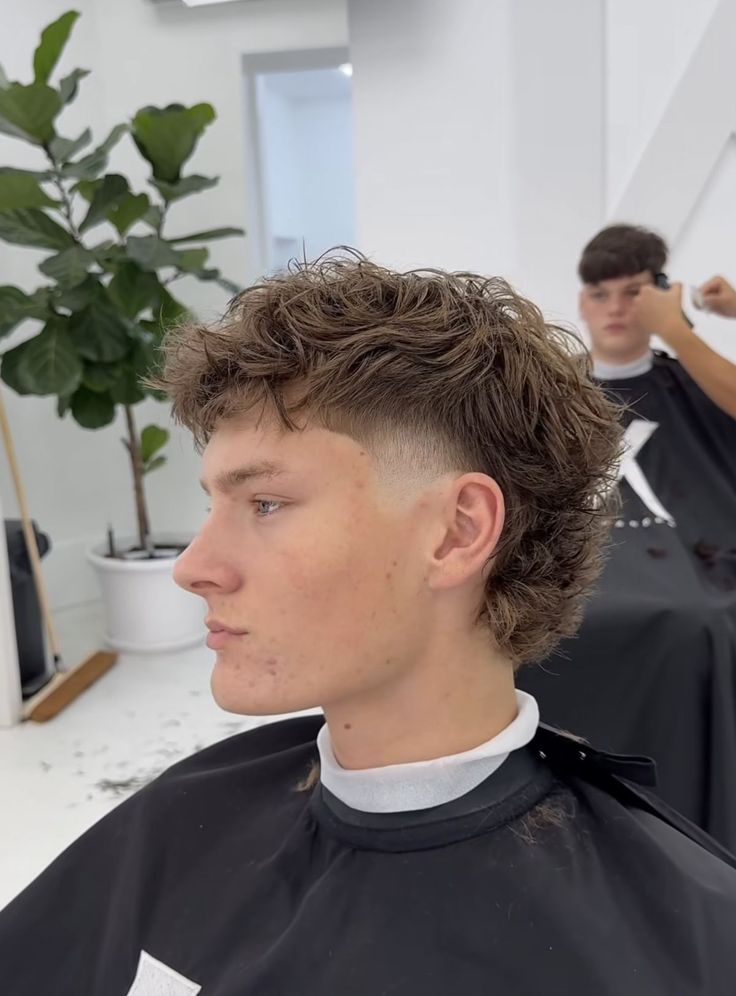
The burst fade mullet is frequently confused with a taper. The difference lies in the fade pattern.
Instead of a straight taper line, the fade forms a circular pattern around the ear while leaving the back untouched. This produces a dramatic halo effect around the ear.
10. French Crop Taper Mullet
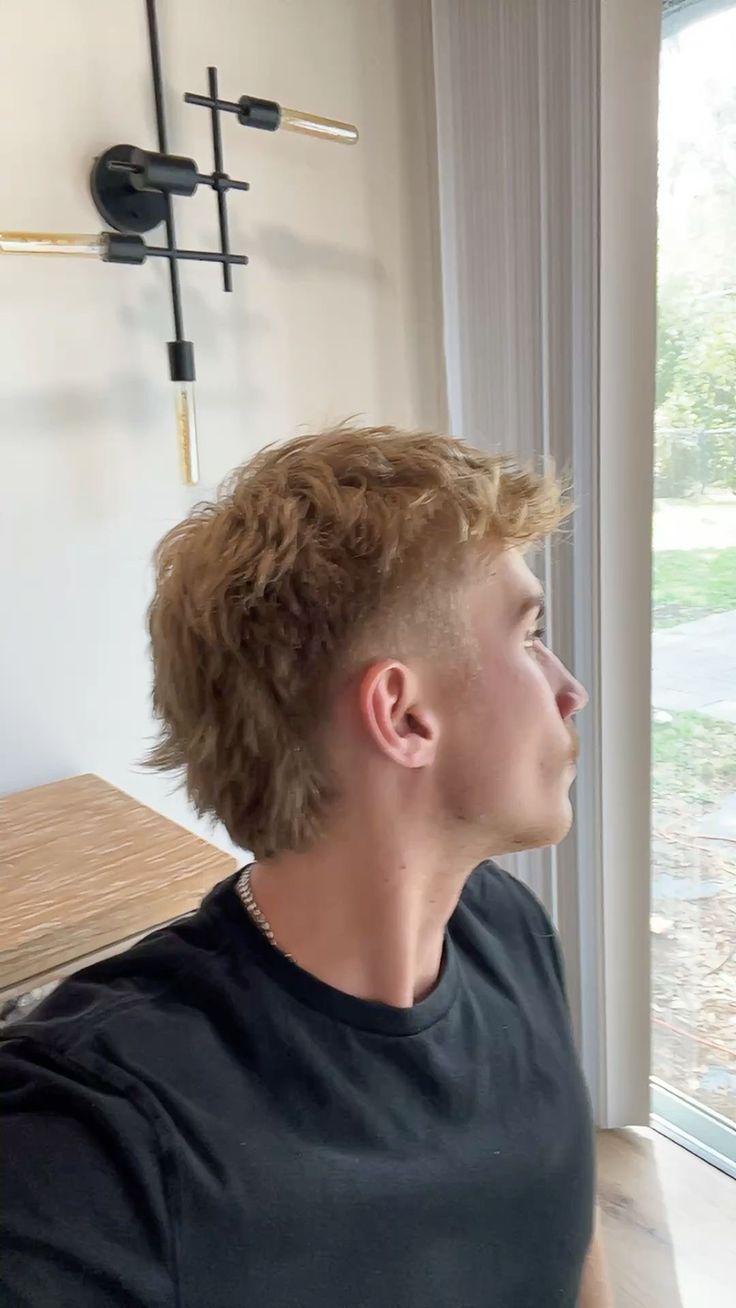
This variation pairs the mullet with a cropped fringe inspired by the French crop.
The blunt front contrasts sharply with the flowing back, producing a distinctive and fashionable silhouette.
11. Wolf Cut Hybrid
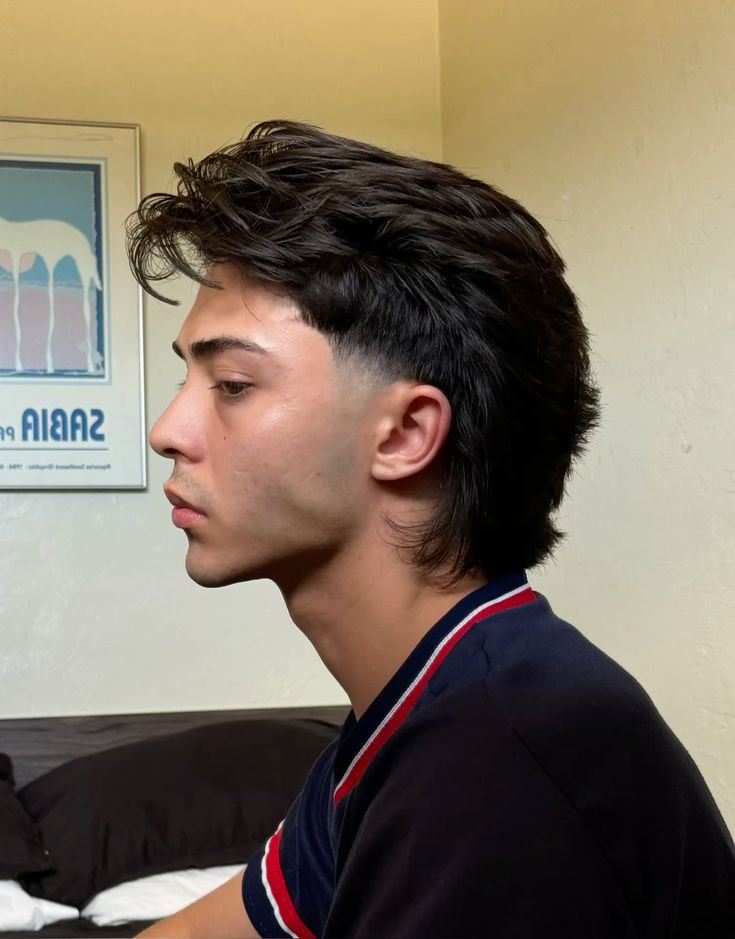
The wolf cut mullet blends shag haircut layering with mullet proportions. The result is softer and more textured.
This hybrid is especially popular among younger audiences influenced by K-pop and modern fashion trends.
12. Mohawk Taper Mullet
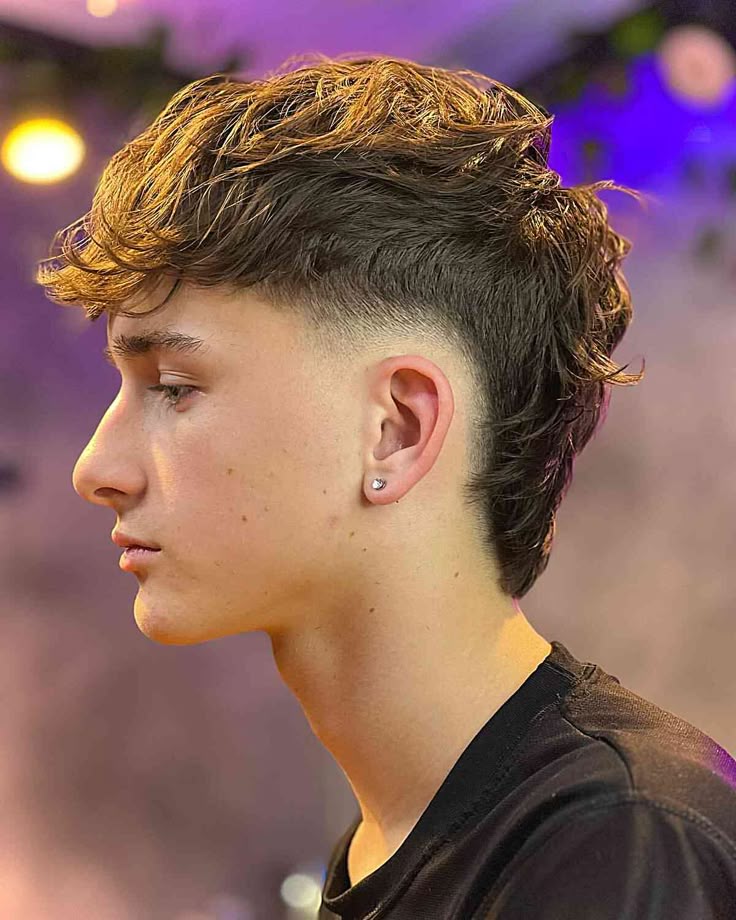
This version emphasizes the center ridge of the head. The top is styled upward while the back continues the ridge into a longer tail.
The taper keeps the sides tight so the central ridge becomes the visual focus.
13. Disconnected Taper Mullet
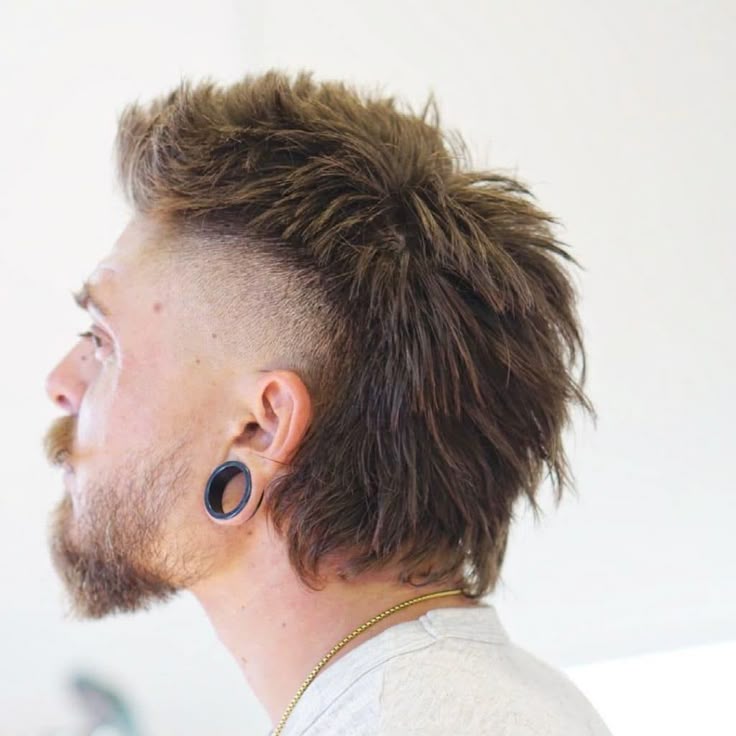
The disconnected version intentionally creates contrast between the tapered sides and longer top.
The sharp separation gives the haircut a punk-influenced aesthetic.
14. Razored Design Taper
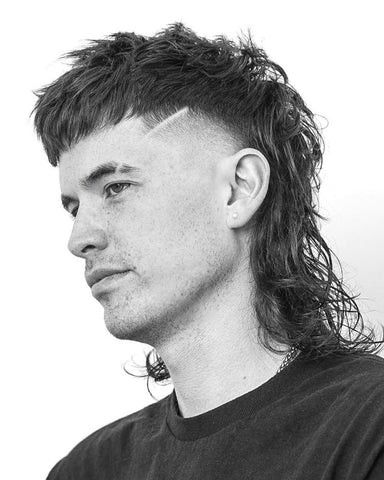
Some barbers incorporate geometric patterns or lines into the tapered sections.
This customization allows clients to express individuality while maintaining the core mullet shape.
15. Bleached Tips Mullet
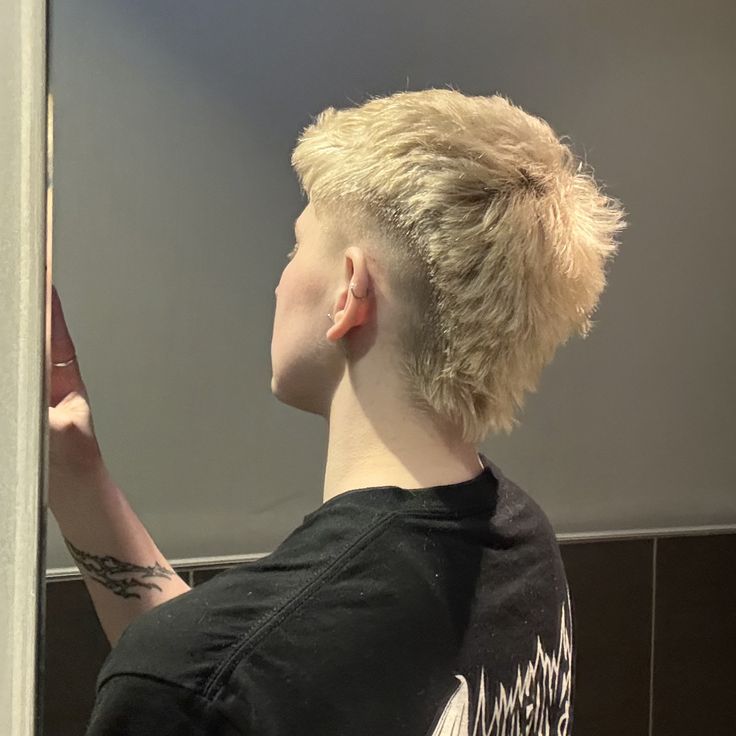
Color adds dimension to the layers of the back. Bleached tips highlight movement and texture, especially on wavy or curly hair.
The Technical Blueprint Behind a Great Taper Mullet
Before choosing a variation, it helps to understand what makes the taper mullet structurally sound.
The 3:1 Length Ratio
A well-balanced mullet follows a simple rule used by many experienced barbers. The hair at the nape should be roughly three times longer than the hair at the apex of the head.
This proportion prevents the haircut from drifting into mohawk territory and maintains the recognizable mullet silhouette.
The Occipital Bone Anchor
The occipital bone acts as the natural anchor for the mullet. Hair length should begin to drop just below this ridge so the back flows naturally instead of sticking out.
If the weight line sits too high above the occipital bone, the back can look bulky or shelf-like.
Shear-Over-Comb Blending
Blending the longer back with tapered sides is where professional technique shows. Barbers commonly use the shear-over-comb method to remove bulk without creating harsh steps between sections.
Taper Micro-Structure
- Temporal Peak: The taper often follows a slight C-curve around the temple for a natural hairline.
- Nape Shape: Rounded napes look classic, squared napes feel structured, and V-cut napes give a more aggressive style.
- Sideburn Transition: Many modern cuts use a disconnected taper where the sideburn fades before the beard begins.
These details separate a professional mullet from an amateur one.
Matching the Taper Mullet to Hair Type
Hair texture plays a major role in how a mullet behaves.
- Straight Hair: Delivers clean structure and sharp lines.
- Wavy Hair: Creates natural movement through the crown.
- Curly Hair (3C–4C): Adds volume and bounce to the back.
- Coarse Hair: Requires thinning shears to remove excess weight.
Understanding follicle density and texture helps barbers adjust cutting techniques and maintain the correct weight distribution.
Face Shape Compatibility
A taper mullet should enhance facial proportions rather than overpower them.
Square Face
Men with square jawlines benefit from softer layers or a low taper. This slightly reduces the sharpness of the jaw.
Oval Face
This shape supports almost every variation. Medium-length mullets work particularly well.
Round Face
Height is key. Styles like the burst fade mullet or spiky top mullet add vertical structure.
Heart-Shaped Face
Volume at the crown balances a wider forehead and shifts focus toward the eyes and cheekbones.
Products That Make the Style Work
Even the best haircut requires the right styling approach.
Sea Salt Spray
Ideal for textured or messy mullets. It enhances movement and gives hair a relaxed finish.
Matte Pomade
Provides control without creating a greasy shine. It works well for structured taper mullets.
Curl Cream
Essential for curly versions because it defines coils without producing crunch.
Maintenance and Growth Strategy
Many people assume mullets require constant maintenance. In reality, the back can grow for months without needing attention.
The 14-Day Refresh Rule
The tapered sides lose sharpness after about 10 to 14 days. Visiting a barber for a quick edge-up keeps the haircut clean.
Growth Cycles
Transitioning from a standard fade into a mullet involves an awkward phase. Barbers often reshape the crown and nape every few weeks to guide the hair toward the final silhouette.
Tool Precision
- T-Outliners sharpen the hairline and temple edges.
- Adjustable clippers create the fade gradient.
- Thinning shears remove bulk around the weight line.
Lifestyle Factors to Consider
The taper mullet works well in everyday life because the tapered sides keep the haircut controlled.
Helmet wearers often prefer mullets because the longer back sits comfortably under motorcycle helmets without pushing hair forward into the eyes.
Humidity also affects performance. Textured taper mullets hold their shape better in humid climates than sleek straight styles.
The Cultural Comeback of the Mullet
The modern resurgence of the mullet is tied to the global barbering movement. Influential barbers across Australia and the United States helped reshape the style into something sharper and more wearable.
Public figures like Morgan Wallen, Paul Mescal, and Theo Von have also played a role by bringing the haircut into mainstream culture.
Their versions lean heavily on modern taper techniques rather than the blunt styles of earlier decades.
Final Thoughts
The taper mullet succeeds because it respects the fundamentals of barbering. It combines clean taper work, strong proportions, and thoughtful texture placement.
When the 3:1 length ratio is respected, the taper follows the natural curves of the head, and the weight line sits properly over the occipital bone, the result is a haircut that feels intentional rather than gimmicky.
That balance is exactly why the taper mullet continues to dominate barbershops in 2026.