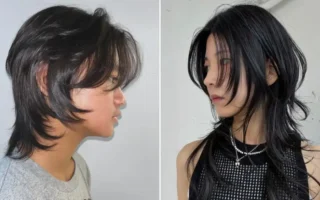
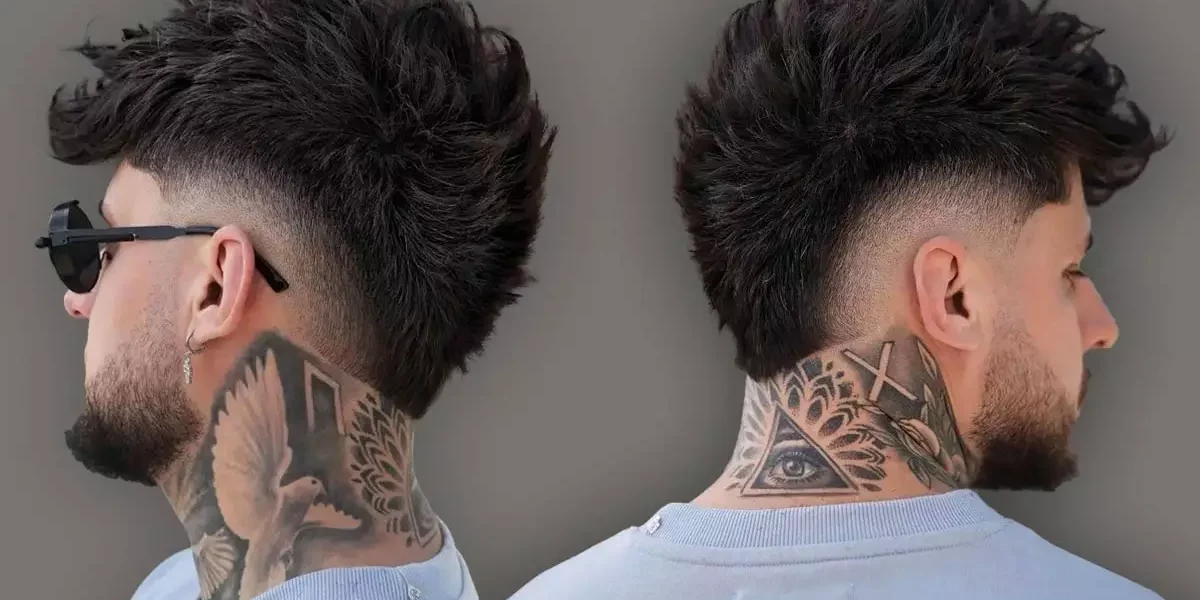
The mullet is back, and this time it means business. Searches for “burst fade mullet” have surged over 300% in the past two years, according to Google Trends data. This modern take blends a clean, sharp fade with the bold length of a mullet. Whether you have tight curls, pin-straight locks, or something in between, there is a burst fade mullet built for you. Below you will find 30 distinct variations worth bringing to your next barber appointment.
TLDR: What You Need to Know About the Burst Fade Mullet
A burst fade mullet combines a mullet (shorter sides and front with longer hair at the back) with a semicircular “burst” fade that arches behind the ears. The fade creates a sunburst-like shape that adds dimension and sharp contrast. This cut suits curly, straight, wavy, and thick hair types. It flatters round, oval, square, and heart-shaped faces. Maintenance requires a barber visit every 2 to 4 weeks. Styling products like sea salt spray, matte clay, and lightweight pomade keep the look fresh between visits. Bring reference photos to your barber for the best results.
What Is a Burst Fade Mullet?
A burst fade mullet merges two barbering techniques into one haircut. The mullet keeps hair shorter on top and sides while leaving noticeable length at the back. The burst fade creates a tight, semicircular fade that arches behind each ear in a sunburst or rainbow curve.
Unlike a traditional fade that wraps around the entire back of the head, the burst fade concentrates behind the ears and drops into the longer mullet section. This creates a bold transition from bare skin directly into flowing length.
30 Best Burst Fade Mullet Variations
1. Curly Hair Burst Fade Mullet
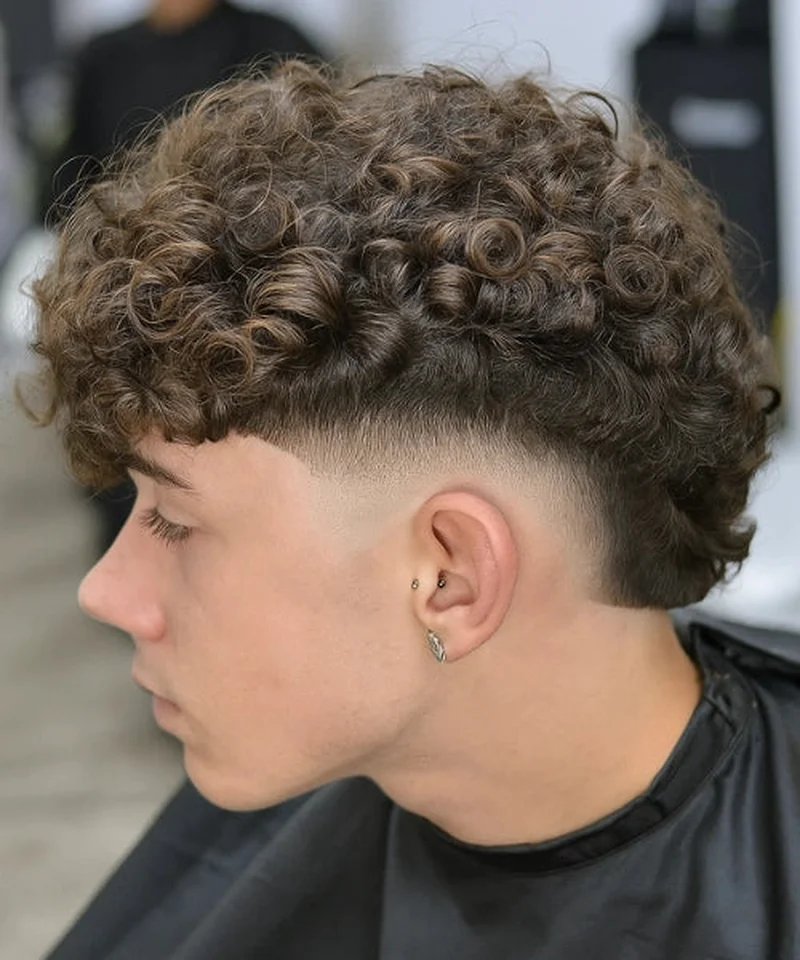
Natural curls bring serious texture and volume to the back section. The tight fade on the sides makes the curly tail stand out even more. This variation works best with medium to thick curls. Use a curl cream or leave-in conditioner to keep curls defined without frizz. A light sea salt spray enhances the natural texture.
2. Straight Hair Burst Fade Mullet
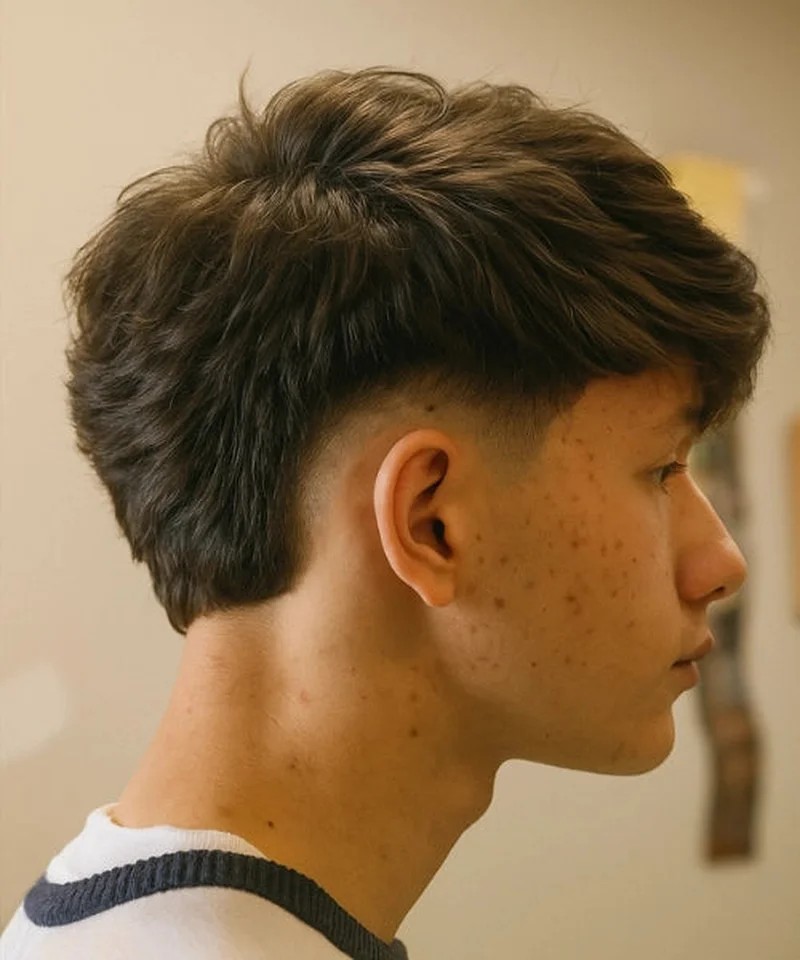
Straight hair creates a clean, sharp version of this cut. The contrast between the tight fade and the sleek back section looks polished. This style works especially well for men with thick, straight hair. A matte clay or pomade keeps the back section neat. Apply product to damp hair and air dry for the best finish.
3. Wavy Hair Burst Fade Mullet
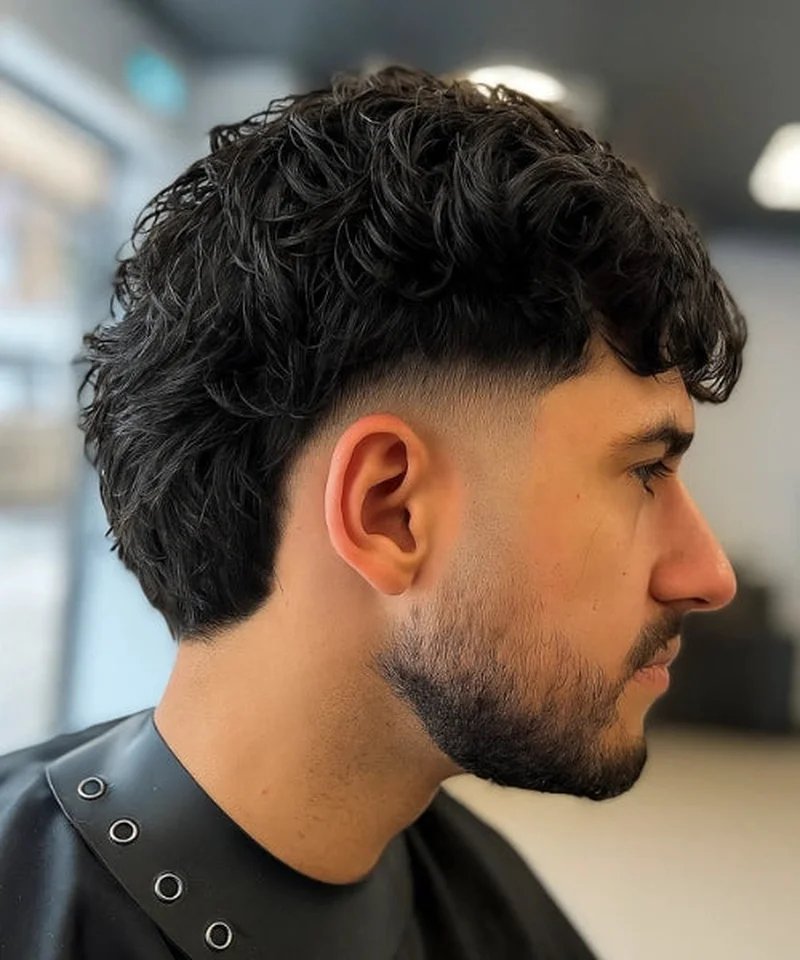
Wavy hair sits in the sweet spot between straight and curly, giving the burst fade mullet a natural, tousled look. The waves add movement and dimension to the back without requiring heavy styling. A sea salt spray applied to damp hair is often all you need. Let the hair air dry for the most natural result. This is one of the easiest variations to style on a daily basis.
4. Short Burst Fade Mullet
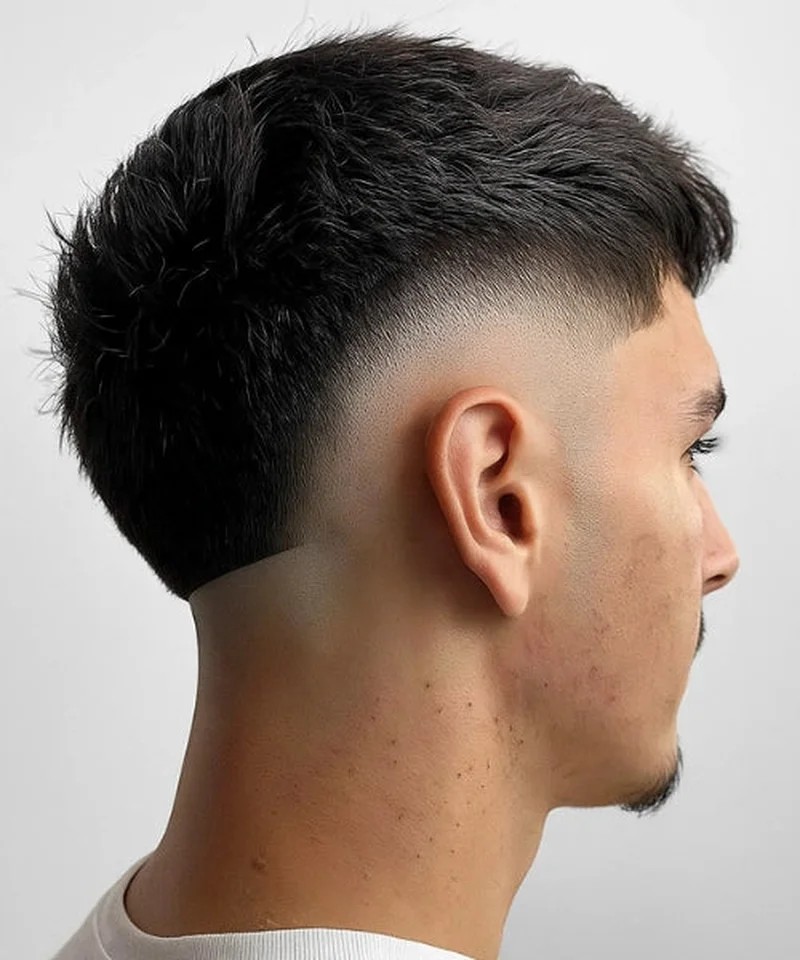
The short burst fade mullet keeps the back at a modest 2 to 3 inches. The fade still provides strong contrast, but the look stays understated. This variation is ideal for men new to the style. Styling takes under two minutes with a small amount of matte paste.
5. Long Burst Fade Mullet
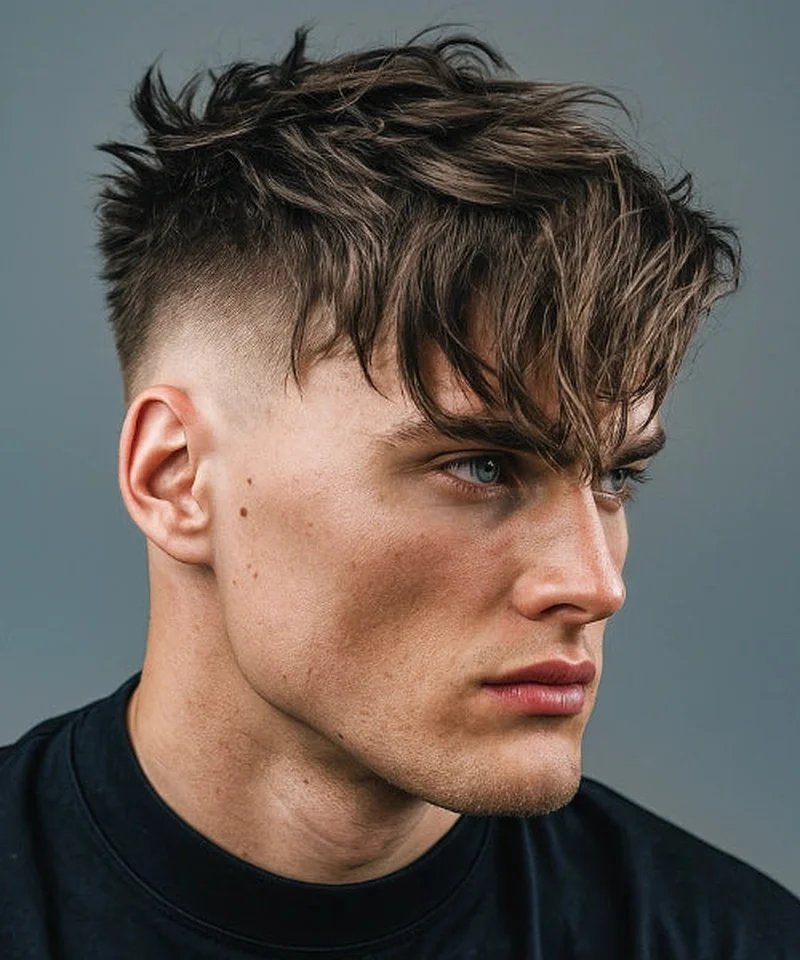
The long burst fade mullet pushes the back well past the collar for maximum impact. This bold variation delivers a striking silhouette that turns heads. A leave-in conditioner and regular trims every 4 to 6 weeks keep the ends healthy and split-free.
6. Thick Hair Burst Fade Mullet
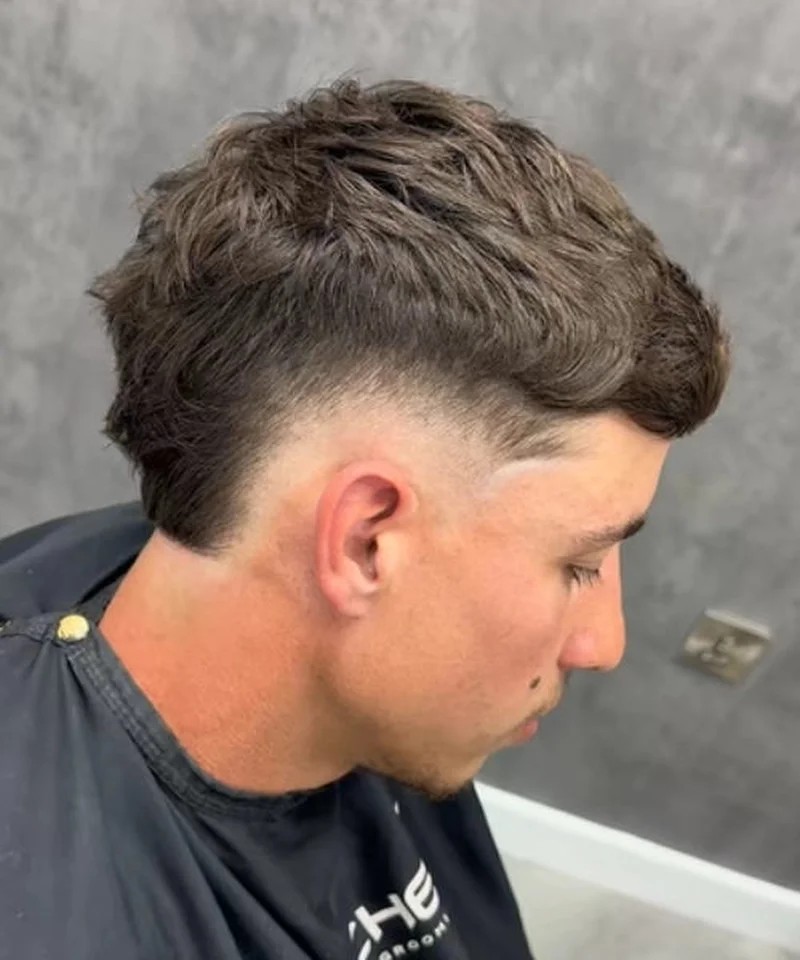
Thick hair gives the burst fade mullet a fuller, more voluminous appearance. The density adds natural body to the back while the fade prevents the sides from looking bulky. This variation benefits from debulking techniques that your barber can apply to the back. A lightweight styling cream prevents the hair from looking heavy.
7. Low Burst Fade Mullet
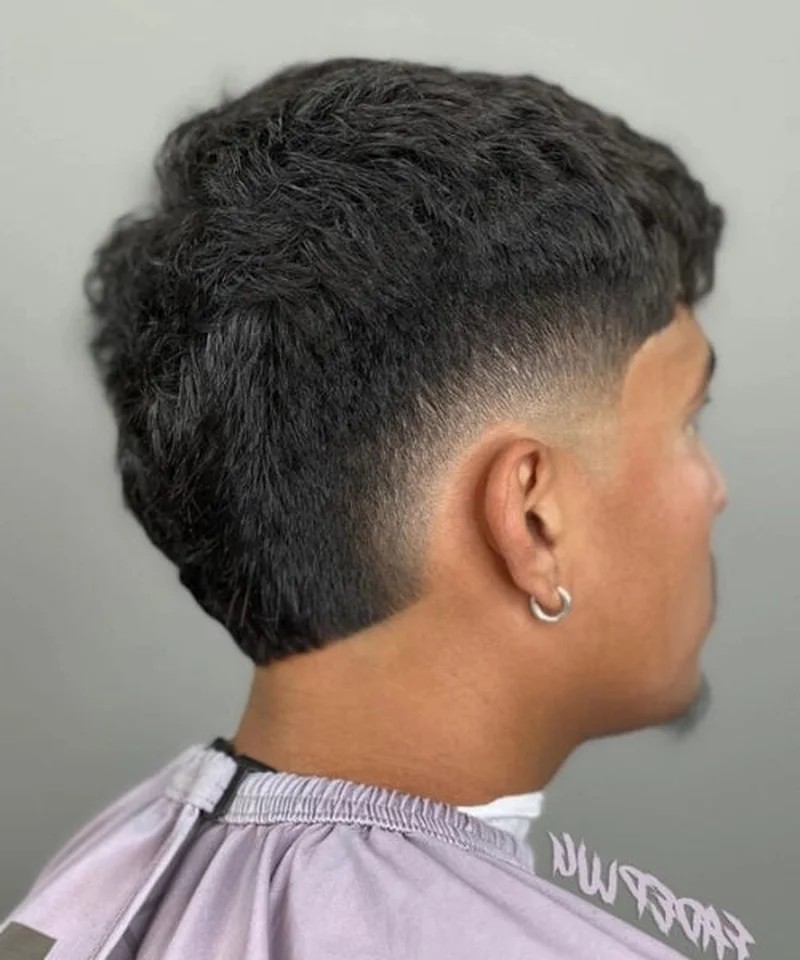
The low burst fade places the arch lower around the ear, leaving more hair on the sides before the fade begins. This subtler approach is the safest option for most face shapes and grows out the cleanest between barber visits. You can stretch trims to 3 to 4 weeks with a low burst fade. It suits men who want the mullet aesthetic without the aggressive contrast of a higher fade.
8. Mid Burst Fade Mullet
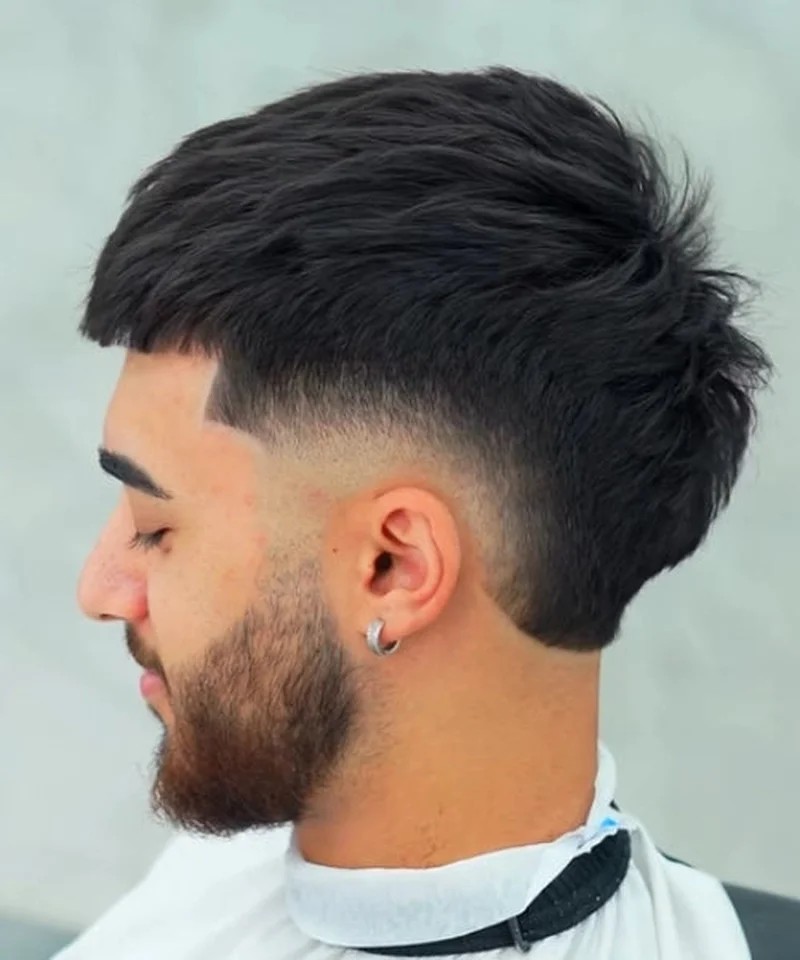
The mid burst fade sits between low and high placements, striking a balance between subtlety and boldness. The arch starts roughly at the middle of the ear. This placement works well for men who want the fade visible from the front without dominating the overall look.
9. High Burst Fade Mullet
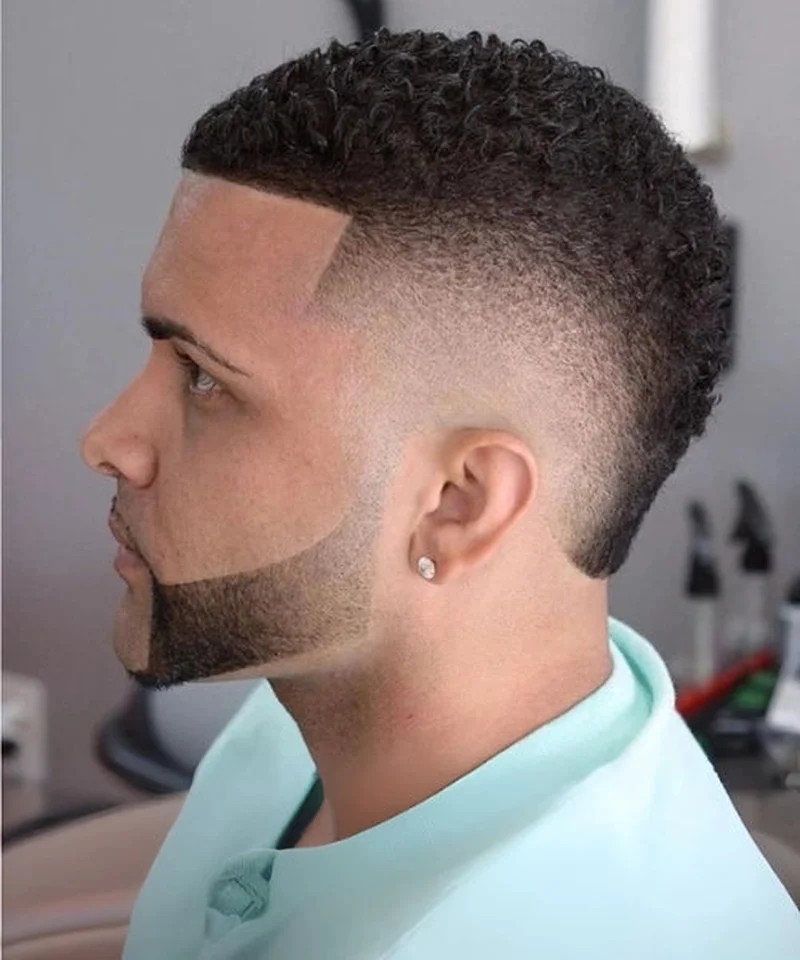
The high burst fade starts near the top of the ear and creates the most dramatic contrast of any placement. The large faded area makes the longer back section appear even more pronounced by comparison. This variation demands confidence and regular maintenance. You will need barber visits every 1 to 2 weeks to keep the high fade looking sharp and clean.
10. Skin Fade Burst Fade Mullet
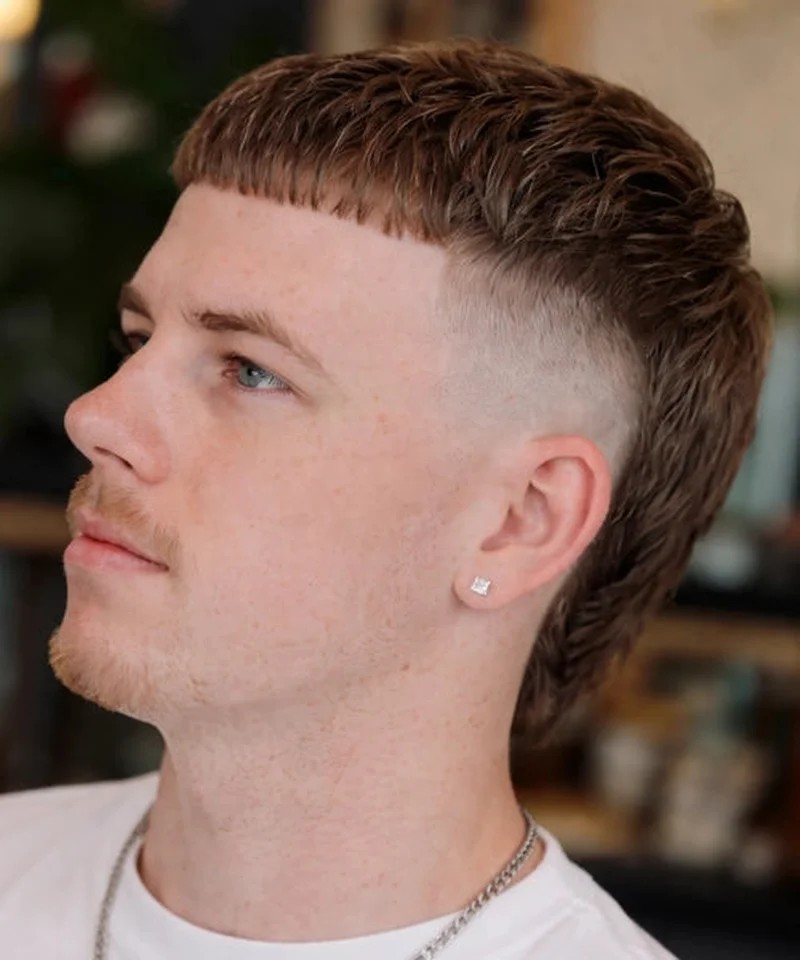
A skin fade takes the burst section all the way down to bare skin for maximum contrast. The transition from zero guard directly into the longer back section creates the sharpest possible definition. This version requires more frequent barber visits but delivers the most striking visual impact. Pair it with a clean lineup around the hairline for a polished, finished look.
11. Taper Fade Mullet
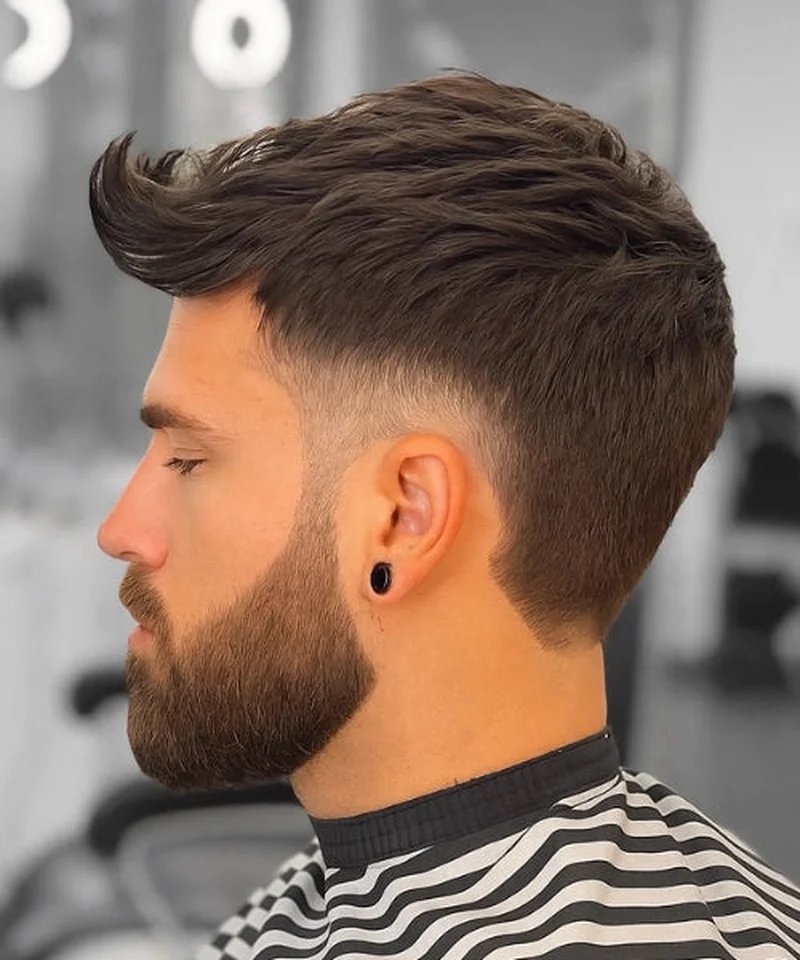
The taper fade mullet combines the classic mullet shape with a neatly tapered fade on the sides. Unlike a full skin fade, the taper leaves a gradual gradient of hair length rather than going down to the skin. This creates a softer contrast that still looks clean. The taper fade mullet works well with straight to wavy hair.
12. Burst Fade Mullet With a Design
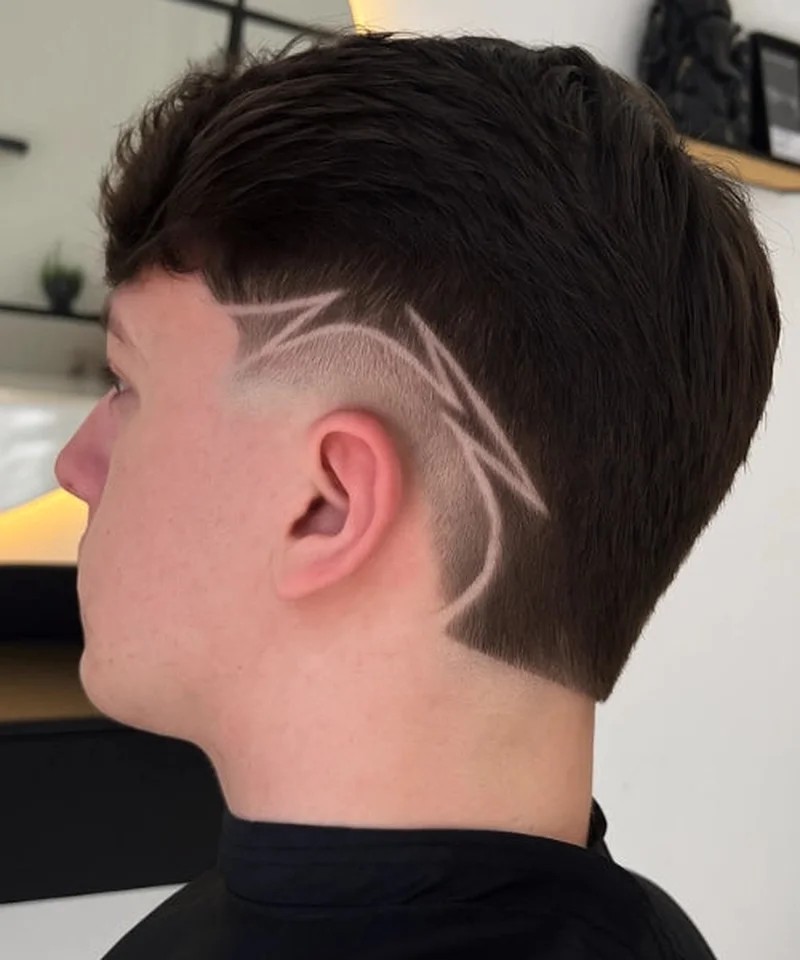
Add personality with shaved line art in the faded section. Geometric patterns or simple straight lines carved into the burst area make the style uniquely yours. This pairs well with all hair types but looks especially sharp on thick, straight hair. Keep the design simple for a cleaner grow-out phase.
13. Textured Fringe Burst Fade Mullet
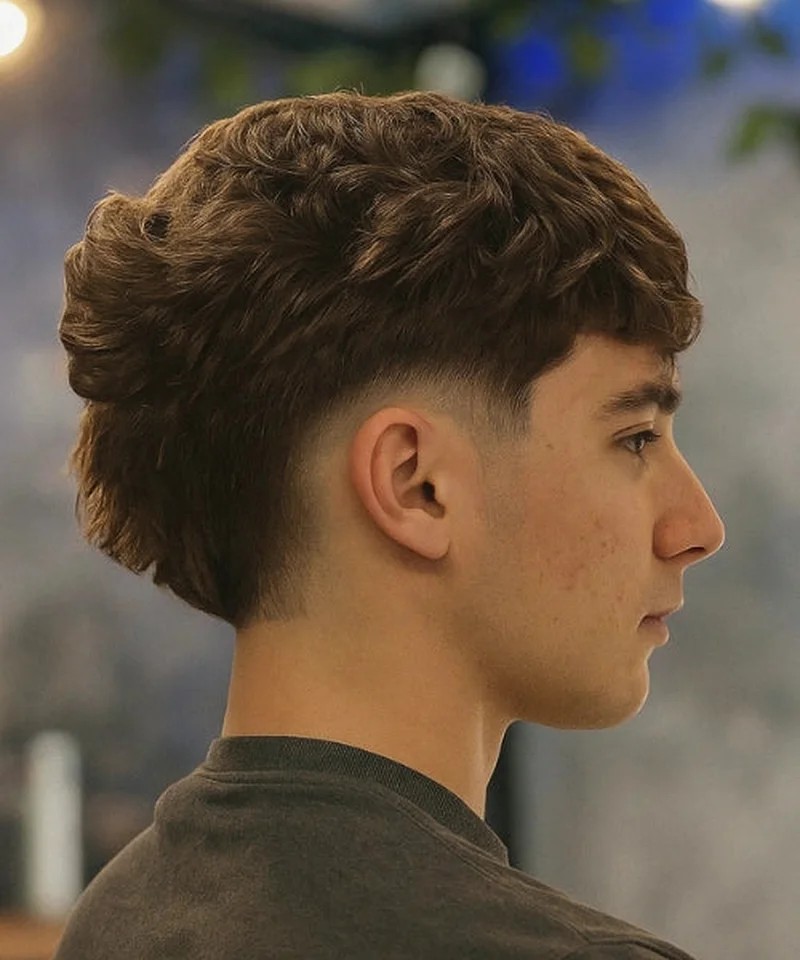
This variation adds a choppy, piece-y fringe to the front while keeping classic mullet length at the back. The textured fringe draws attention to the face and creates a modern feel. A styling powder adds volume and grip to the fringe without weighing it down.
14. V-Cut Back Burst Fade Mullet
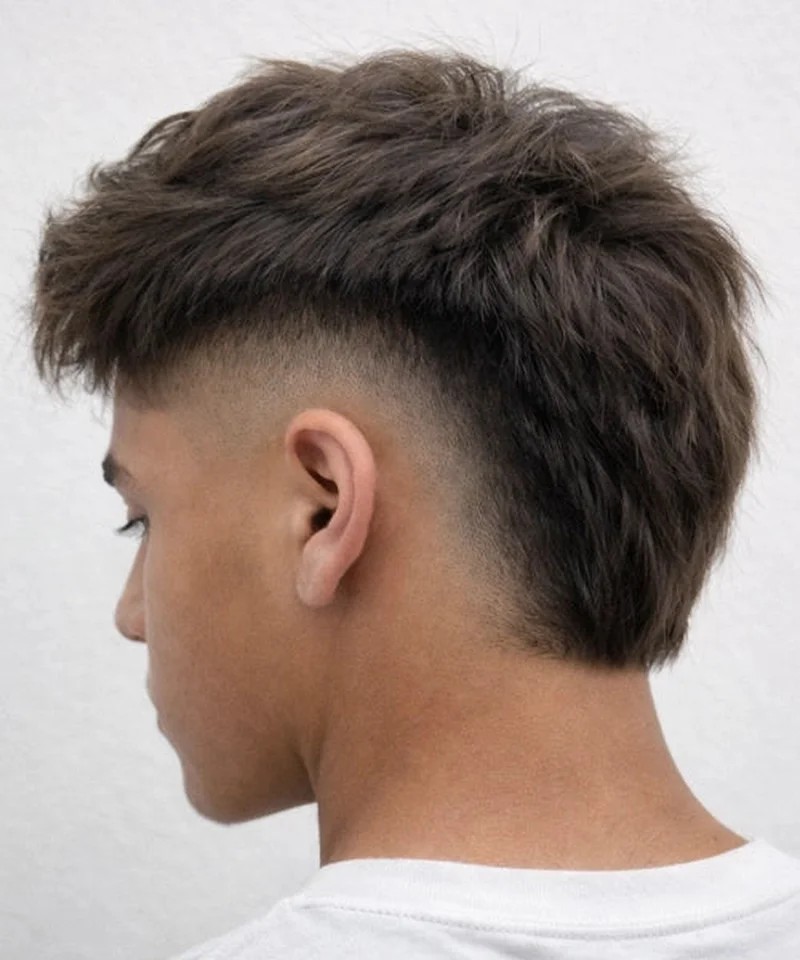
The V-cut shapes the back section into a V or U formation, giving the mullet a more structured and intentional appearance. The tapered ends remove bulk and create a cleaner silhouette. This detail works best on longer mullets where the back section reaches past the collar. Ask your barber to point-cut the ends for a soft, blended finish rather than a blunt line.
15. Edgar Mullet (Mexican Mullet)
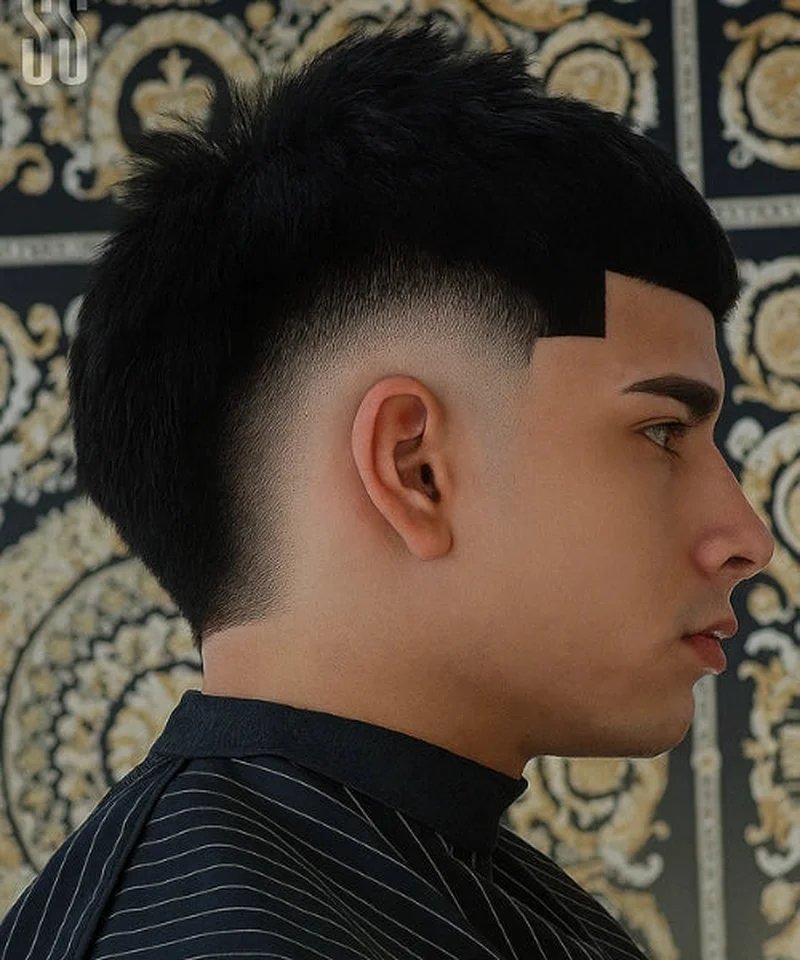
The Edgar mullet features a straight blunt cut across the front at or above the forehead. The back keeps its classic mullet length, and the burst fade ties everything together. This variation has deep roots in Latino barbershop culture and has gained mainstream popularity through social media.
16. Wolf Cut Burst Fade Mullet
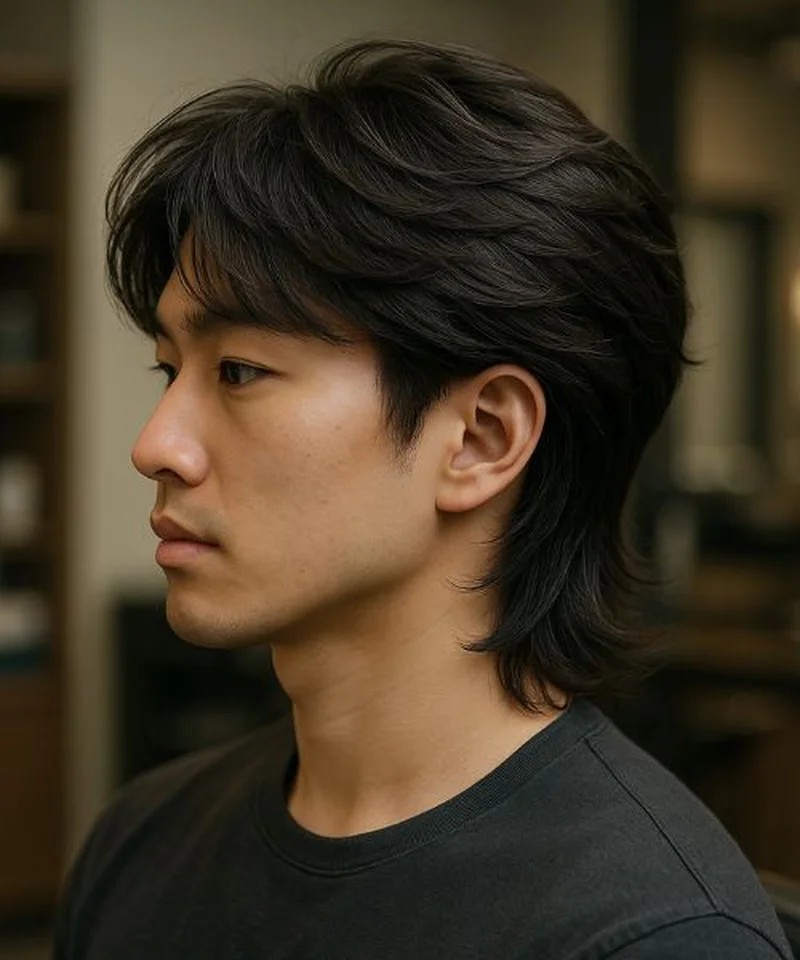
The wolf cut mullet mixes shaggy layers with a tapered mullet shape. This modern style features a fuller crown with soft layers and a clean drop behind the ears. The result is a wild, untamed look that still feels intentional. A texturizing spray enhances the natural movement of the layers.
17. Mohawk Mullet
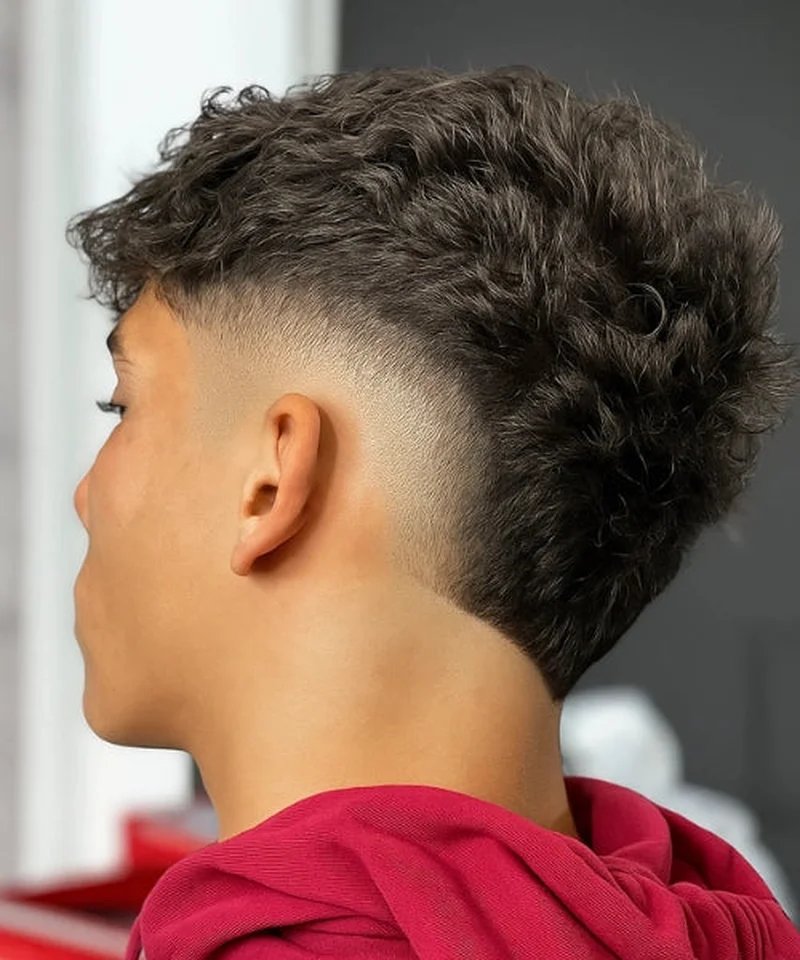
The mohawk mullet keeps the sides tightly faded while the top spikes up and flows into a longer back section. This bold hairstyle delivers sharp contrast and standout volume. A strong-hold gel or wax keeps the spiked top in place. The burst fade amplifies the mohawk effect by maximizing the height difference.
18. Faux Hawk Mullet
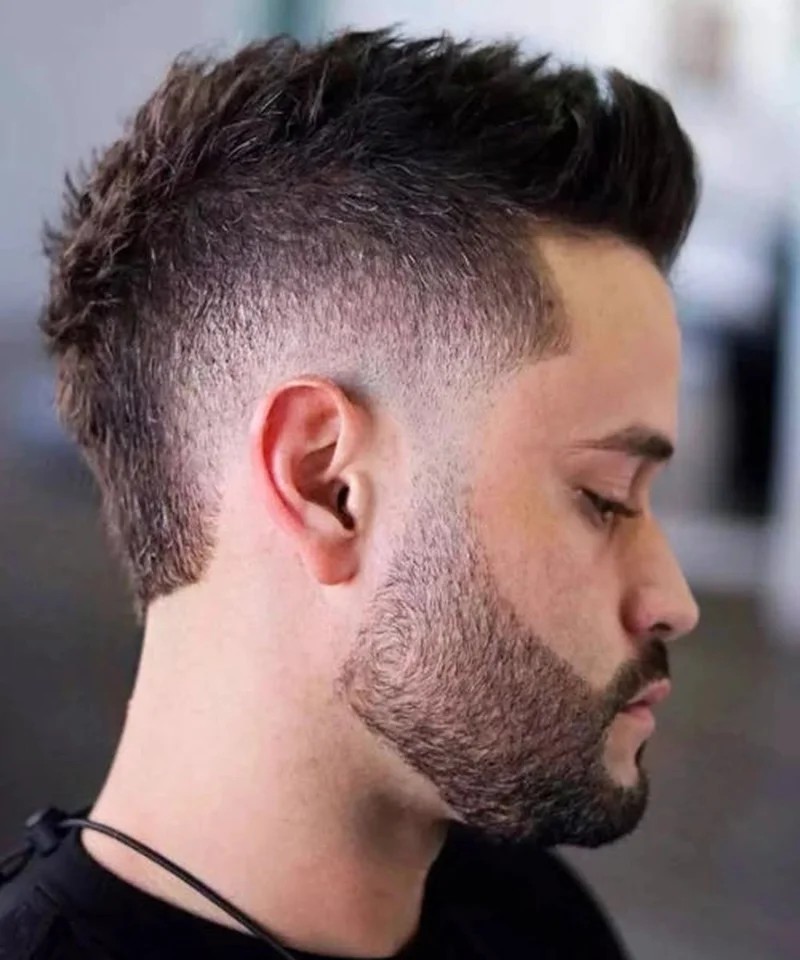
The faux hawk mullet mixes a spiky raised top with a longer back. Unlike a true mohawk, the faux hawk keeps the top narrower and less extreme. Faded sides make the raised center section stand out. The back stays longer like a classic mullet. This variation delivers plenty of attitude with less intensity than a full mohawk.
19. Shaggy Burst Fade Mullet
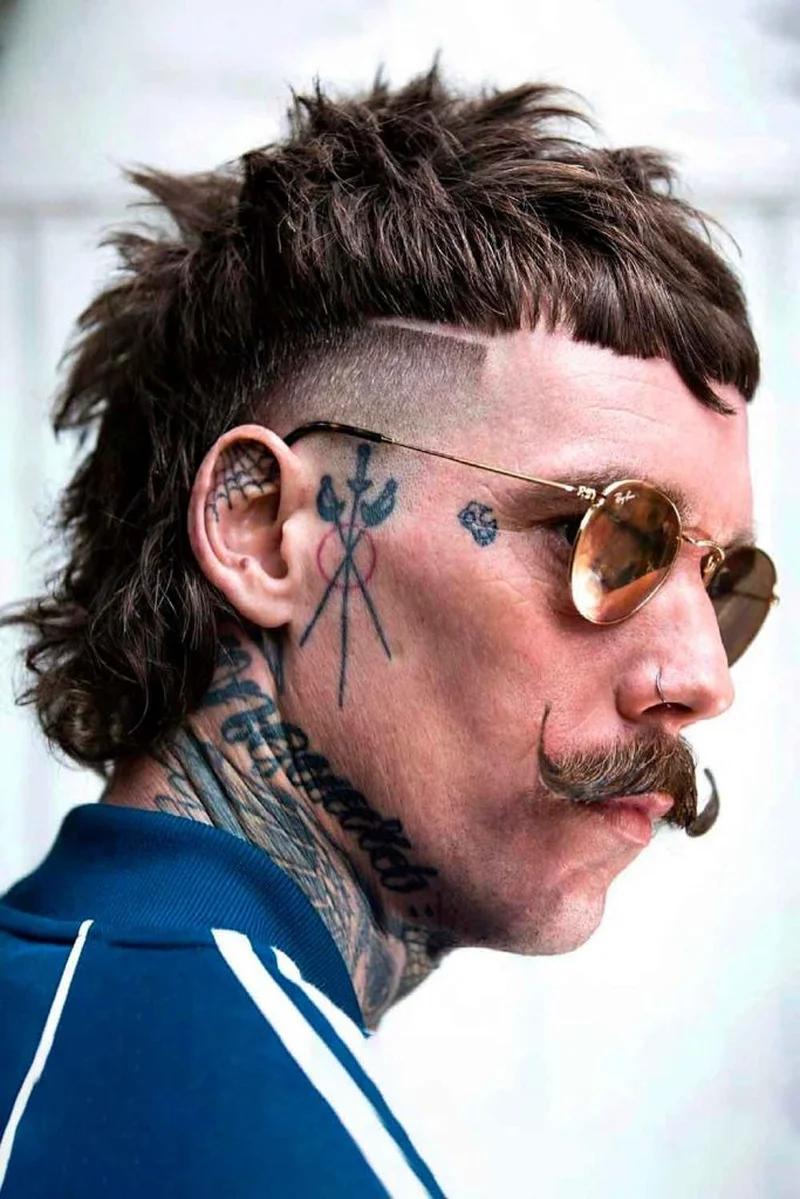
The shaggy mullet keeps the top loose and heavily textured while the longer back flows with natural volume. Messy layers give this cut a relaxed, effortless vibe. The burst fade on the sides prevents the overall look from becoming too unkempt. A sea salt spray and a quick finger-comb is all the styling you need.
20. Blowout Burst Fade Mullet
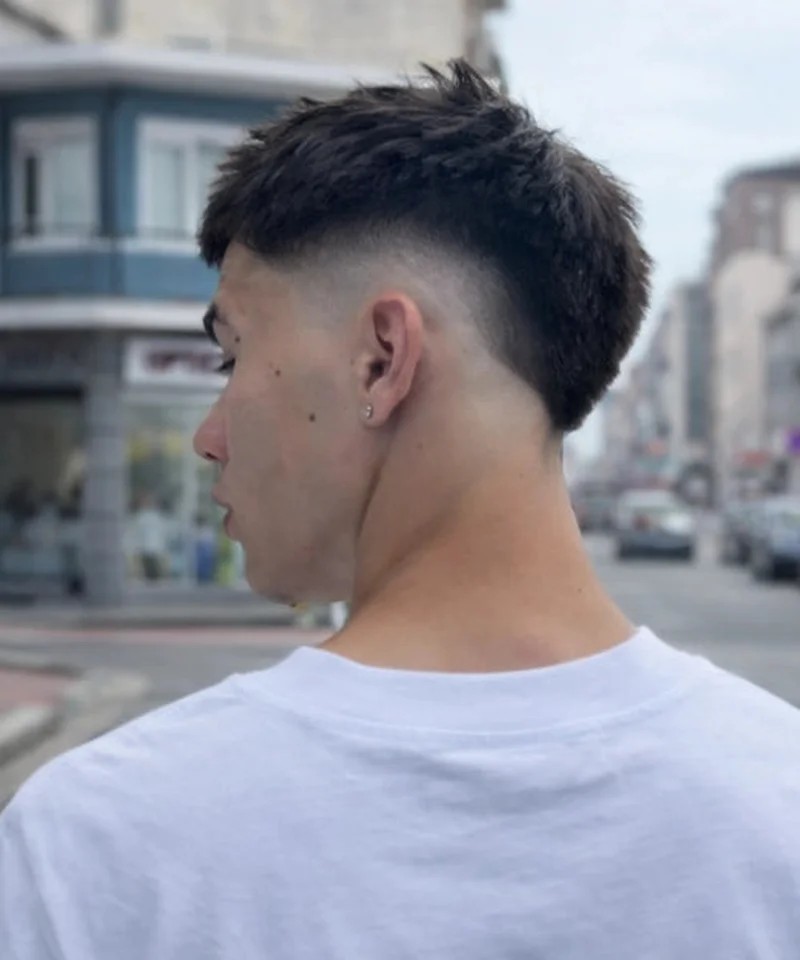
The blowout mullet uses a blow dryer to create voluminous, swept-back movement on top and through the back. The sides stay tight with a clean burst fade. This style adds serious height and body, ideal for men with flat or fine hair. A heat protectant spray is essential before blow drying. Finish with a light-hold pomade for control.
21. Curtain Mullet
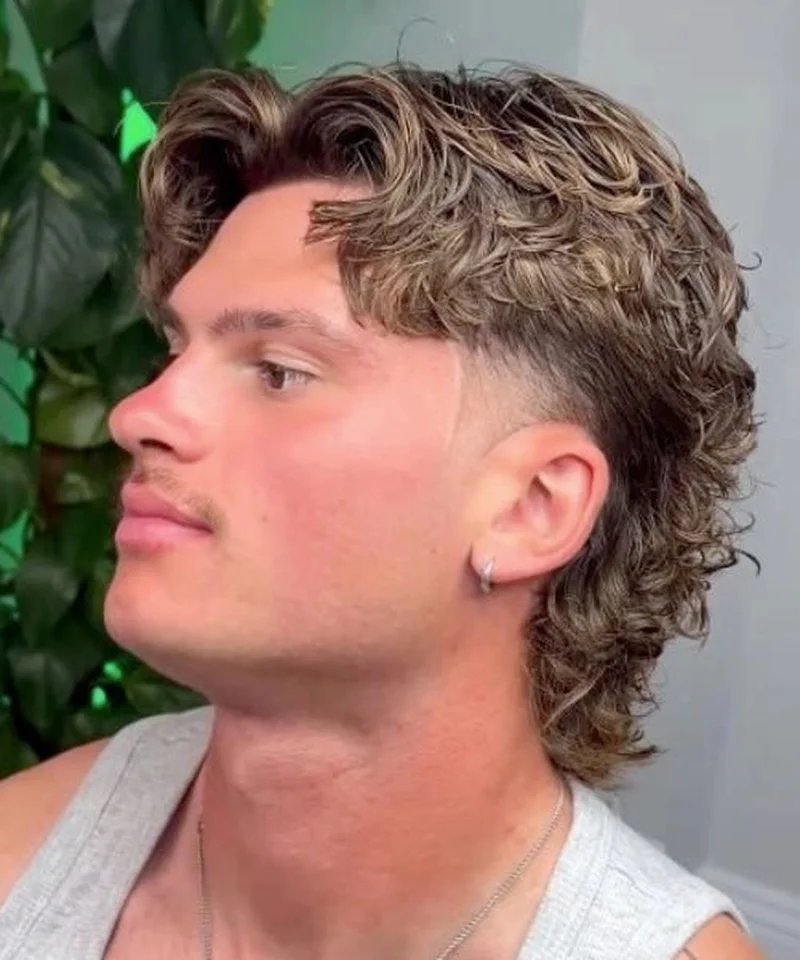
The curtain mullet brings soft front curtains and a longer, flowing back. The top stays full with loose waves that part naturally down the middle, while the sides taper neatly. This style gained popularity through 90s fashion revivals and works best with straight to wavy hair. A lightweight styling cream keeps the curtains soft.
22. Permed Mullet
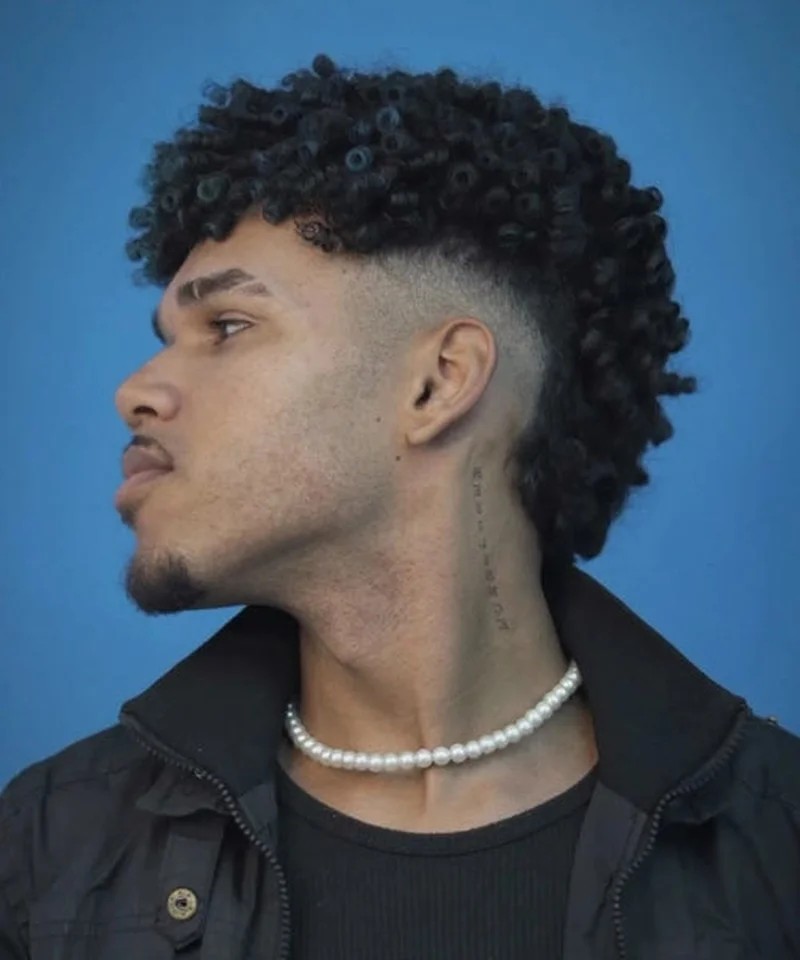
The permed mullet gives your look major volume with tight, defined curls throughout. A chemical perm creates consistent curl patterns paired with clean faded sides for sharp contrast. This variation is ideal for men with straight or thin hair who want added body. Regular conditioning treatments keep permed hair healthy.
23. Comb-Over Burst Fade Mullet
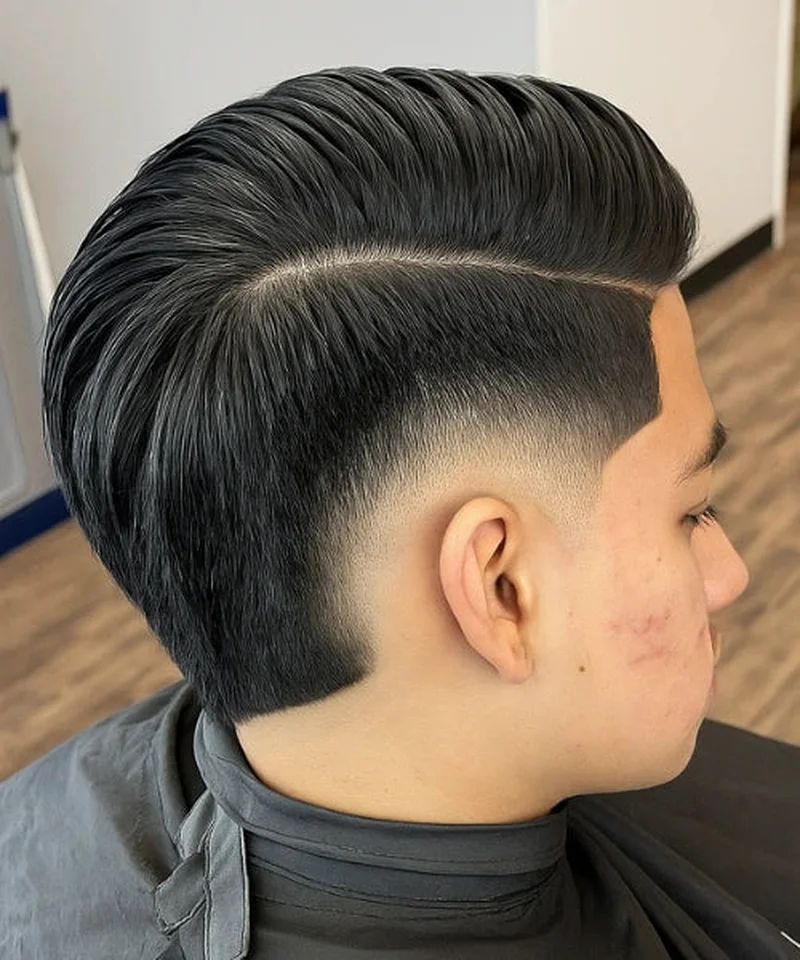
The comb-over mullet features a clean side part at the front with a longer, flowing back. The structured top contrasts with the untamed back section. A strong-hold pomade defines the comb-over. The back stays natural with a leave-in conditioner. This variation suits oval and square face shapes particularly well.
24. Side Part Burst Fade Mullet
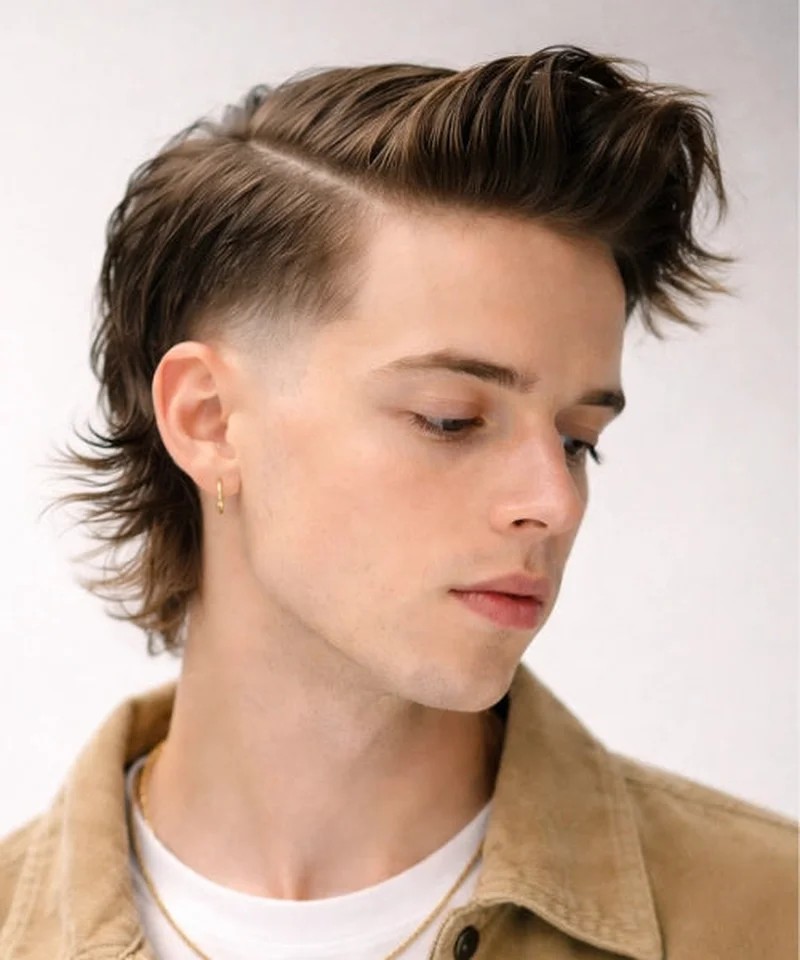
The side part mullet brings a clean side part up front with longer layers flowing through the back. The sides stay softly tapered while the top holds light volume. This creates a refined take on the classic mullet silhouette. A medium-hold product keeps the part in place without stiffness.
25. Spiky Mullet
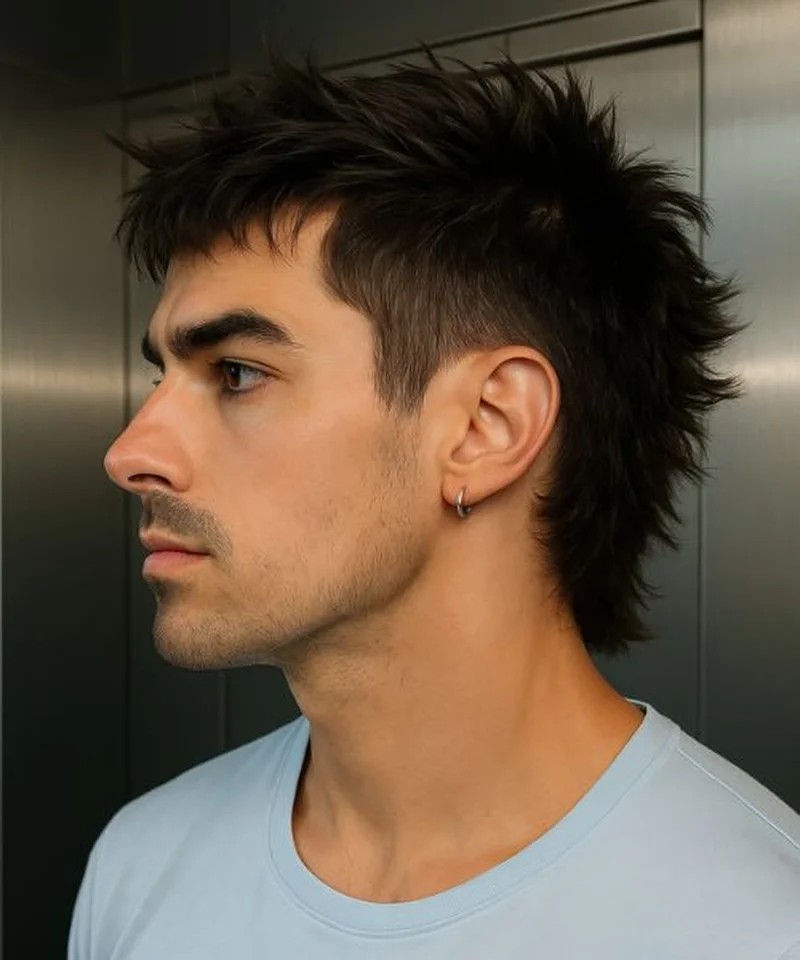
The spiky mullet features faded sides and a lifted crown for a confident, edgy appearance. Short to medium spikes on top create visual interest while the longer back adds signature mullet flow. A high-hold gel or wax maintains the spikes. Work the product through dry hair and pull sections upward.
26. Brush Up Burst Fade Mullet
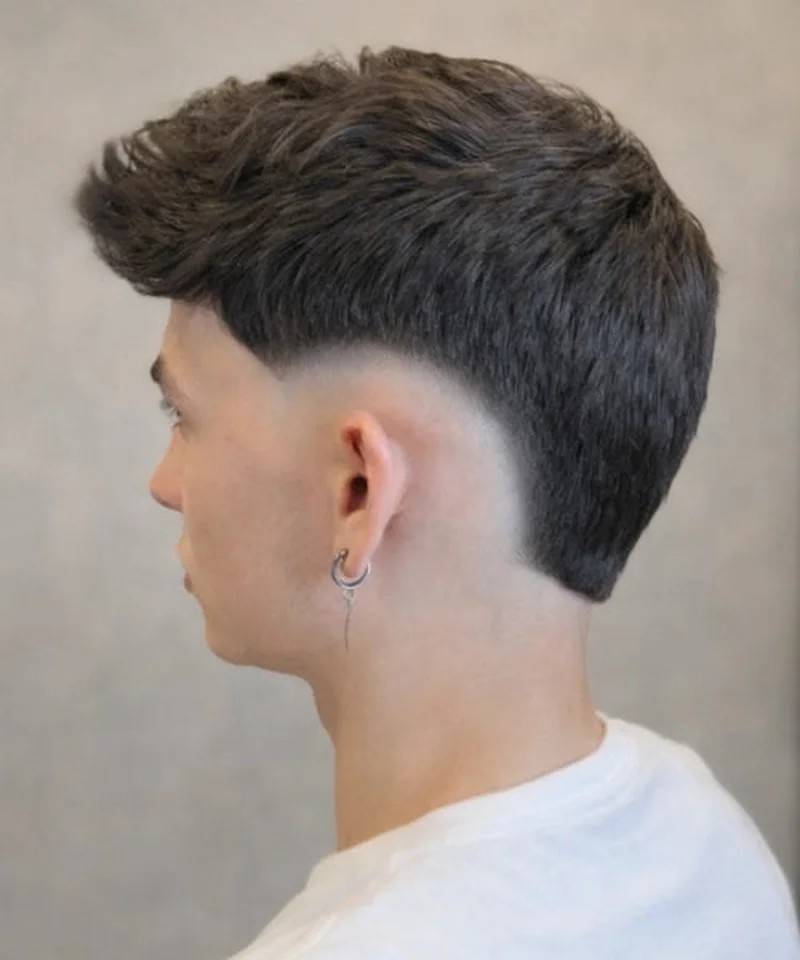
The brush up mullet sweeps the front hair upward and back, creating a swept look that flows naturally into the longer back section. This variation adds height at the front without the extreme spikes of a mohawk. A medium-hold styling cream or matte paste provides enough grip to hold the brushed-up shape. The burst fade on the sides keeps the overall silhouette clean and balanced.
27. Bleached Burst Fade Mullet
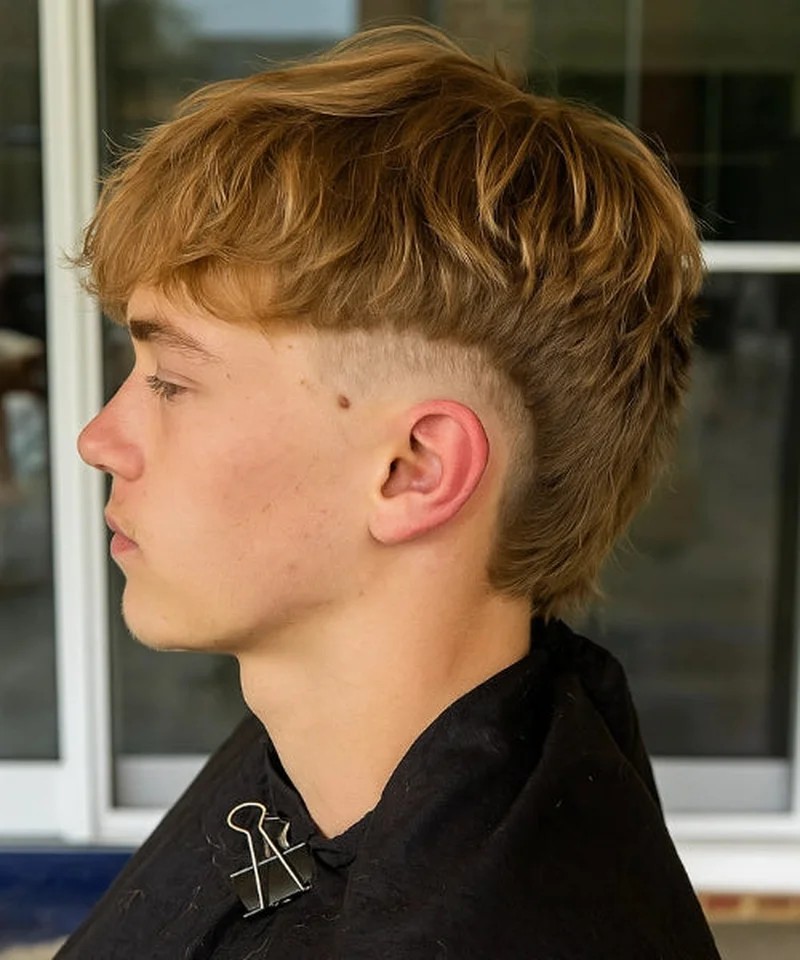
A bleached or blonde burst fade mullet adds color for a look that demands attention. Whether you go fully platinum or add blonde highlights, the color draws focus to the texture of the back section. Bleaching requires root touch-ups every 4 to 6 weeks and a purple shampoo to prevent brassy tones.
28. Burst Fade Mullet With Clean Line Up
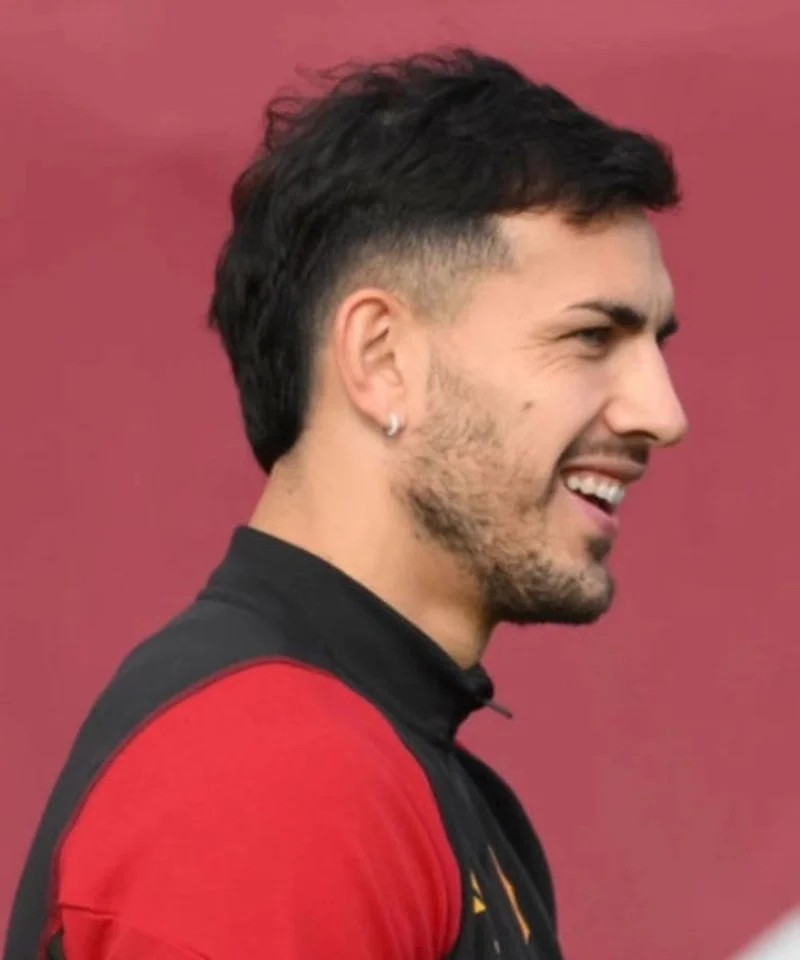
Pairing a burst fade mullet with a sharp lineup around the temples and hairline elevates the entire haircut. The crisp edges contrast with the flowing back section for a polished finish. Your barber uses a straight razor to create lines that frame the face. This detail works across all mullet lengths.
29. Cropped Top Burst Fade Mullet
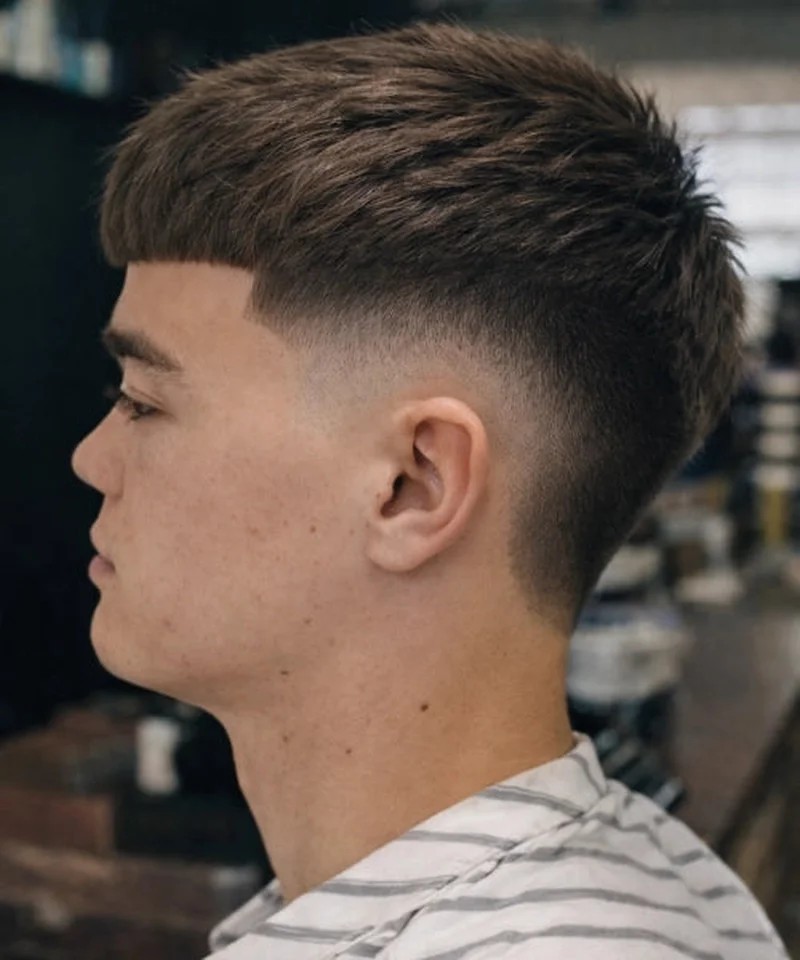
The cropped top mullet keeps the front and top very short while allowing the back to grow out. This creates a subtle mullet effect that is easy to maintain. The short top requires minimal product and dries quickly. This variation is ideal for men easing into the mullet trend gradually.
30. Temple Fade Burst Fade Mullet
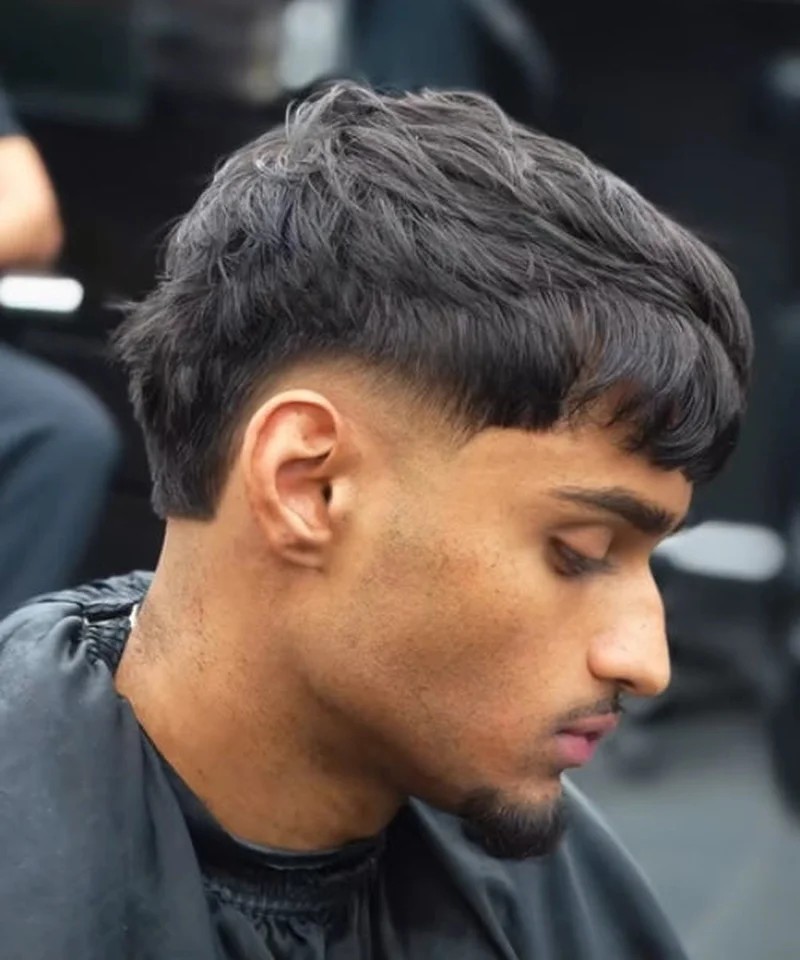
The temple fade focuses the burst effect around the temple area, creating a tight fade that frames the face. The rest of the sides maintain slightly more length before blending into the longer back. This placement works especially well for men with strong jawlines. A mid or high temple fade creates the most noticeable effect.
How to Ask Your Barber for a Burst Fade Mullet
Follow these steps for the best result every time.
- Bring reference photos. Show your barber the exact style you want from multiple angles. Professional barbers consistently recommend photos as the single most effective tool for getting the cut you envision.
- Specify the fade type. Tell your barber whether you want a skin fade (down to bare skin), a shadow fade (leaving a faint silhouette), or a taper fade (a softer blend). Each creates a different level of contrast with the longer back section.
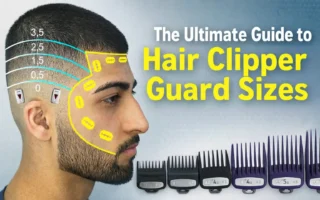
- Discuss clipper guard lengths. A typical burst fade starts with a zero or half guard closest to the ear and blends upward. Your barber will use scissor-over-comb or guard-on-guard techniques to create the smooth arch behind the ear.
- Define the length. Be clear about how much length you want on top and at the back. Mention whether you prefer a blunt cut, textured ends, or a V-shape at the nape. The more specific you are, the closer the result will match your expectation.
How to Style and Maintain Your Burst Fade Mullet
The right products keep this haircut looking sharp long after you leave the barbershop.
- Sea salt spray is the top recommendation from barbers for adding texture and natural movement. Spray it into damp hair and let it air dry. It works across all hair types but is especially effective on wavy and curly textures.
- Matte clay or paste provides strong hold with a non-shiny finish. It keeps the back section controlled and adds definition to textured fringes. Warm a small amount between your palms before working it through the hair.
- Styling powder adds volume and grip at the roots without visible product buildup. It is ideal for men with fine or thinning hair who want extra lift.
- Curl cream or leave-in conditioner is essential for curly and permed variations. It keeps curls defined and frizz-free without the stiffness of gels or heavy pomades.
- Maintenance schedule: Visit your barber every 2 to 4 weeks. Skin fades need touch-ups every 1 to 2 weeks. Low and mid fades can go 3 to 4 weeks between visits. Ask for the shortest possible starting guard if you want to stretch time between appointments.
Frequently Asked Questions
Do burst fades look good on round faces?
Yes. The burst fade mullet is especially flattering on round faces. The tight sides remove bulk from the widest part of the face, while the longer back section draws the eye downward. A higher fade placement creates the most noticeable slimming effect.
How long does it take to grow out a mullet?
Growing a mullet from a shorter haircut takes 3 to 6 months to reach noticeable length at the back. Barbers recommend monthly trims during the grow-out phase to shape the emerging mullet and prevent an awkward transition. Start by keeping your current fade and letting the back section grow while your barber maintains clean edges.
What is the difference between a drop fade and a burst fade?
A drop fade follows the natural hairline down the sides and back of the head, creating a gradual taper that drops behind the ears. A burst fade creates a distinct semicircular arch behind each ear and then stops, leaving the back section longer. The burst fade covers less surface area and creates a more dramatic, localized contrast compared to the broader blending of a drop fade.
Can I get a burst fade mullet with thinning hair?
Yes, if styled correctly. The shorter faded sides reduce the appearance of thinness. Styling powder or volumizing mousse adds lift at the roots. Keep the back section shorter (2 to 3 inches) and opt for a textured cut with choppy ends. Permed variations can also add the illusion of fullness for men with thinner hair textures.
Is a burst fade mullet professional enough for work?
A low burst fade mullet with modest back length is subtle enough for most casual to semi-formal environments. Cropped top and taper fade variations are the most workplace-friendly options. A low or mid burst fade with a short back section offers the mullet silhouette without crossing professional boundaries.