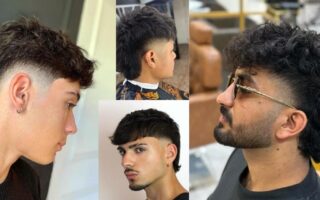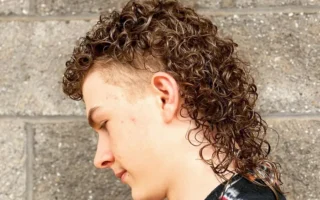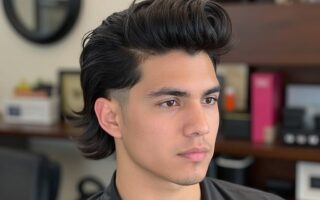
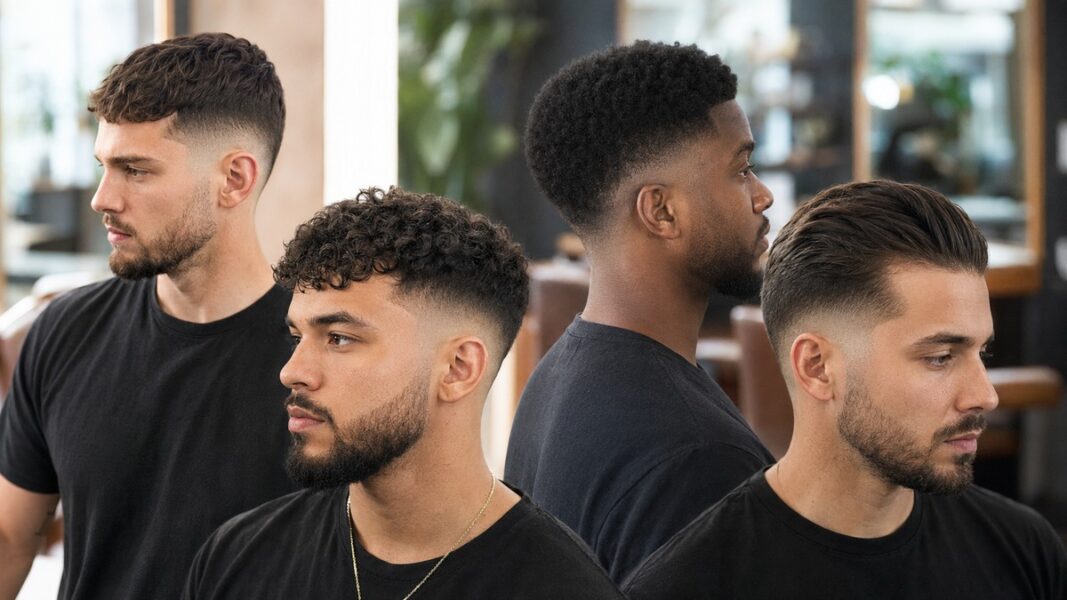
The drop fade is a staple for a reason. Instead of cutting a straight, level line around the head, the blend literally drops down behind the ears, following the natural curve of your skull. It creates a rounded, arc-like finish that just looks more natural than a standard low, mid, or high fade.
You can pair this cut with almost anything up top—a textured fringe, a French crop, an Afro, a mullet, or even a slick back. Where you place the fade completely changes the vibe.
As barber Aaron Chan puts it, “The higher you move the fade, the more contrast you create.”
We’ve rounded up 37 different drop fade ideas to show you how versatile this cut really is. Whether you need something office-appropriate or want a sharp skin fade, there’s an option here for your hair type.
Wahl describes the mid fade as the middle ground between a subtle low fade and a dramatic high fade. Barber Joey Scandizzo notes that a mid fade “creates enough definition without becoming the focus of the haircut.” It’s a safe bet if you don’t want the sides to steal the show.
The 37 Best Drop Fade Haircut Ideas
1. The Classic Drop Fade
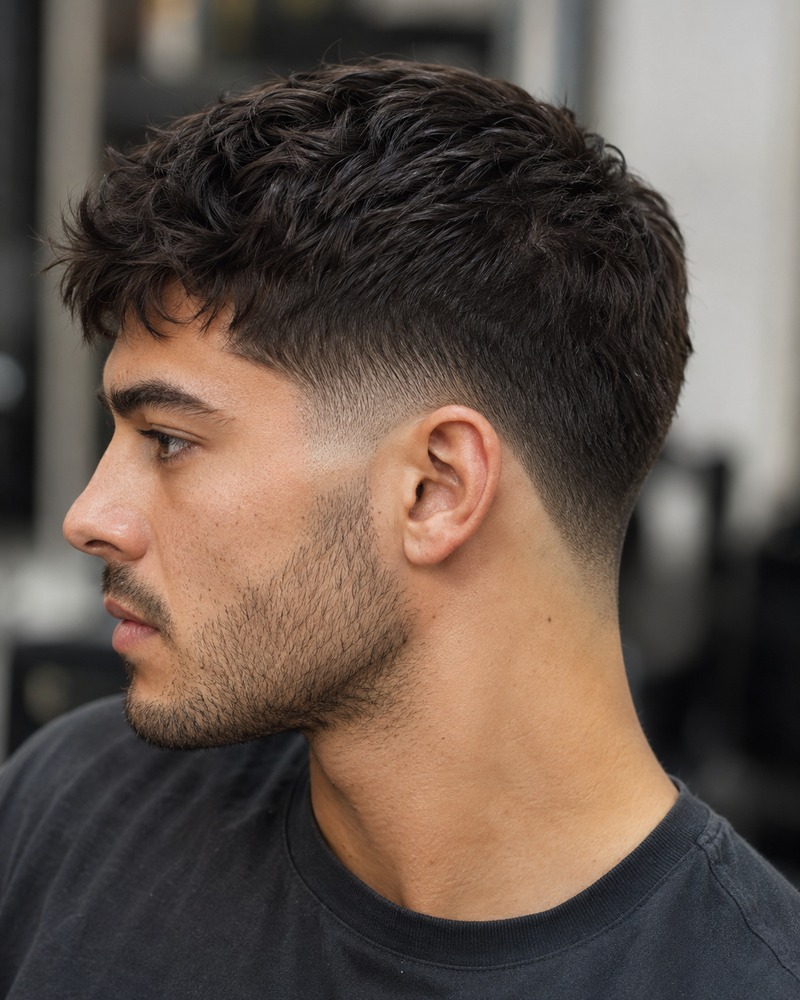
The classic drop fade starts around the temples, arcs down behind the ears, and blends into the neckline. The top stays short, but leaves enough length for your barber to build a smooth transition.
This is a solid choice if you want something distinct but don’t want to commit to a skin fade. Ask for a soft drop shape and a natural neckline to keep it low-key.
For styling, a small dab of American Crew Fiber works best. It gives you strong hold and low shine, which is exactly what you need for short, controlled hair.
2. The Low Drop Fade
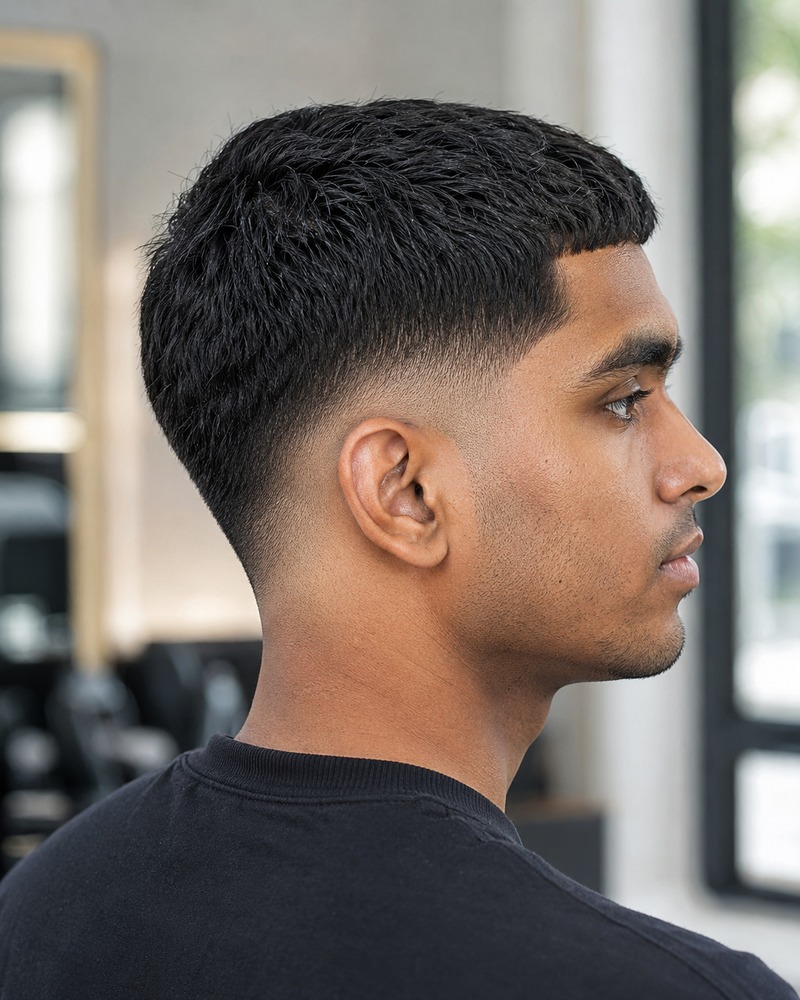
A low drop fade hugs the bottom curve of your head, starting close to the ears. Because it stays so low, it keeps a lot of weight on the sides, so your head doesn’t look overly exposed.
This is the move for office settings or if it’s your first time getting a fade. It also preserves width at the temples, which helps balance out a long or narrow face.
Tell your barber to keep the blend low and leave a visible darker section between the fade and the top.
3. The Mid Drop Fade
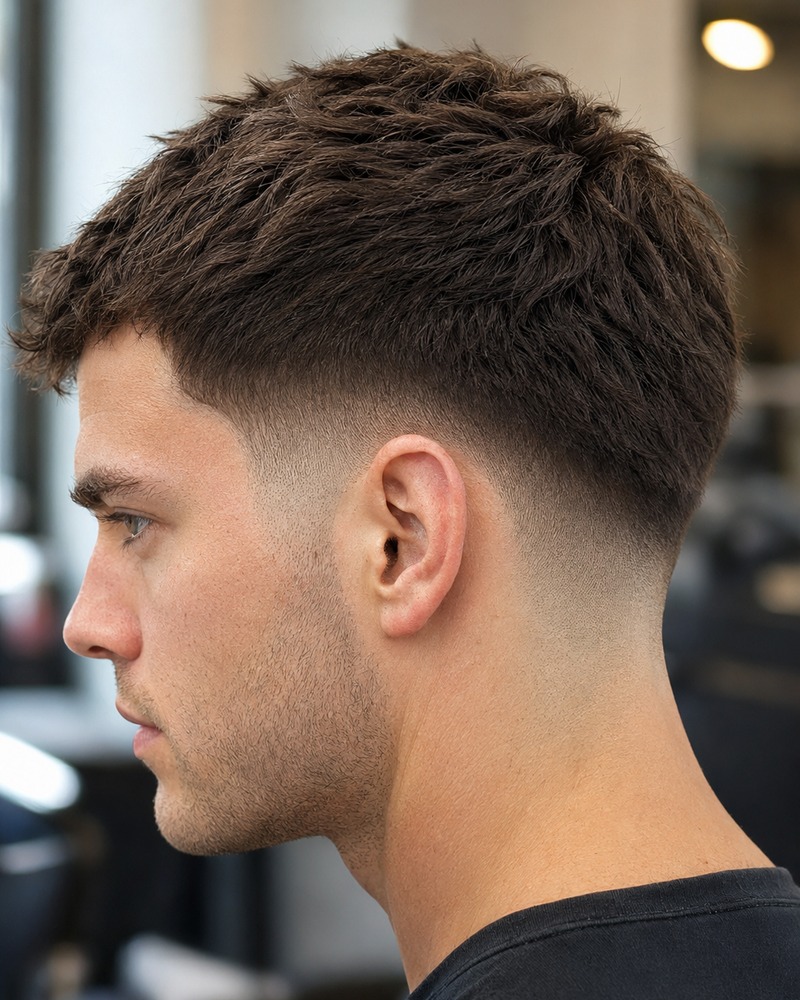
The mid drop fade kicks off at temple level before dropping behind the ear. You get the contrast of a high fade without losing all your hair on the sides.
It pairs well with a textured crop, short curls, a quiff, or a side part. If you aren’t sure what height fits your head shape, start here.
Apply Reuzel Fiber Pomade to dry hair for a reworkable hold (it rates an 8/10 for hold and 3/10 for shine). It keeps the texture without turning it into a helmet.
4. The High Drop Fade
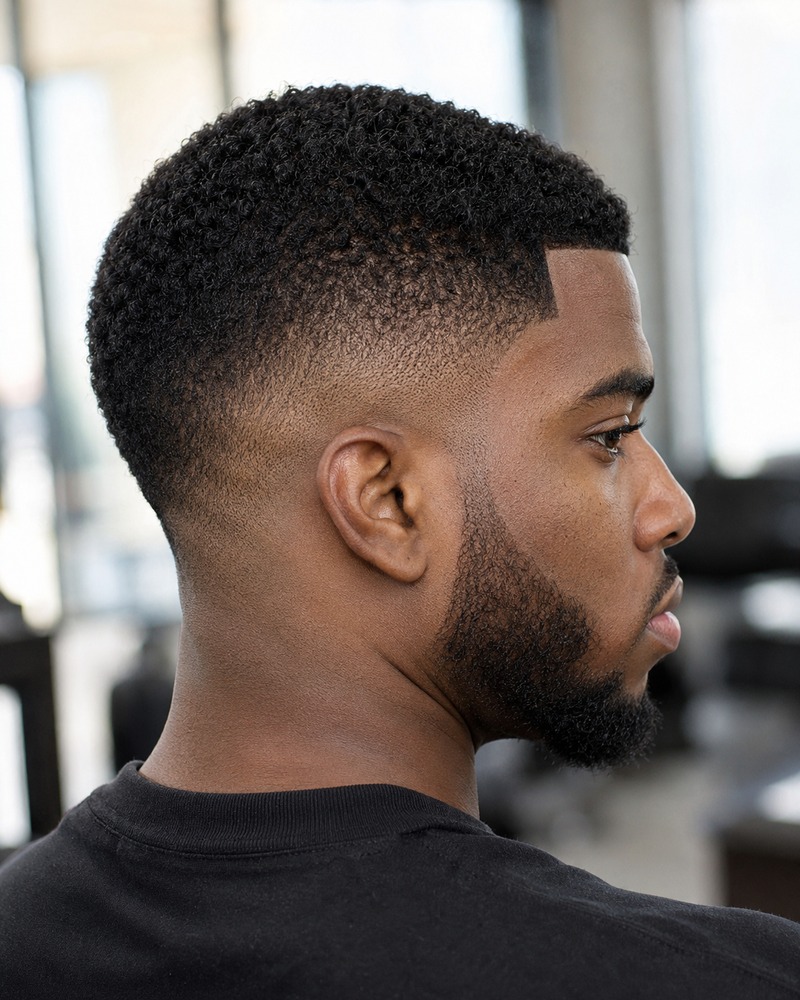
A high drop fade starts above the temples and creates a stark contrast between the top and sides. The curved back stops it from looking boxy like a traditional high fade.
It’s great for short, structured styles and can make a round face look longer. Because it exposes a lot of your scalp, ask your barber to check for bumps or uneven growth before going this high.
Lock the top in place with Layrite Cement Clay for a clean, matte finish.
5. The Drop Skin Fade

The drop skin fade takes the lower section down to bare skin before blending into the longer hair above. It gives you the sharpest gradient possible, making that curved drop shape pop from any angle.
It looks best with defined crops, line-ups, and thicker hair on top. Just remember that skin fades grow back fast. Barber Herson Rodriguez points out that the bald section can show stubble after just a week.
Only get this one if you don’t mind visiting the barber for frequent clean-ups.
6. The Bald Drop Fade
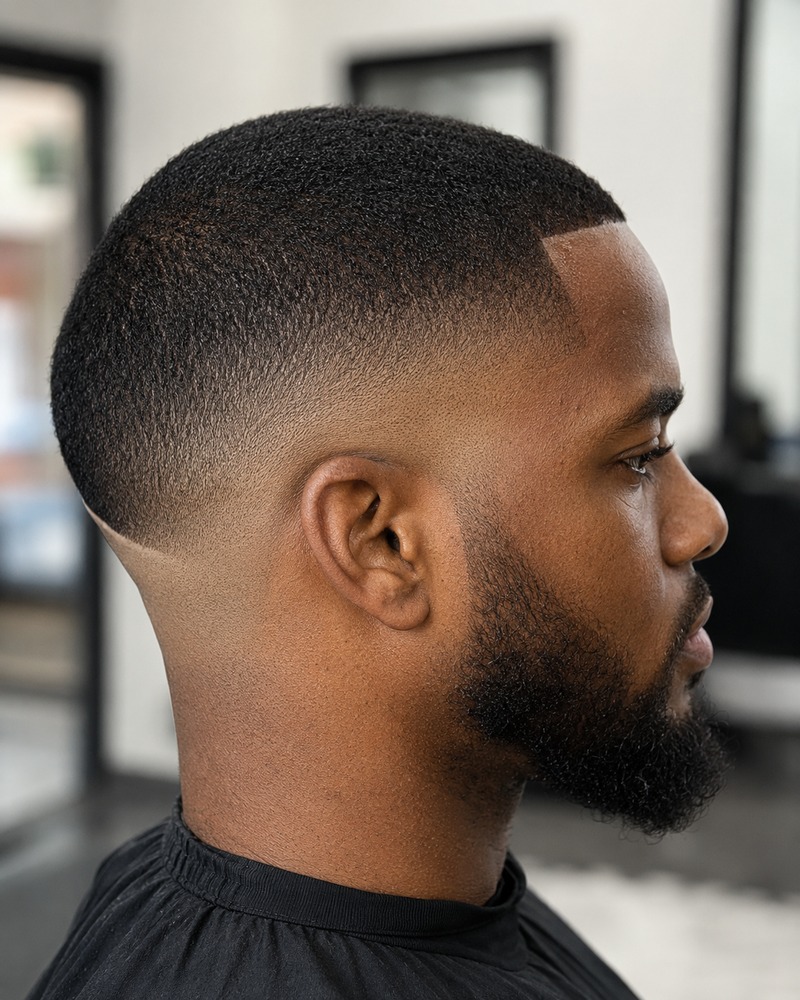
A bald drop fade takes things a step further. Instead of just using clippers, the barber finishes the base with a foil shaver or razor for an incredibly close cut.
It looks insanely sharp with a buzz cut or short Afro. If you want it to grow out smoothly, ask them to keep the bald section narrow.
A quick warning: this might irritate sensitive skin. If you are prone to razor bumps, let your barber know before they break out the razor.
7. The Shadow Drop Fade
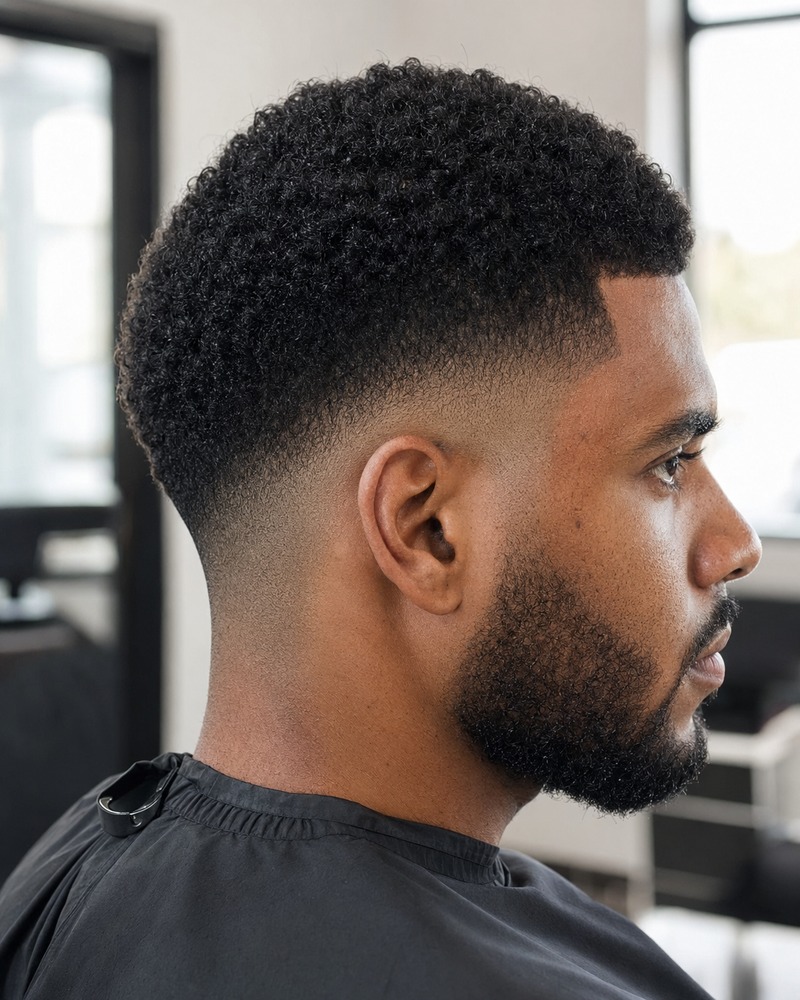
The shadow drop fade leaves a light layer of stubble at the bottom instead of going to the skin. It still curves behind the ear, but the overall look is darker and softer.
This is a lifesaver if you have coarse hair, sensitive skin, or a strict office dress code. It also grows out much more naturally than a bald fade.
Ask for a visible shadow at the bottom that blends gradually into the fuller hair above.
8. The Drop Taper Fade
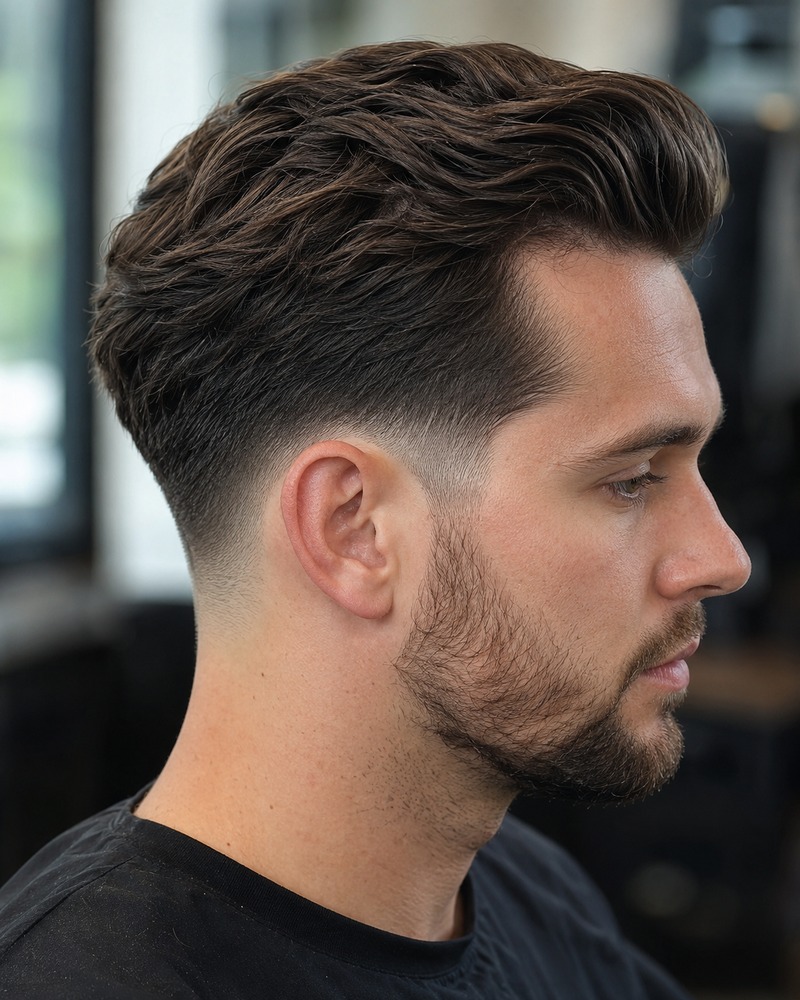
The drop taper fade keeps the shortest hair right at the temples, ears, and neckline. Unlike a full skin fade, it leaves your natural weight intact on the sides.
It works perfectly with medium-length hair, twists, side parts, and brushed-back styles. Because it’s so subtle, it fits right into professional or school environments.
Use Layrite Natural Matte Cream on top. It’s lightweight, so your hair still moves, but it adds enough texture to look styled.
9. Drop Fade With a Textured Crop
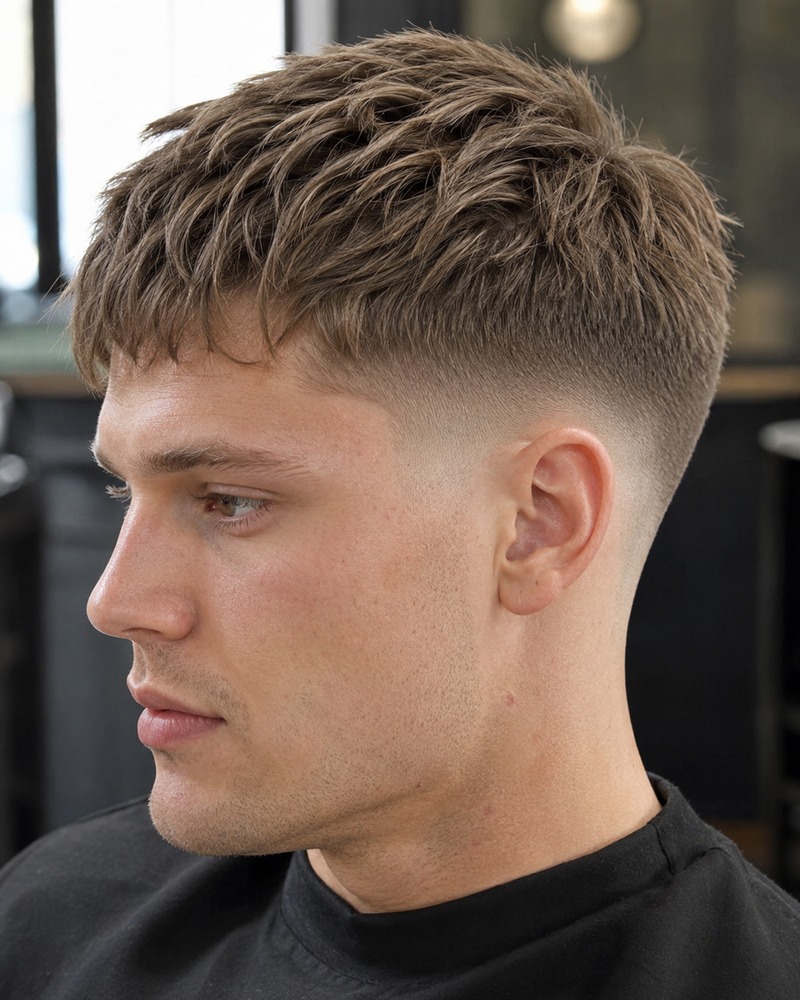
A textured crop pairs a short, layered top with a clean curved fade. The choppy texture gives the top movement, while the drop shape keeps the sides tidy.
This is one of the best options for straight or slightly wavy hair. If your hair is fine, the layers will stop it from lying flat, making it look thicker.
Work some American Crew Fiber through dry hair with your fingertips. Push strands forward and pinch small sections together—skip the comb.
10. Drop Fade With a Textured Fringe
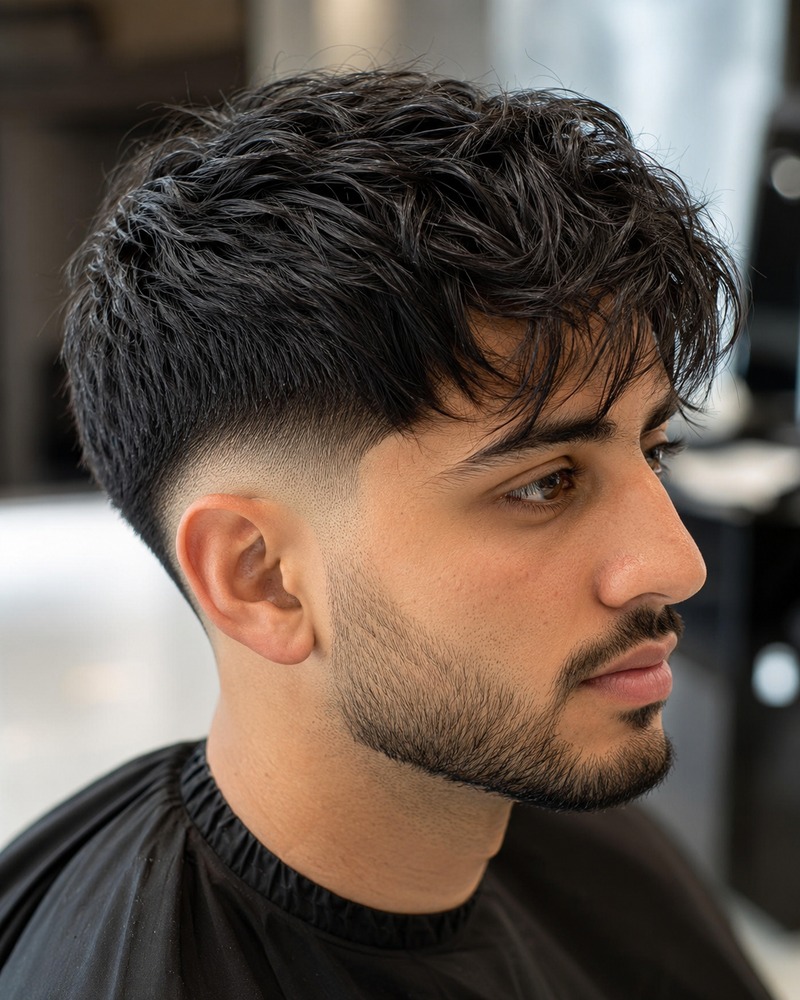
The textured fringe drop fade keeps length at the forehead while taking bulk away from the ears. The curved fade makes sure the fringe gets all the attention.
Ask for point-cut layers in the front. You want enough length to fall naturally without hanging in your eyes. It’s a great cut for straight, thick, or softly wavy hair.
Blow-dry the fringe forward, then hit individual sections with Layrite Cement Clay. Don’t coat every strand—too much product kills the airy texture.
11. Low Drop Fade With a French Crop
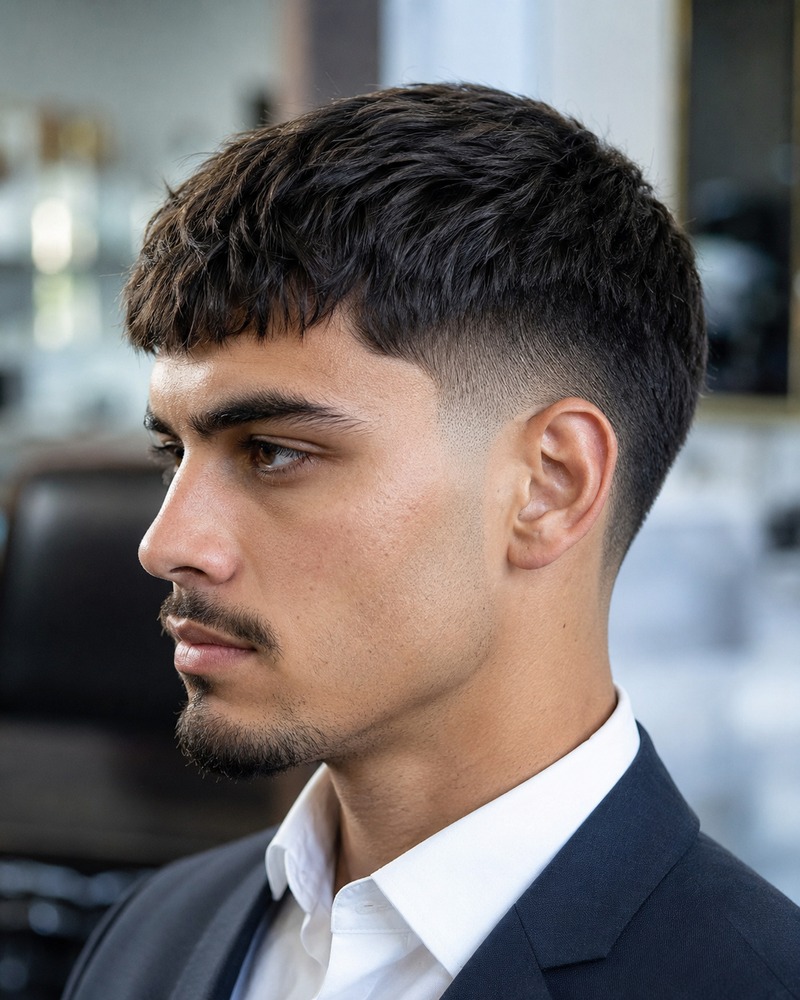
A French crop is all about a short top and a compact fringe across the forehead. Adding a low drop fade gives it definition without making the cut look aggressive.
This combo shortens the look of a high forehead and tames thick hair that puffs out at the sides. The low blend keeps it office-ready.
Use American Crew Defining Paste to separate the top while keeping a flexible, low-shine finish.
12. The Drop Fade Edgar Cut
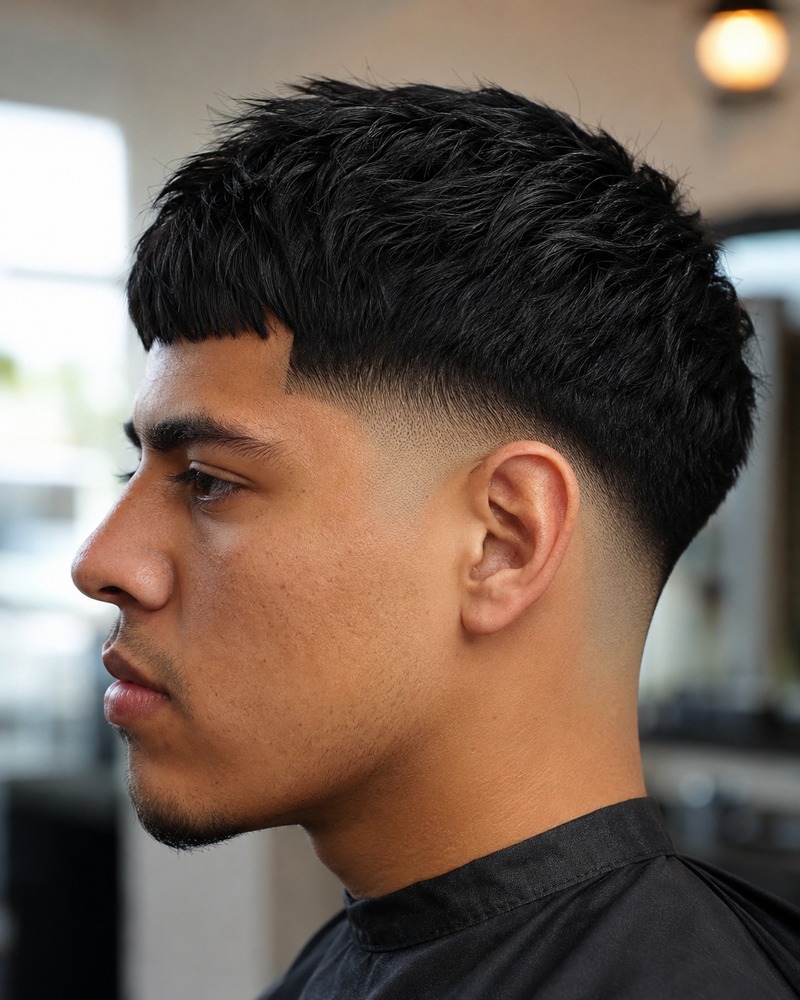
The drop fade Edgar pairs a blunt or lightly textured fringe with a tightly blended fade. The curved sides follow the bowl-like shape of the top, giving it a modern, clean finish.
You can go with a sharp straight fringe for a bold look or a broken, textured edge for something easier to wear. Thick, straight hair holds this shape perfectly.
Sparingly apply Layrite Cement Clay, brush it forward, and break up the ends with your fingers.
13. The Drop Fade Caesar Cut
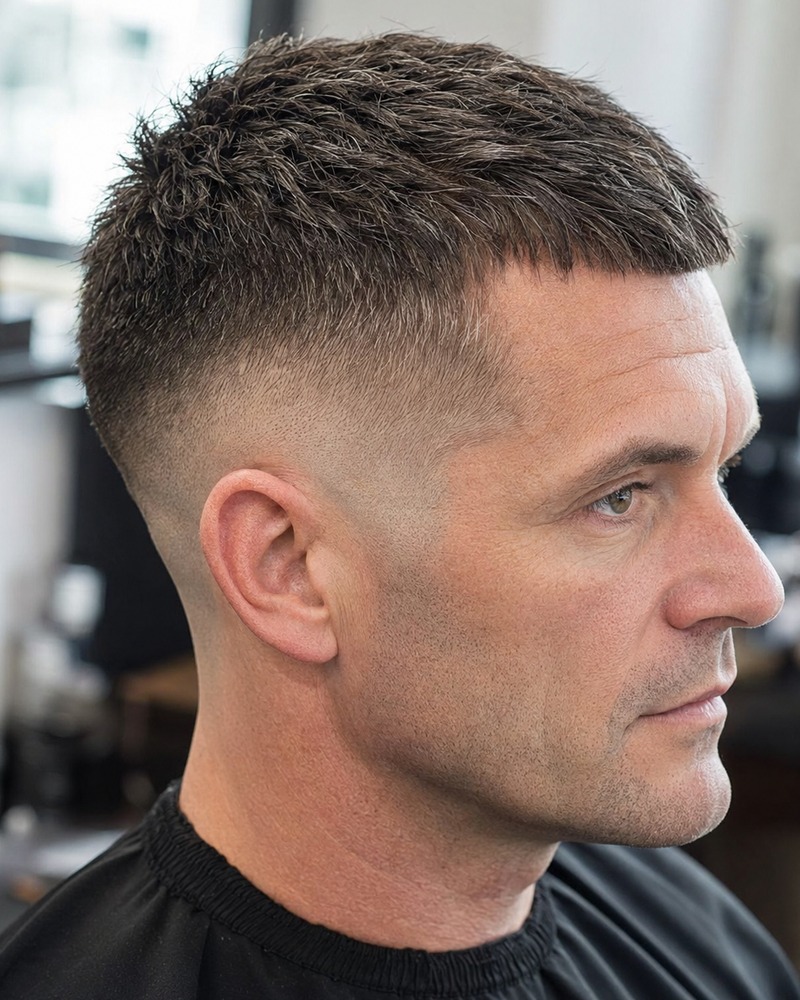
The Caesar cut keeps the top short and combed forward with a small horizontal fringe. A mid or low drop fade modernizes the traditional shape while keeping it low-maintenance.
It works well for straight, wavy, and even moderately thinning hair because combing it forward gives you coverage without needing height. Ask for a little texture at the crown so it doesn’t look flat.
A small amount of American Crew Defining Paste gives you controlled separation without a wet look.
14. The Drop Fade Crew Cut
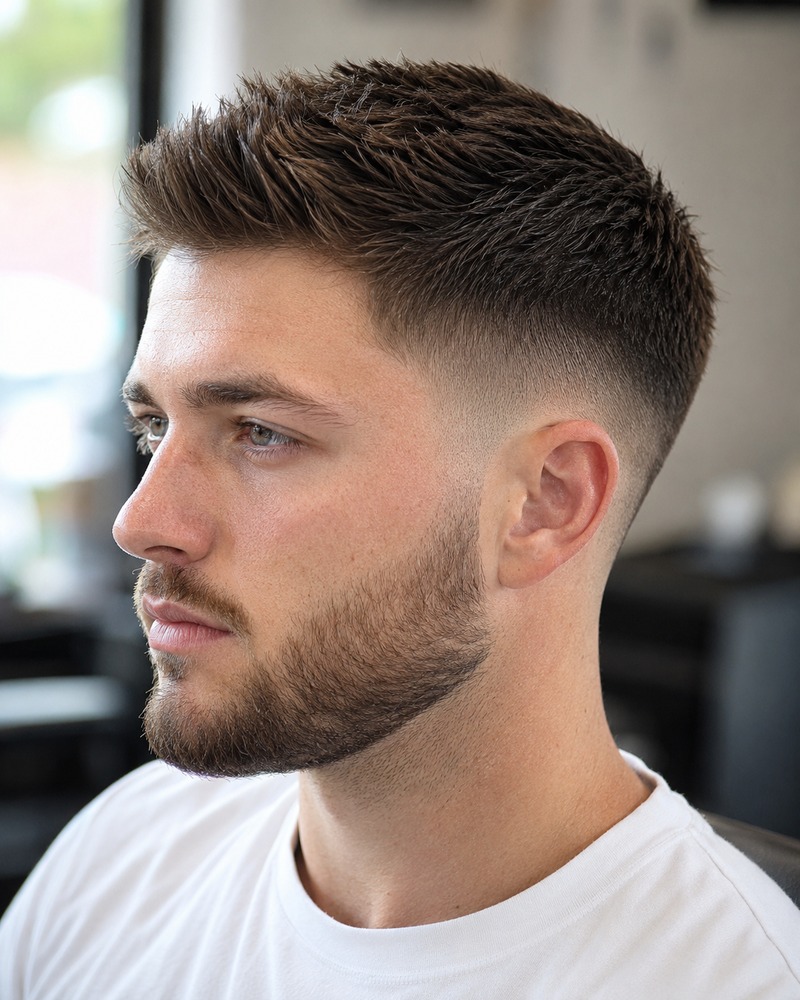
A crew cut gradually fades from longer hair at the front to shorter hair at the crown. The drop fade just continues that transition down the sides and back.
It’s neat enough for an office but has more shape than a standard clipper cut. Best of all, it requires almost zero styling in the morning.
Rub a fingertip of Reuzel Fiber Pomade between your palms and guide the front upward. Keep the rest of the top tight to the head.
15. The Drop Fade Buzz Cut
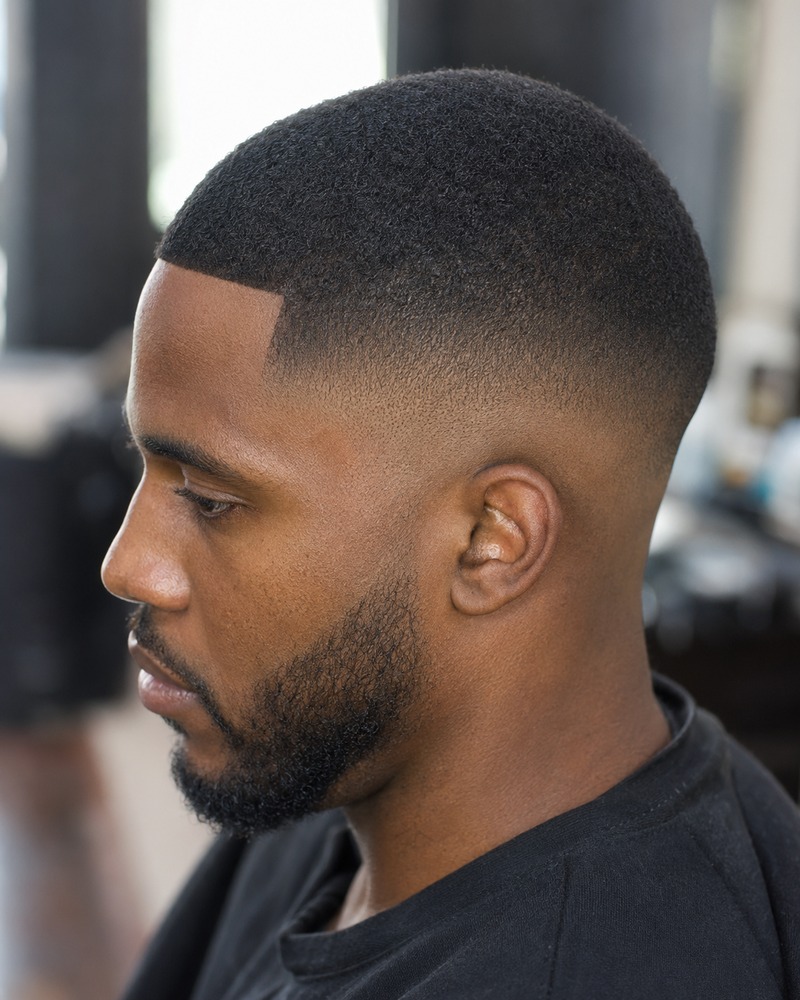
The buzz cut drop fade uses a short, even length on top with a curved gradient around the head. Since there’s no hair to hide mistakes, the fade has to be perfectly symmetrical.
Add a line-up for a sharper look, or keep the natural hairline for softer regrowth. It’s an ideal cut for active guys or hot climates.
Have your barber show you a few guard lengths for the top before they start cutting.
16. The High-and-Tight Drop Fade
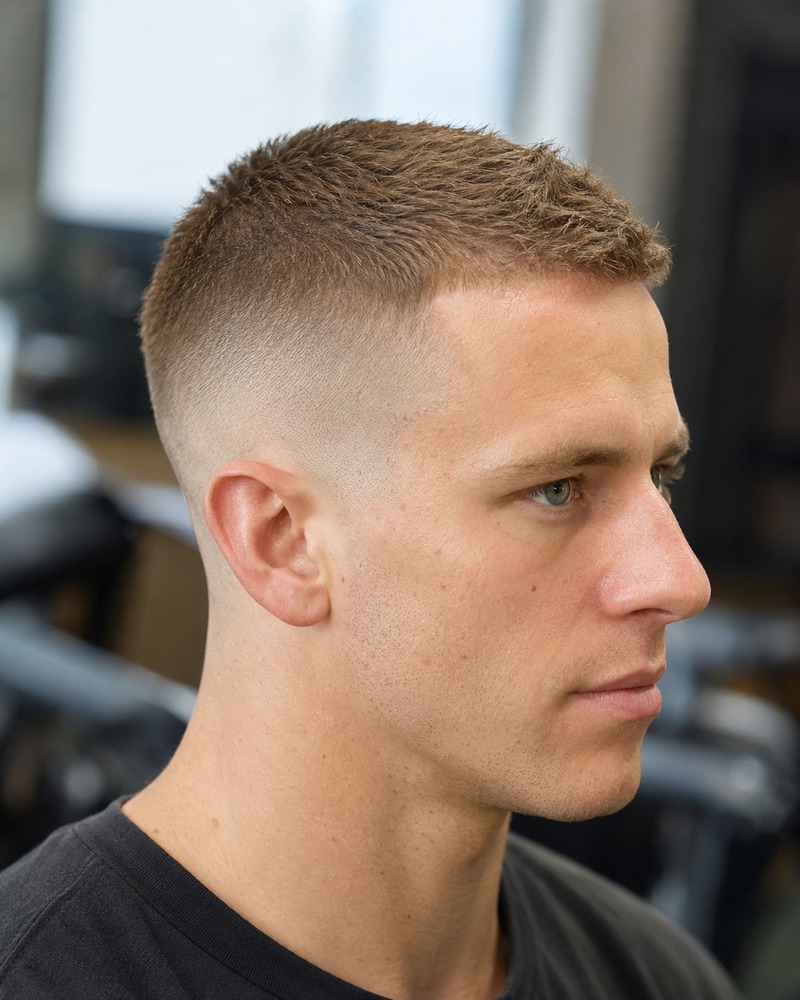
This high-and-tight haircut keeps a narrow strip of short hair on top while taking the sides high and tight. The drop at the back softens the severe military outline.
It’s perfect if you want sharp structure with zero styling time. If your head is narrow or elongated, keep the fade a bit lower around the occipital bone.
Wahl recommends refreshing close cuts like this every two to three weeks to keep them looking sharp.
17. The Drop Fade Quiff
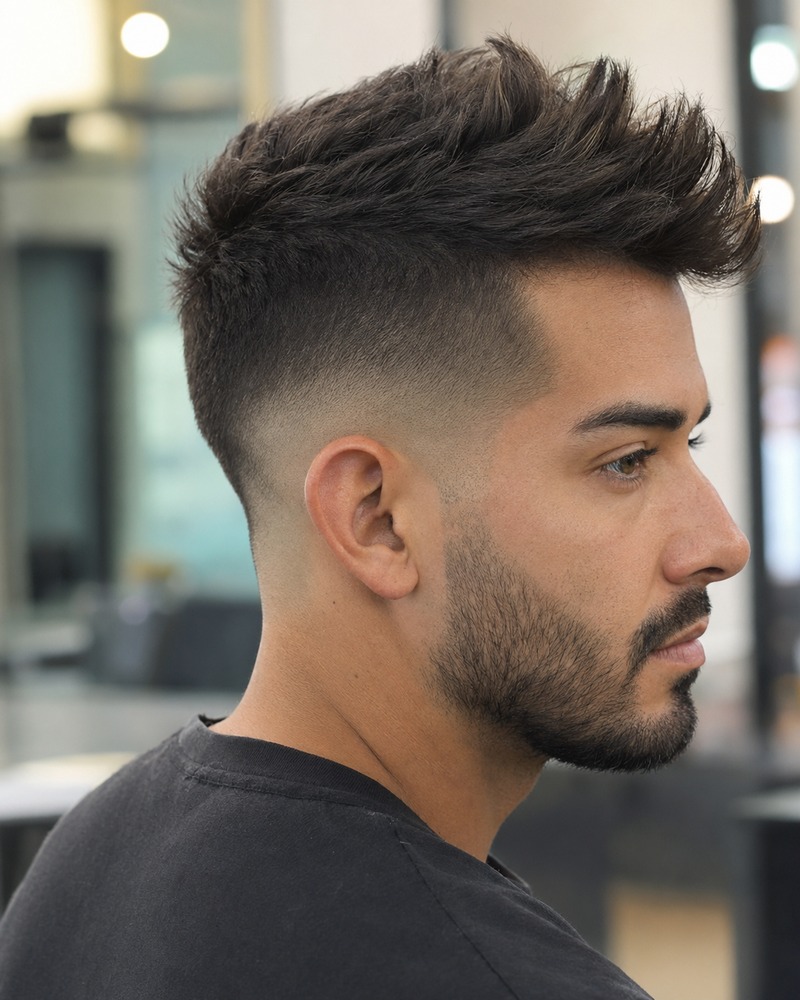
A drop fade quiff pairs height at the front with a tight curved blend. The fuller top adds length to your face, while the fade stops thick hair from bulging around the ears.
Ask for enough length at the front to lift upward and back. Keep the crown shorter so the quiff doesn’t collapse behind the peak.
Spray TRESemmé Thermal Keratin Smooth Heat Protection Spray before blow-drying to protect against heat up to 450°F. Finish with Reuzel Fiber Pomade for all-day hold.
18. The Drop Fade Pompadour
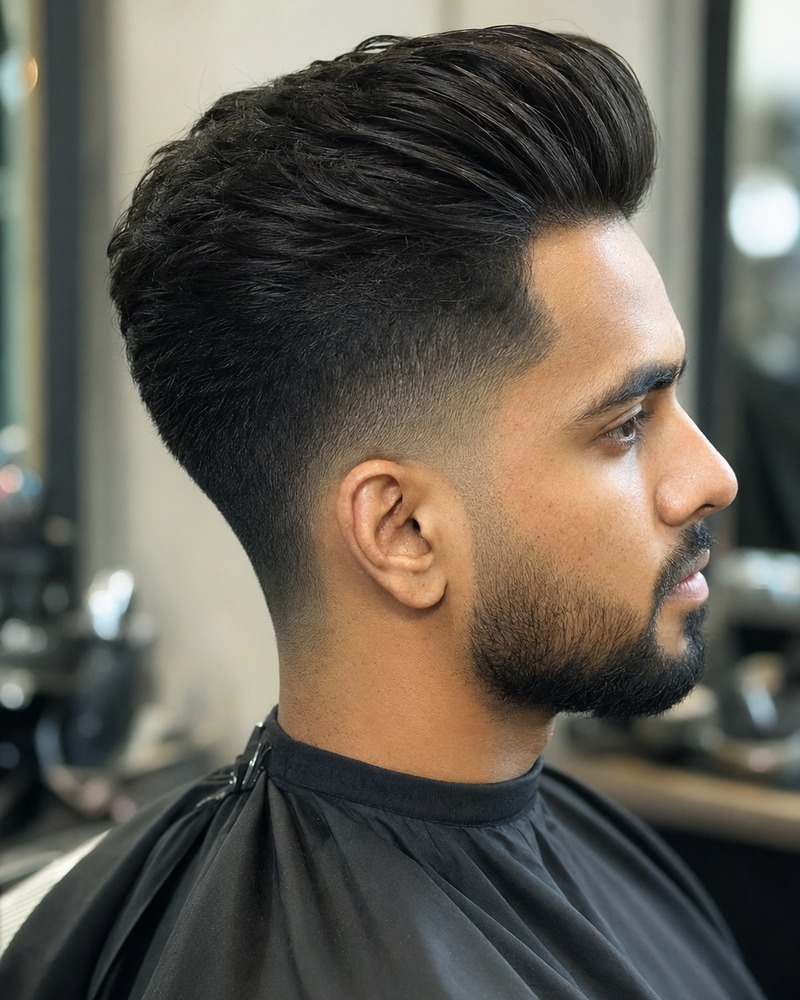
The pompadour keeps serious length in the front and sweeps it back. A low drop fade provides contrast while leaving enough dark hair on the sides to support the heavy top.
This works best on medium or thick hair. Ask your barber to scissor-blend the upper sides so the pompadour connects naturally instead of looking like a disconnected helmet.
Use Suavecito Original Hold Pomade for a medium-hold, medium-shine finish.
19. The Drop Fade Side Part
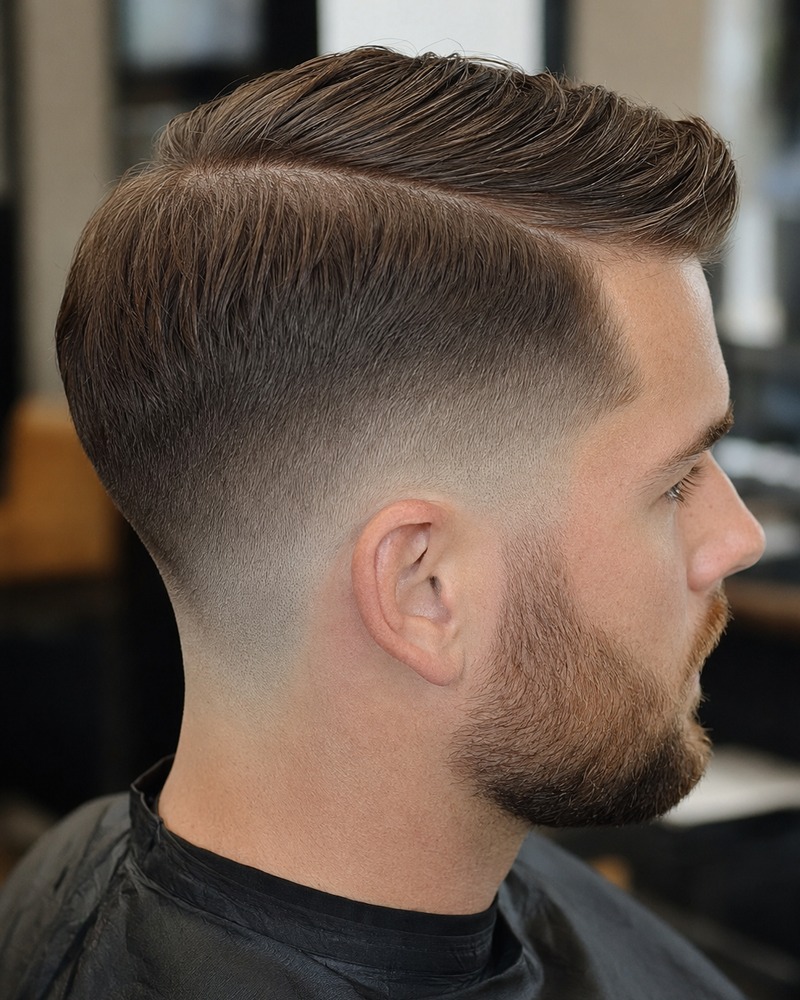
A drop fade side part is a polished look that doesn’t require a ton of height. The hard part pushes the top to one side while the fade drops behind the ears.
Go with a natural part for a softer look, or a narrow shaved part for more definition. If you have fine hair, avoid a wide hard part—it will expose too much scalp.
Comb Suavecito Original Hold Pomade through slightly damp hair. It washes out easily with water.
20. The Drop Fade Comb Over
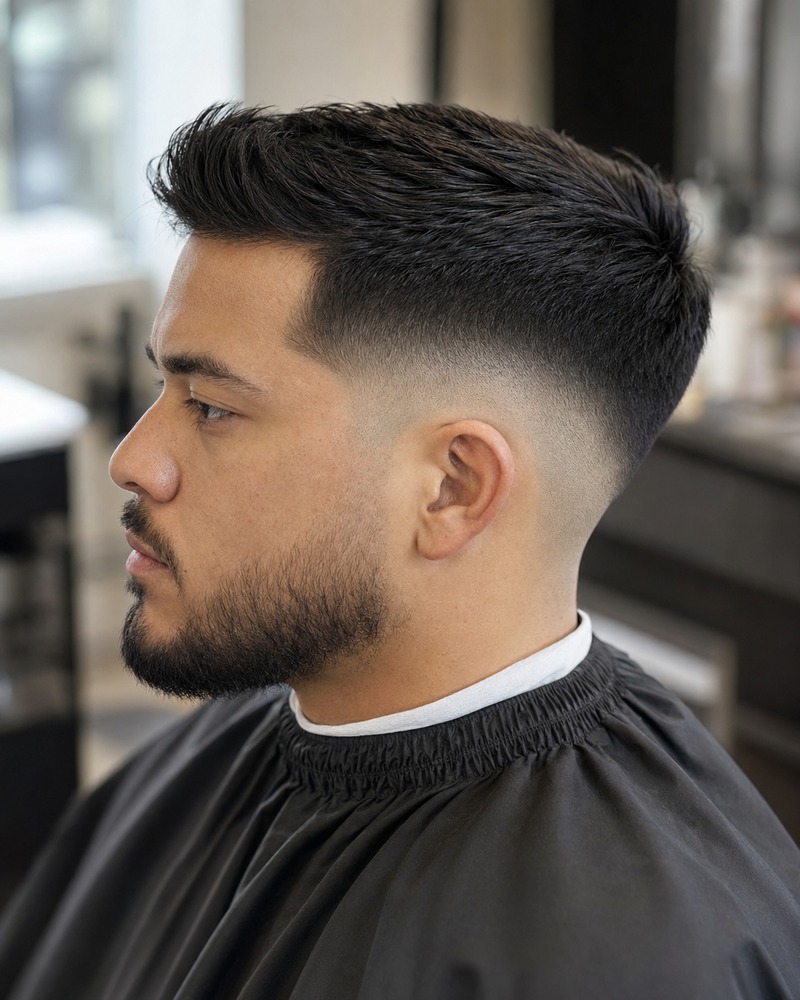
The drop fade comb over leaves moderate length on top and pushes it diagonally away from the part. Unlike the flat comb-overs from decades ago, this version relies on texture and controlled volume.
A low or mid drop fade stops the style from looking too stiff. Ask for a blended transition near the parietal ridge so you don’t get a heavy shelf above the fade.
Use American Crew Fiber Cream if you want movement rather than a stiff, slick finish.
21. The Drop Fade Slick Back
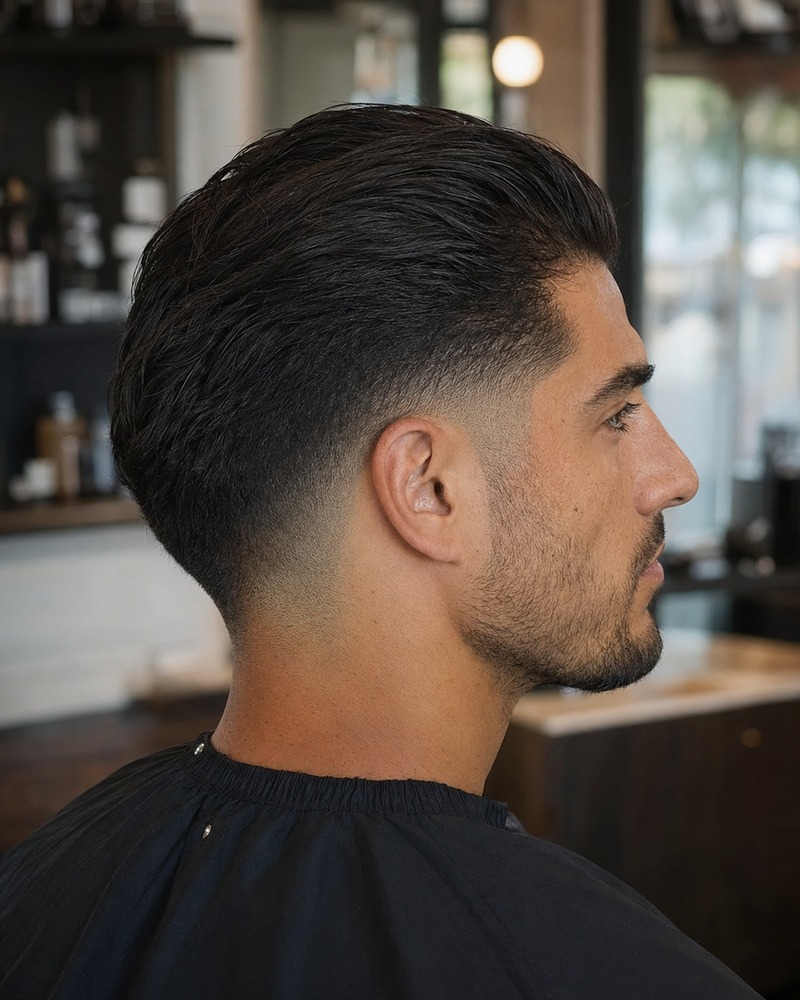
This cut keeps the hair long enough to sweep back from the forehead, while the drop fade tightens up the sides and neckline.
A low fade gives you a classic, connected look. A higher skin fade creates a disconnected undercut effect. If you have a long face, leave some volume on the sides instead of going too high.
Apply Reuzel Red Pomade for a polished, medium-hold, high-shine finish.
22. Drop Fade With a Messy Top
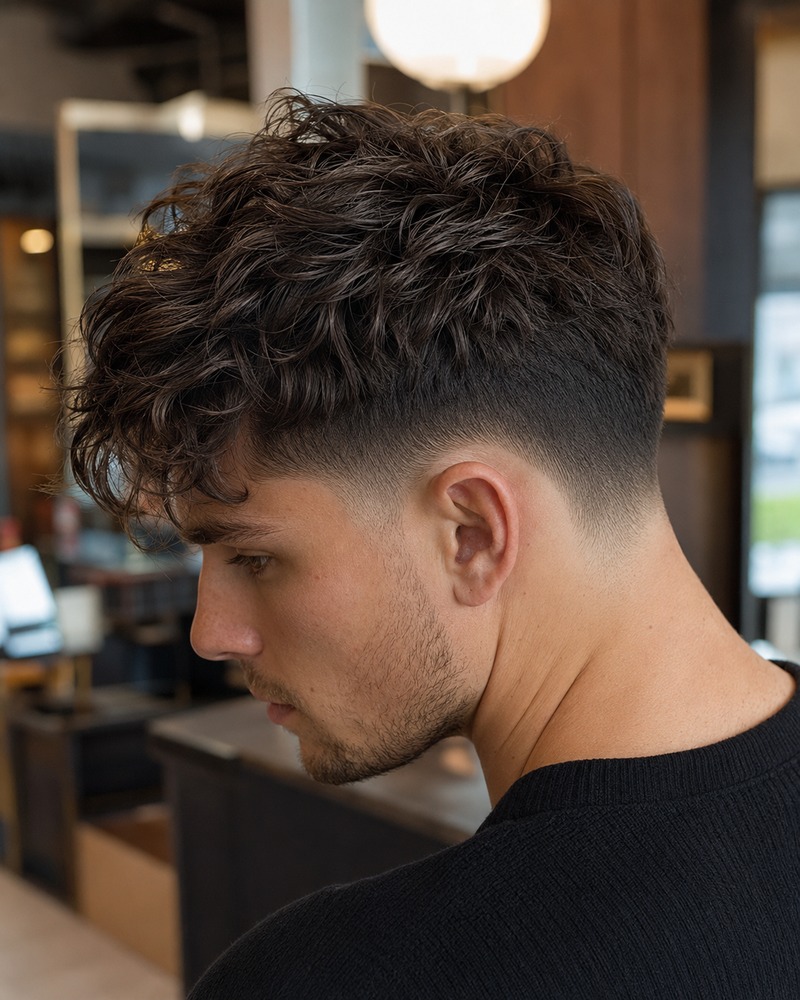
The messy-top drop fade balances uneven, choppy texture on top with a sharp outline on the sides. The top can be short or a few inches long, depending on your hair.
This is perfect for thick or naturally wavy hair. Tell your barber to remove internal weight to create movement rather than just thinning out the ends.
Spray Bumble and bumble Surf Spray onto damp hair, scrunch it, and let it air-dry. It adds matte, beachy grit without stiffening up.
23. Drop Fade With Spiky Hair
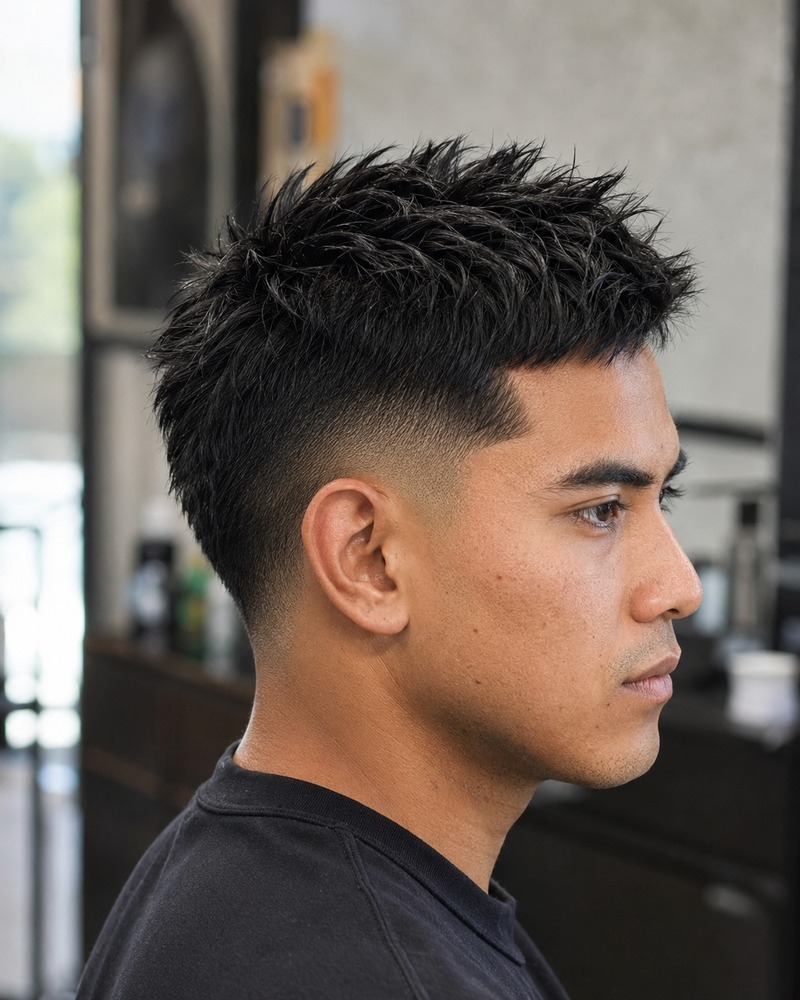
Short spikes give the drop fade a sharp, energetic vibe. Modern spikes should have irregular separation—skip the stiff, evenly spaced gelled spikes from the 90s.
Ask for one to three inches on top, depending on how much height you want. A mid drop fade gives you enough contrast without overpowering the spikes.
Warm up Layrite Cement Clay in your hands and pull small sections upward with your fingertips.
24. The Drop Fade Blowout

The drop fade blowout keeps the top full and airy while tapering tight around the ears and neck. It’s wider and softer than a quiff.
This works for thick, straight, wavy, or loosely curled hair. Make sure your barber leaves enough length on the upper sides so you don’t end up with a mushroom shape.
Spray TRESemmé Thermal Keratin Smooth Heat Protection Spray before using a vent brush and blow-dryer. Direct the roots up, then finish with a light touch of American Crew Fiber.
25. Drop Fade With Wavy Hair
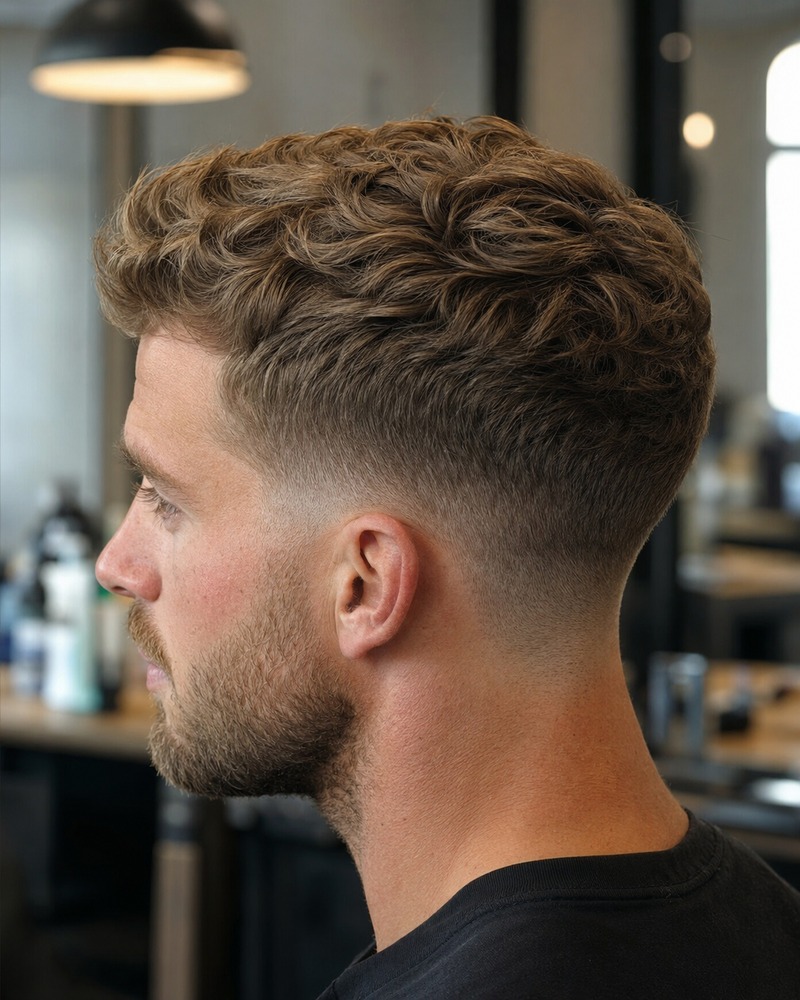
Wavy hair adds natural flow to the structured drop shape. A low or mid fade takes away excess width but leaves enough length to keep your wave pattern intact.
Don’t cut the top too short. Waves spring up when they dry, so it will look shorter than it does when wet in the barber’s chair.
Bumble and bumble Surf Spray adds matte texture. Use it sparingly if your hair runs dry.
26. Drop Fade With Curly Hair
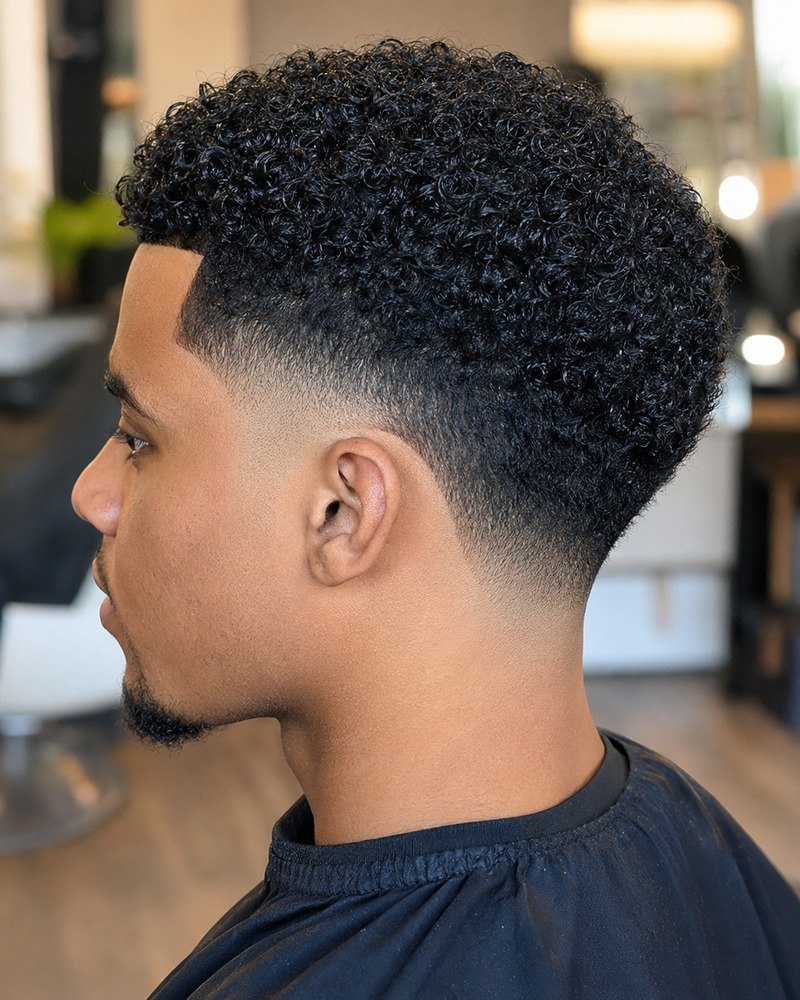
A curly drop fade keeps the curls full on top while cleaning up the outline underneath. It works with loose curls, tight ringlets, and mixed curl patterns.
Here’s a pro tip: have your barber evaluate the top while it’s dry. Wet curls stretch, and they might cut off way more than you wanted.
Work one or two pumps of Moroccanoil Curl Defining Cream into towel-dried hair. It defines curls, fights frizz, and offers a soft hold that lasts up to 48 hours.
27. Drop Fade With Permed Curls
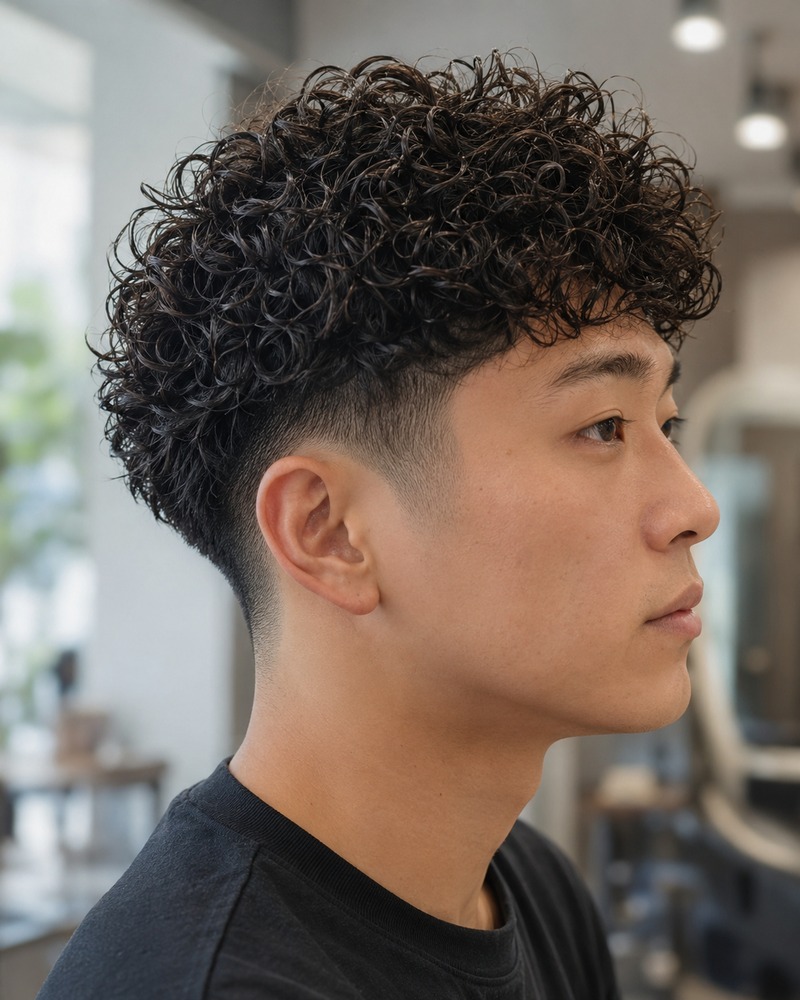
A drop fade adds structure to a modern men’s perm by clearing out the sides while leaving the curls on top.
A low drop fade gives a softer connection, while a skin fade creates a dramatic disconnect. Just make sure your barber and perm specialist coordinate how short the sides will be before the chemicals go in.
Use Moroccanoil Curl Defining Cream and let it air-dry to avoid unnecessary heat damage.
28. The Drop Fade Afro
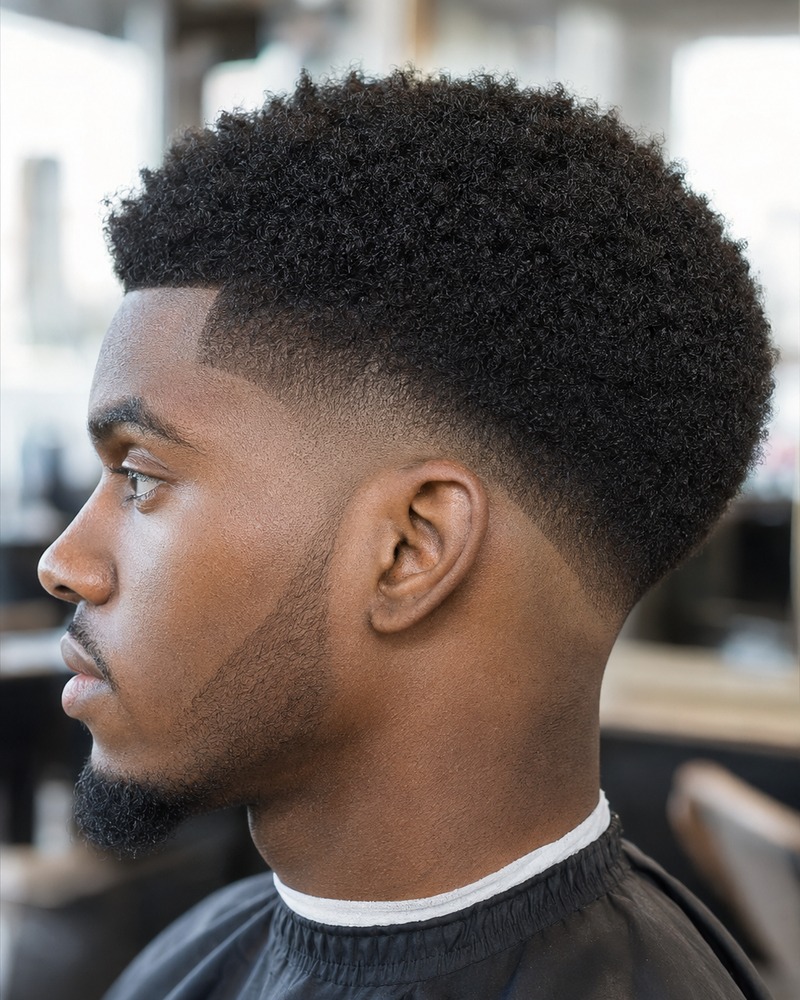
The drop fade Afro follows the curve of the head while leaving height and shape on top. You can wear a compact round Afro or a taller, angular silhouette.
A shadow fade creates a dense transition, while a skin finish delivers high contrast. Have your barber check the front, side, and back to ensure the outline is balanced.
Use SheaMoisture Coconut & Hibiscus Curl Enhancing Smoothie sparingly to condition and define your coils.
29. Drop Fade With 360 Waves
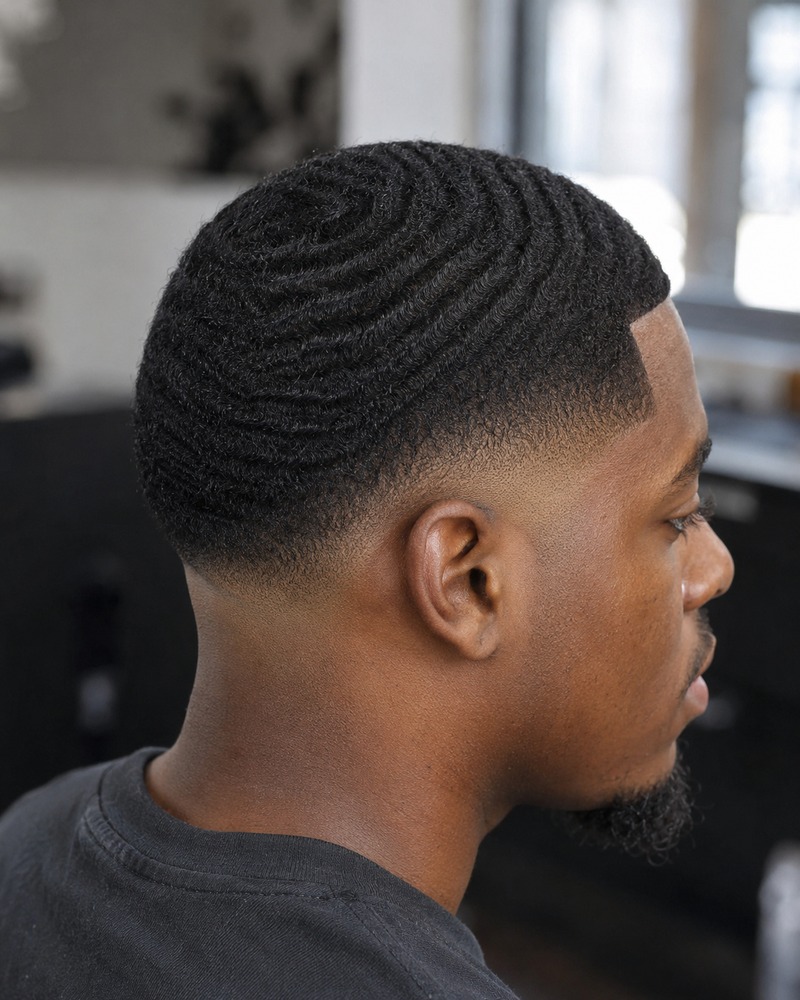
A drop fade can frame 360 waves without ruining the pattern on the crown. Your barber needs to keep the fade below the active wave area and follow your growth direction.
If keeping your wave coverage intact is the priority, stick to a low or shadow drop fade. A high fade will eat up too much of the pattern.
Keep brushing in your established directions, wear your durag at night, and don’t let the barber cut aggressively against the grain.
30. Drop Fade With Twists
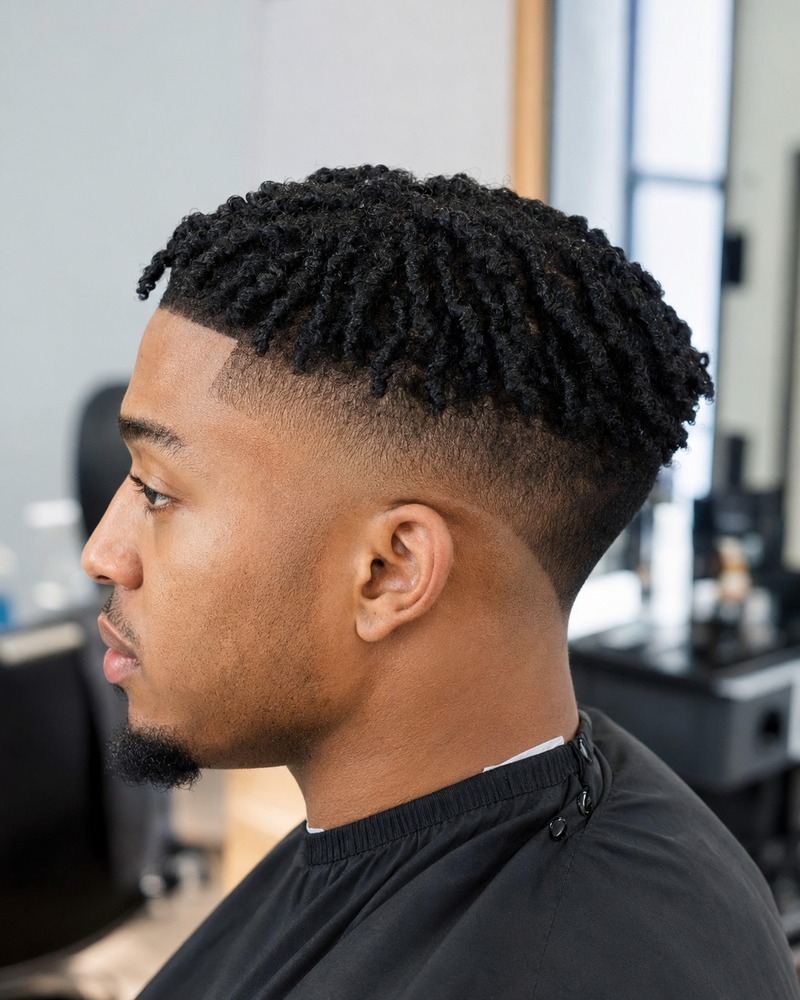
Short or medium twists look incredibly sharp with a drop taper or low drop fade. The curved sides clean up stray growth but leave enough hair at the temples to support the twists.
Tell your barber not to push the front line back to force a straight edge. Section the twists before the final line-up so the spacing stays balanced.
Use a little SheaMoisture Coconut & Hibiscus Curl Enhancing Smoothie when retwisting to keep them fresh.
31. Drop Fade With Dreadlocks
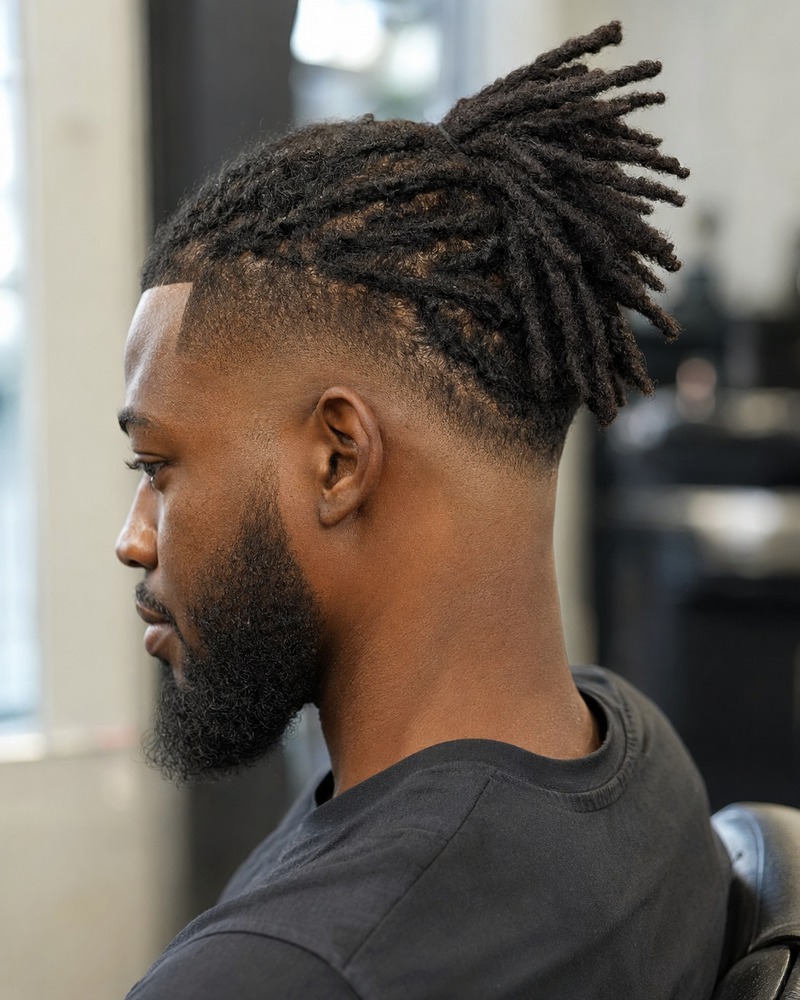
A drop fade with dreadlocks separates the longer locks from the short sides. It works with starter locs, medium locs, or tied-back tops.
The fade should follow your parting system. Going too high can reduce the number of loc sections and make the top look narrow.
If you plan to grow your locs out, go with a low drop taper. It keeps density around the perimeter and requires less restructuring later.
32. Drop Fade With Braids
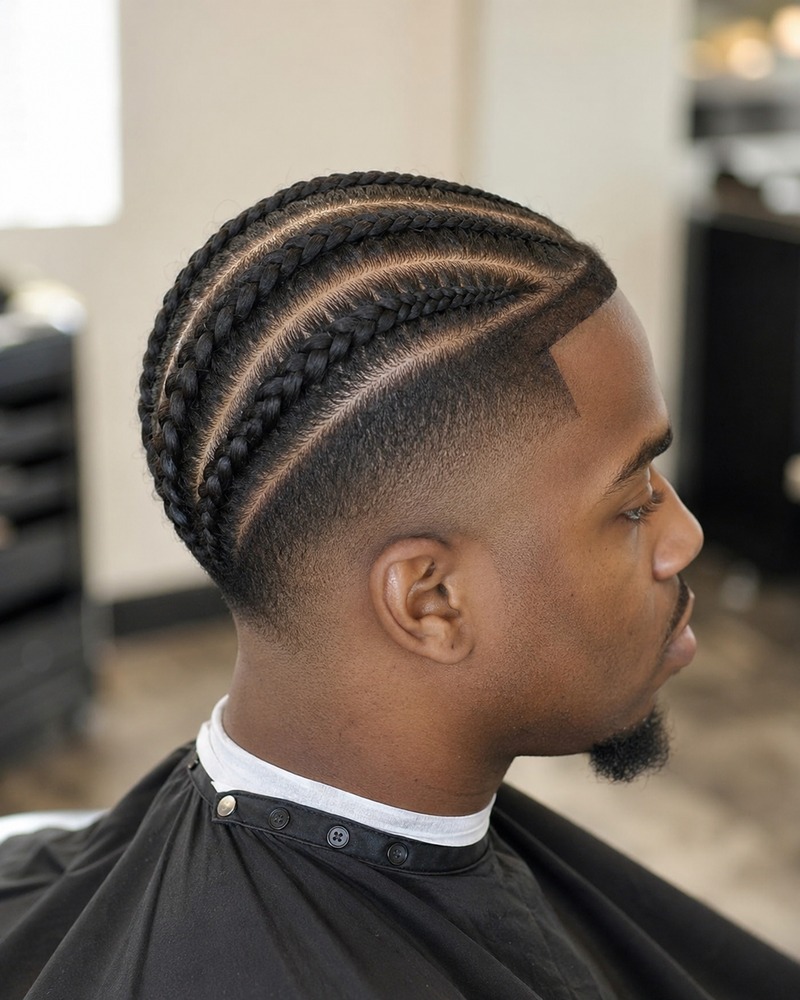
Cornrows, box braids, and braided tops all work well with a drop fade. The curved blend cleans up the ear area while letting the braids follow the crown naturally.
Plan your braid pattern before the barber sets the fade height. If the fade goes too high, you might not have enough width left for the design.
A shadow fade blends softly, while a skin fade creates sharp contrast against detailed braids.
33. The Drop Fade Mohawk
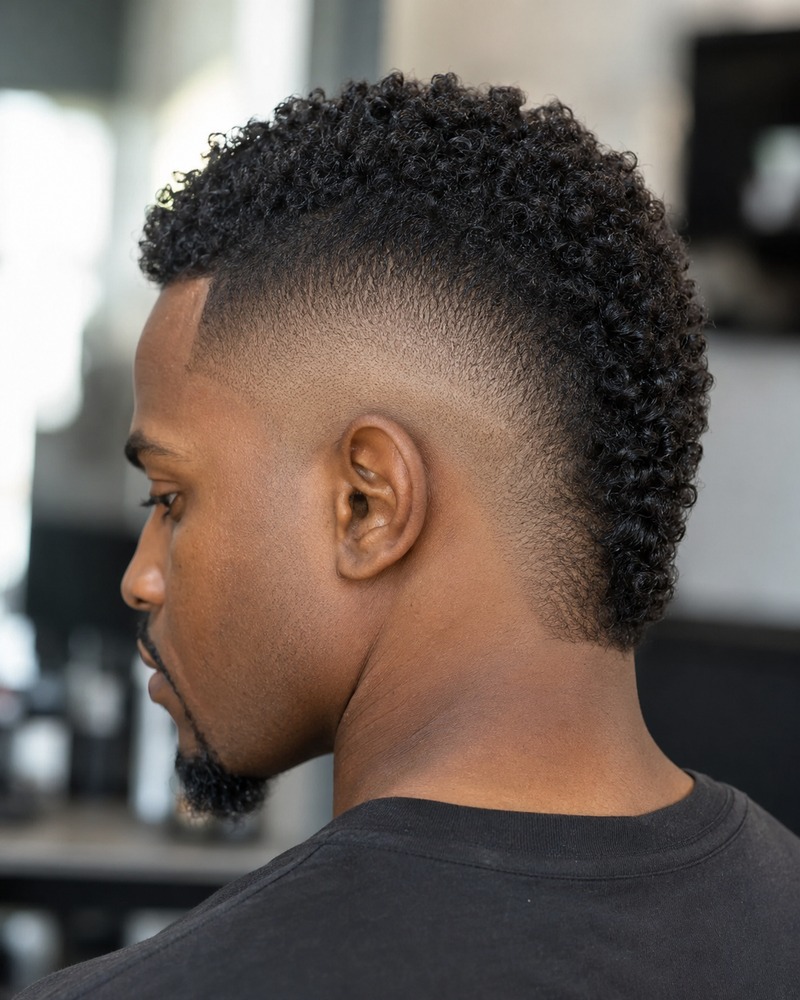
The drop fade mohawk keeps a strip of hair running from the forehead to the neckline. The sides curve down instead of being shaved into a straight, flat band.
This works with straight spikes, curls, and coils. Confirm the width of the central strip before cutting. A narrow strip is dramatic; a wider one is easier to style casually.
Use Layrite Cement Clay for straight hair, or Moroccanoil Curl Defining Cream for a curly mohawk.
34. The Drop Fade Faux Hawk
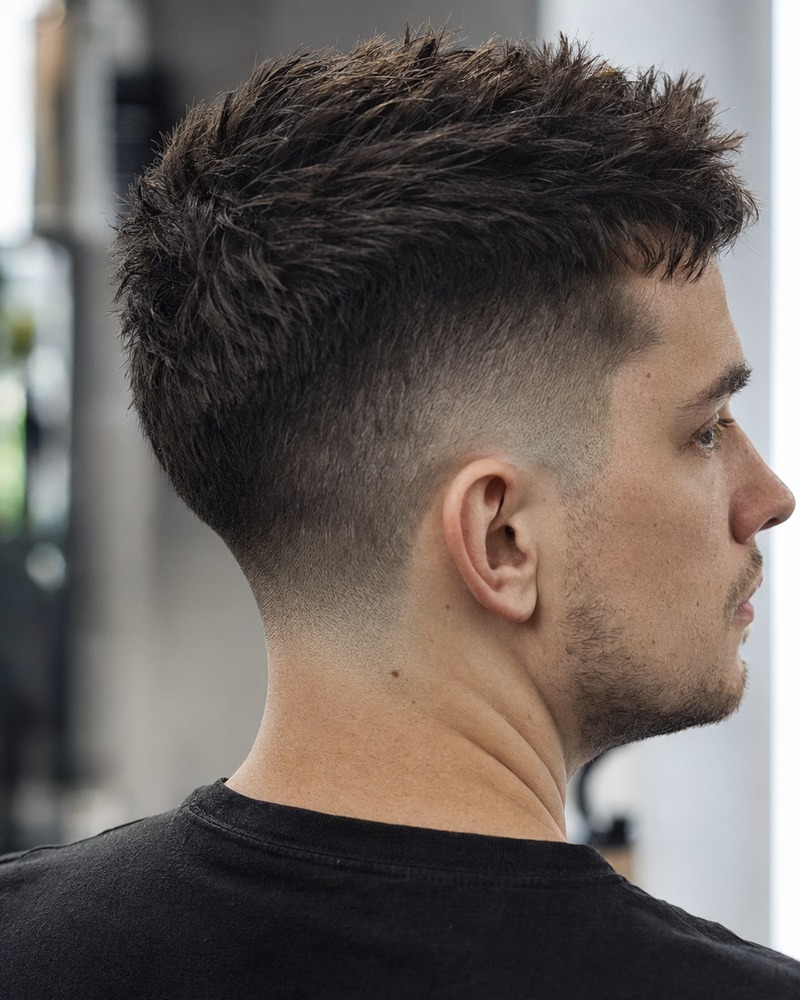
A faux hawk gives you central height without fully disconnecting the sides. The drop fade enhances the shape but keeps the cut wearable for normal social or office settings.
Leave the top longest in the center and gradually shorten it toward the sides. You can spike the front up or leave it textured.
Apply Reuzel Fiber Pomade from the sides toward the middle. Pinch the central sections together, but don’t make it look like one stiff point.
35. The Drop Fade Mullet

The drop fade mullet keeps length in the back while cleaning the sides with a curved transition. The drop line connects naturally to the longer neckline, so it looks less abrupt than a straight high fade.
Go for a textured top for a modern look, or add a short fringe for retro vibes. Drop fade mullets are trending hard right now, with thousands of searches on Pinterest.
Use Bumble and bumble Surf Spray to emphasize movement in the top and back.
36. Drop Fade With a Beard

A drop fade and beard combo creates a continuous gradient from your temples right into your facial hair. The transition can be soft or sharply disconnected.
Ask your barber to factor in your beard density before choosing the temple length. A short transition might expose patchy growth, while a darker blend makes the beard look thicker.
Keep your cheek and neckline proportional to the fade. A heavily geometric beard can overpower a soft haircut.
37. Drop Fade With a Hair Design

A shaved line or geometric pattern can highlight the movement of a drop fade. The best designs follow the existing curve rather than fighting it.
Place a simple design above the shortest part of the fade so it shows up against the darker hair. Complex patterns need more surface area, so they work better with mid or high drop fades.
Remember that the design will blur as the hair grows. Pick something that still looks fine once the edges soften up.
Which Drop Fade Suits Your Face Shape?
To find the best drop fade for your face shape, match the fade height and top volume to your facial structure. Round faces benefit from height on top, while long faces need lower fades with side volume to balance proportions.
Barber Herson Rodriguez says, “Fades usually depend on two factors: desired overall style and the shape of one’s face.” Here is how to choose:
- Round Face: Go with a mid or high drop fade. Add height on top with a quiff, faux hawk, or textured crop to lengthen your face. Avoid width above the ears.
- Long Face: Keep the drop fade low and leave some fullness on the upper sides. A French crop, Caesar, or textured fringe helps shorten the appearance of your face.
- Square Face: You can pull off almost any drop fade. A buzz cut or crew cut highlights your jaw, while curls and waves soften your angles.
- Oval Face: Choose the fade based on your hair texture and how often you want to visit the barber. Oval faces can handle almost any proportion.
What Should I Tell My Barber for a Drop Fade?
To get the best drop fade, tell your barber four specific details: the fade height (low, mid, or high), the shortest length (skin, shadow, or clipper guard), the top style (crop, quiff, curls), and whether you want a fully blended or disconnected transition.
Don’t just sit down and ask for “a drop fade.” Give them these four details:
- Fade height: Low, mid, or high.
- Shortest length: Skin, light shadow, or a specific clipper length.
- Top style: Fringe, crop, curls, quiff, waves, or another named cut.
- Connection: Fully blended or visibly disconnected.
Here is exactly how to phrase it:
“I want a mid drop fade that curves behind the ears, finishes with a light shadow at the bottom, and blends into a textured crop with about two inches left on top.”
Bring a clear side-view photo and a rear three-quarter photo. The back shot is crucial because it shows exactly how far the fade should drop toward the neckline.
How Often Should You Refresh a Drop Fade?
You should refresh a drop fade every one to two weeks for a skin or bald fade to maintain maximum contrast, and every two to four weeks for a low, shadow, or taper version. Frequent cuts maintain the outline but do not change the speed at which your hair grows.
Wahl recommends trimming close high-and-tight styles every two to three weeks. That schedule is a good baseline for most sharp drop fades.
Board-certified dermatologist Rochelle Torgerson calls it “a popular but false myth” that cutting hair more frequently makes it grow faster. Get it trimmed for the look, not for the growth.
What is the Difference Between a Drop Fade and a Low Fade?
A low fade describes the height where the transition begins, starting close to the ears. A drop fade describes the shape of the transition, as the line descends behind the ears instead of staying level. A haircut can be both a low fade and a drop fade.
Therefore, if you request a low drop fade, your barber will start the blend low and curve it downward toward the back.
What is the Difference Between a Drop Fade and a Burst Fade?
A drop fade creates a curved transition that continues across the back of the head toward the neckline. A burst fade forms a circular pattern around each ear while leaving length at the back. Drop fades work with most styles, while burst fades pair best with mullets and mohawks.
Because burst fades retain length at the back, they are frequently paired with mohawks and mullets, while drop fades can work with almost any top style.
Is a Drop Fade Worth Getting?
Yes, a drop fade is worth getting if you want a fade that follows the natural shape of your head and creates more movement than a straight horizontal blend. It is a highly adaptable cut that works well with short crops, longer swept styles, curls, waves, Afros, braids, and locs.
The best version isn’t always the highest or shortest one. Pick a fade height that fits your face, leaves enough density for your top style, and matches how often you want to sit in the barber’s chair.