The wolf cut mullet isn’t new—but the way people are wearing it now definitely is. What started as a shag–mullet hybrid recycled from the 70s and 80s has turned into one of the most requested cuts in salons again, especially among Gen Z and younger millennials. It’s messy on purpose, flattering in unexpected ways, and somehow works across straight, wavy, and curly hair when it’s done right.
If you’ve been saving wolf cut photos on TikTok or Pinterest but still feel unsure what actually makes a good one, you’re not alone. The internet shows the highlight reel. Real life needs a little more context—how it’s cut, who it works for, and why some versions look incredible while others fall flat.
What Exactly Is a Wolf Cut Mullet?
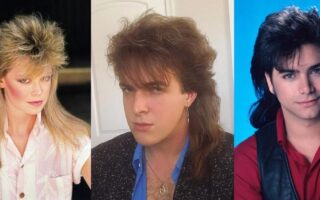
The wolf cut mullet is a layered haircut with two strong ideas working together: volume on top and length in the back. The front and crown are cut short and choppy, while the nape keeps that unmistakable mullet tail. The result is movement, texture, and a slightly wild shape that never looks too polished.
Unlike a traditional mullet, the wolf cut leans heavily into shag techniques. That’s why it feels softer, more wearable, and easier to grow out. A well-executed wolf cut should look intentional even when it’s messy.
Key elements of a real wolf cut mullet
- Choppy layers that create lift at the crown
- Face-framing pieces that hit the cheekbones or jaw
- A longer, tapered back rather than a blunt “tail”
- Texture that looks lived-in, not styled to death
If your reference photo looks great only when it’s blown out perfectly, it’s probably not a true wolf cut.
The 10 Best Wolf Cut Mullet Variations to Try Right Now
Not all wolf cuts are created equal. The version that looks incredible on one person can look completely wrong on someone else—and that usually comes down to length, texture, and how bold you want to go. These are the wolf cut mullet variations showing up most in salons and trend reports going into 2026.
1. The Classic Wolfette (Shullet)
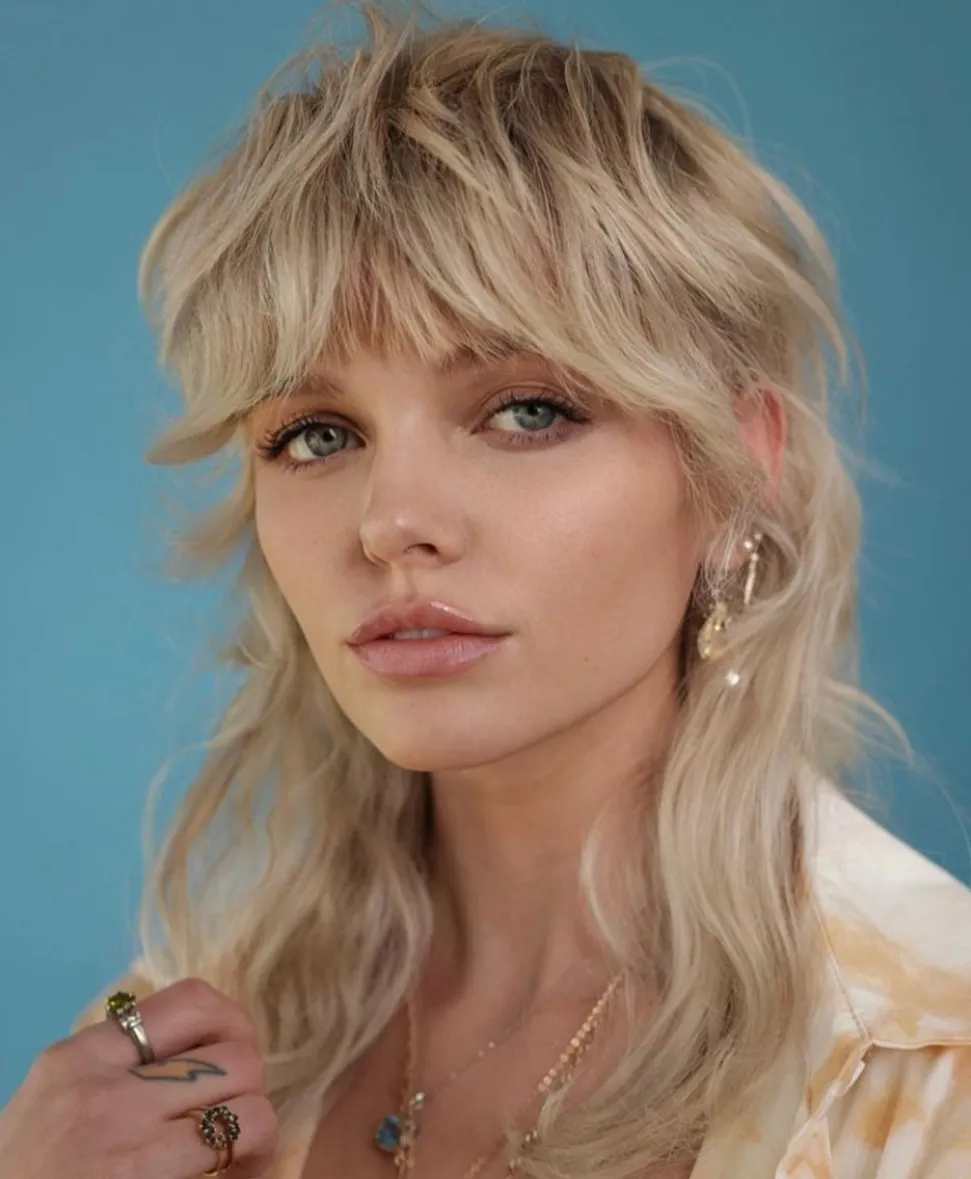
This is the gateway wolf cut. Soft shag layers in the front, visible length in the back, and nothing too extreme. It grows out well and works for people who want movement without feeling “too much.”
2. The Curly Wolflet
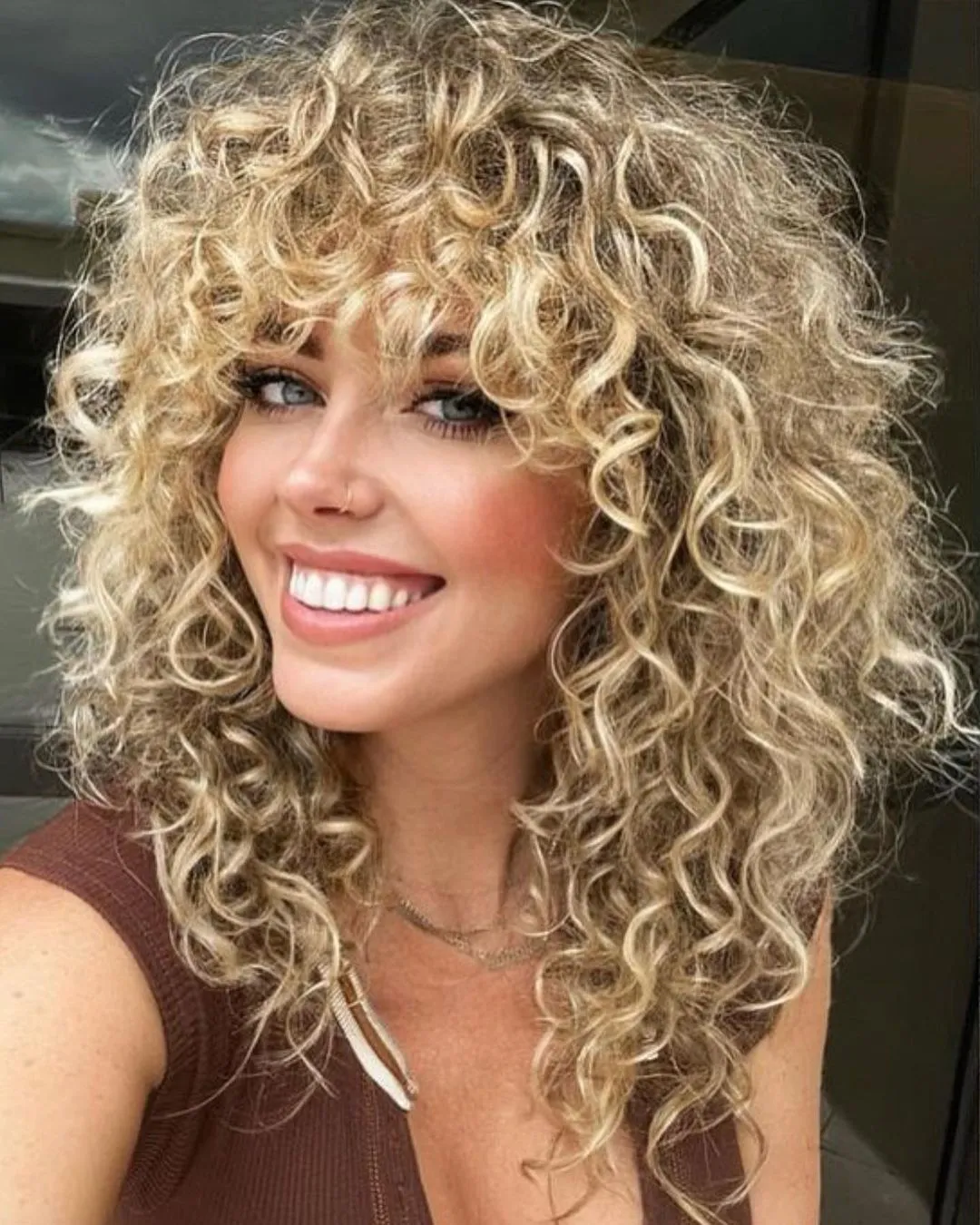
Designed for 2C–4C hair, this version uses shorter crown layers to avoid the dreaded triangle shape. Curls do the work here—no over-styling needed. The back stays long and springy, not weighed down.
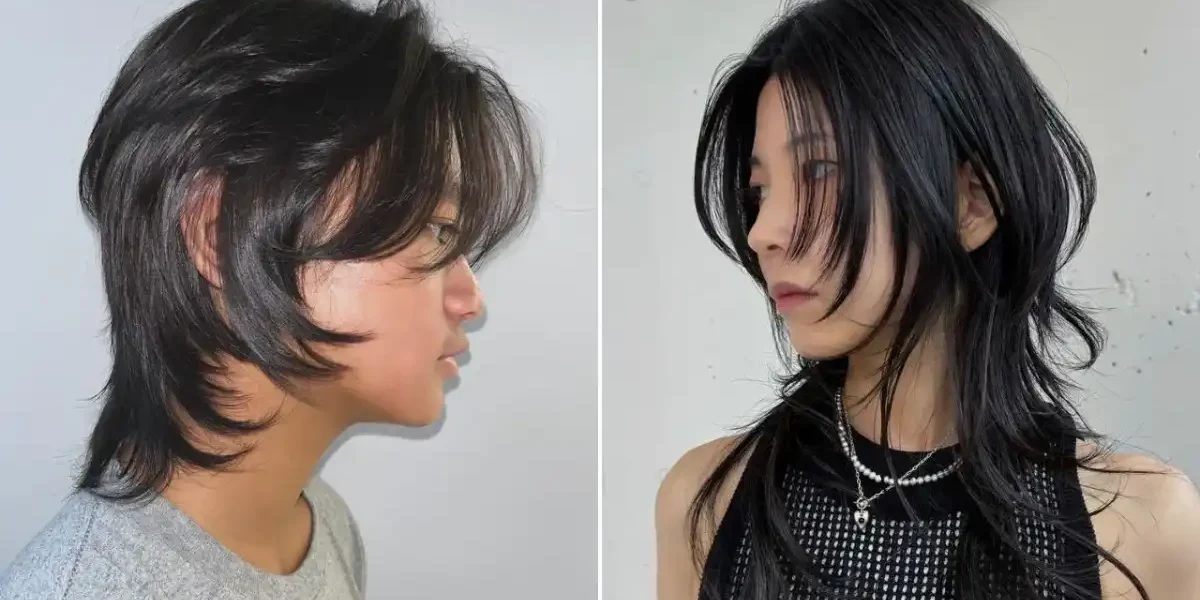
3. The Korean-Inspired Soft Wolf
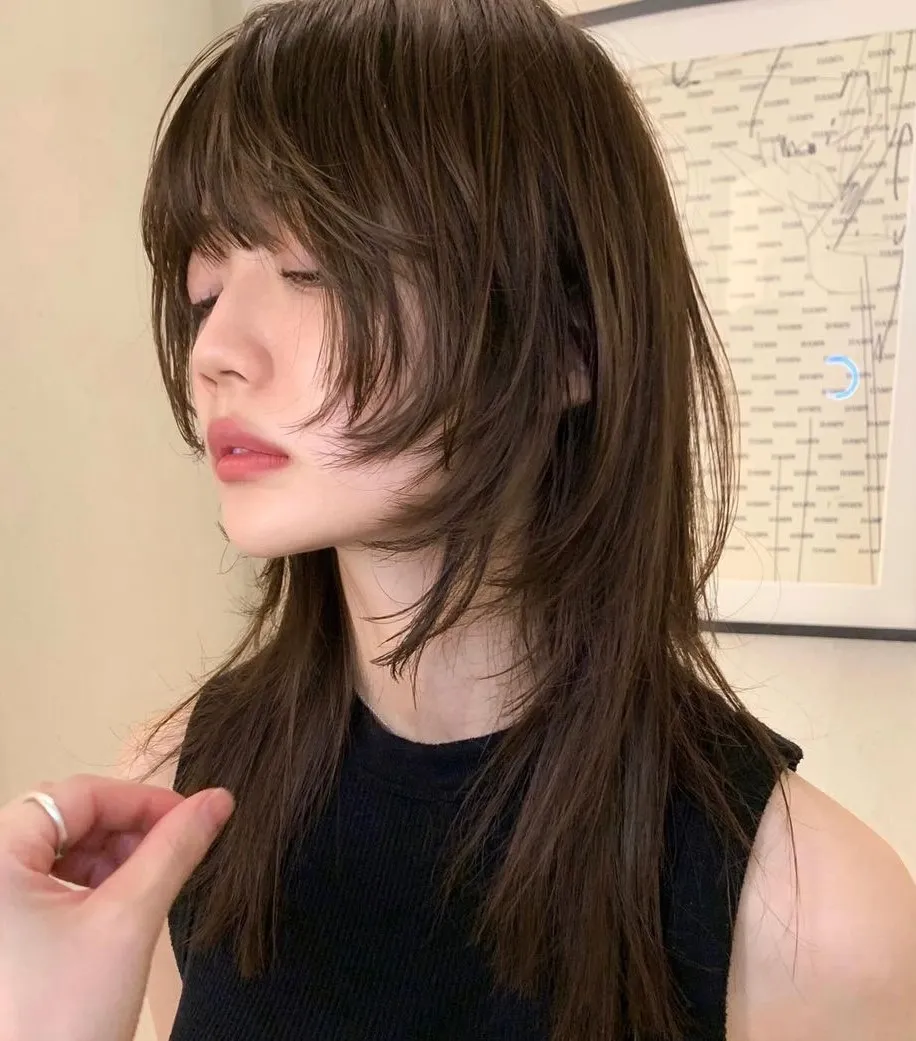
Less choppy, more feathered. This one’s polished but still cool. Think airy layers, wispy bangs, and volume that’s brushed rather than scrunched. It’s popular with people who want a wolf cut that still works in professional settings.
4. The Extreme Taper (Burst Fade Wolf)
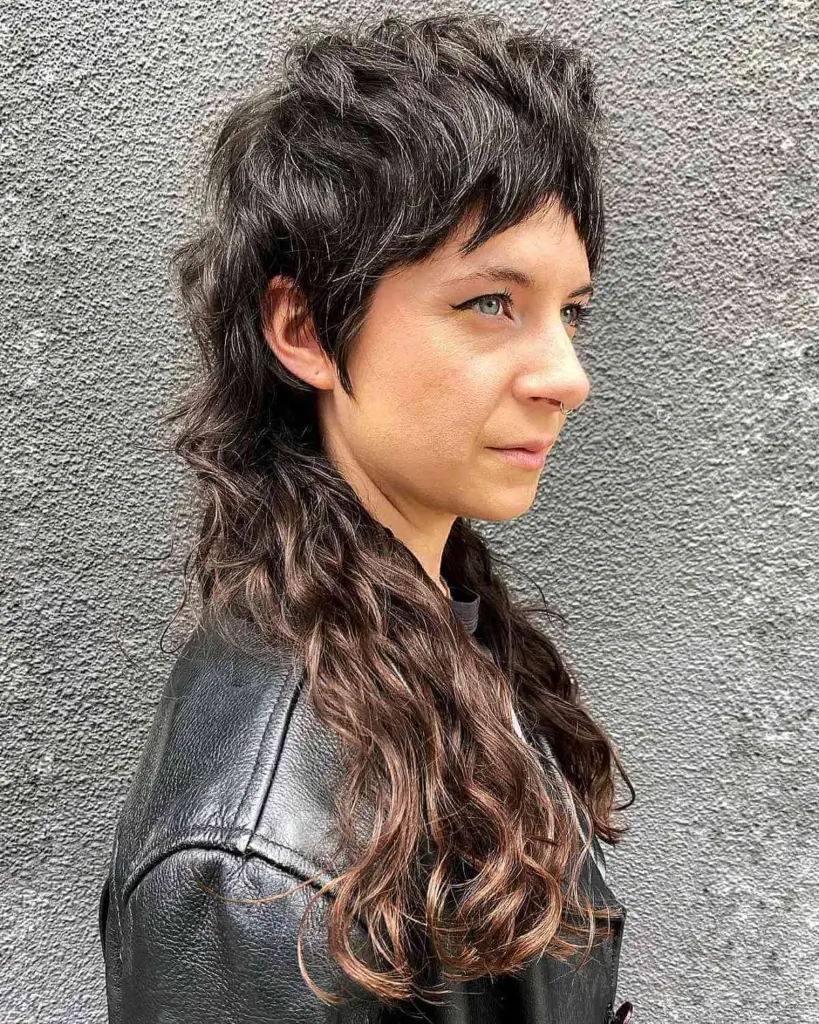
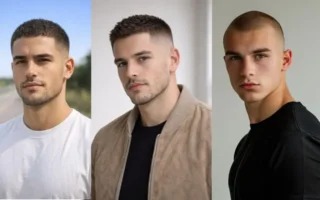
This version leans bold and masculine. Shaved or faded sides create a sharp contrast with the textured top and mullet back. It’s high-impact and not subtle—but that’s the point.
5. The Waterfall Wolf
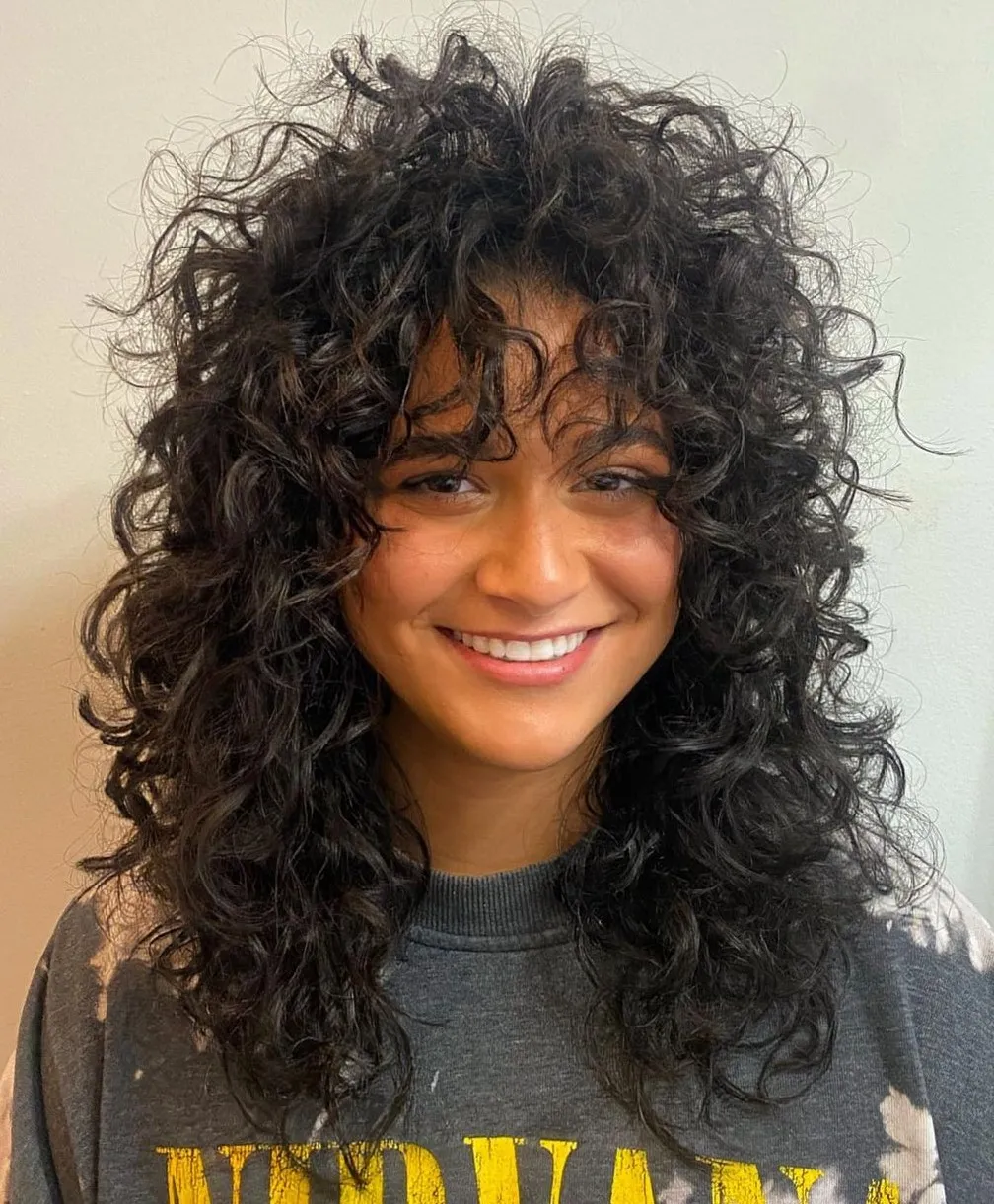
Made for long hair lovers. Instead of chopping length, the stylist creates cascading layers that start around the chin and flow downward. It keeps the drama without flattening the shape.
6. The Bixie Wolf
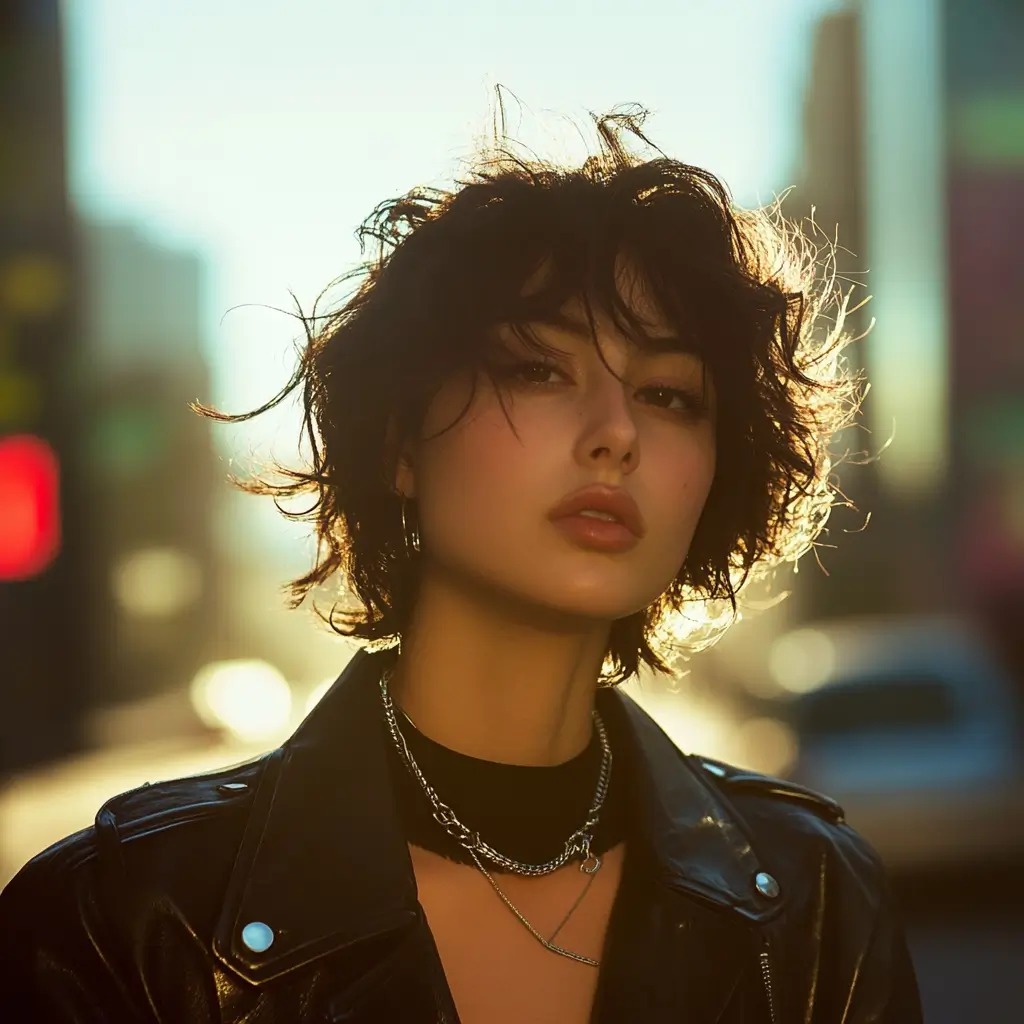
Short, punchy, and very 2026. This mix of bob, pixie, and wolf cut sits around the neck with major crown volume and flicked-out ends. Surprisingly low maintenance once styled correctly.
7. The Anime-Style Wolf Cut
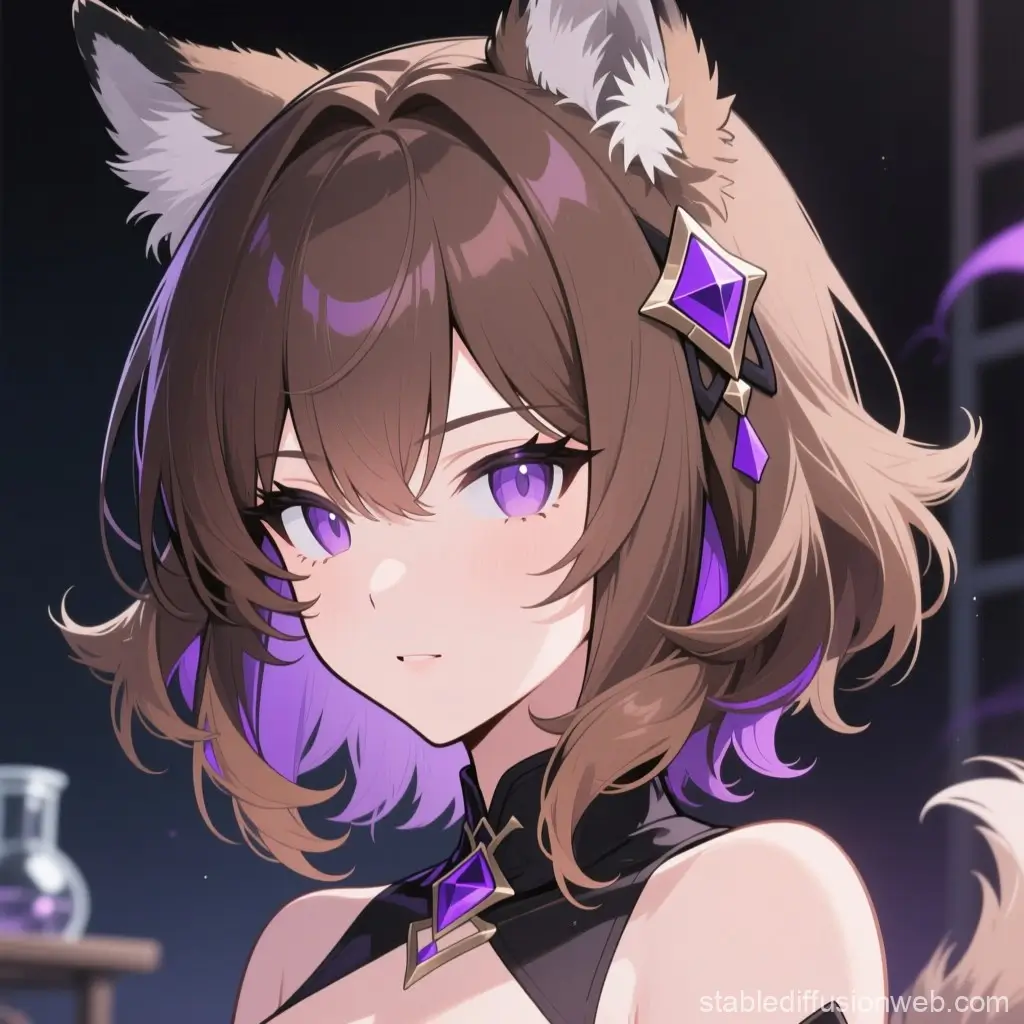
Razor-cut, piece-y, and very intentional. Sharp ends, longer sideburns, and often paired with blunt bangs. This one’s more editorial and works best on straight or slightly wavy hair.
8. The Bottleneck Wolf
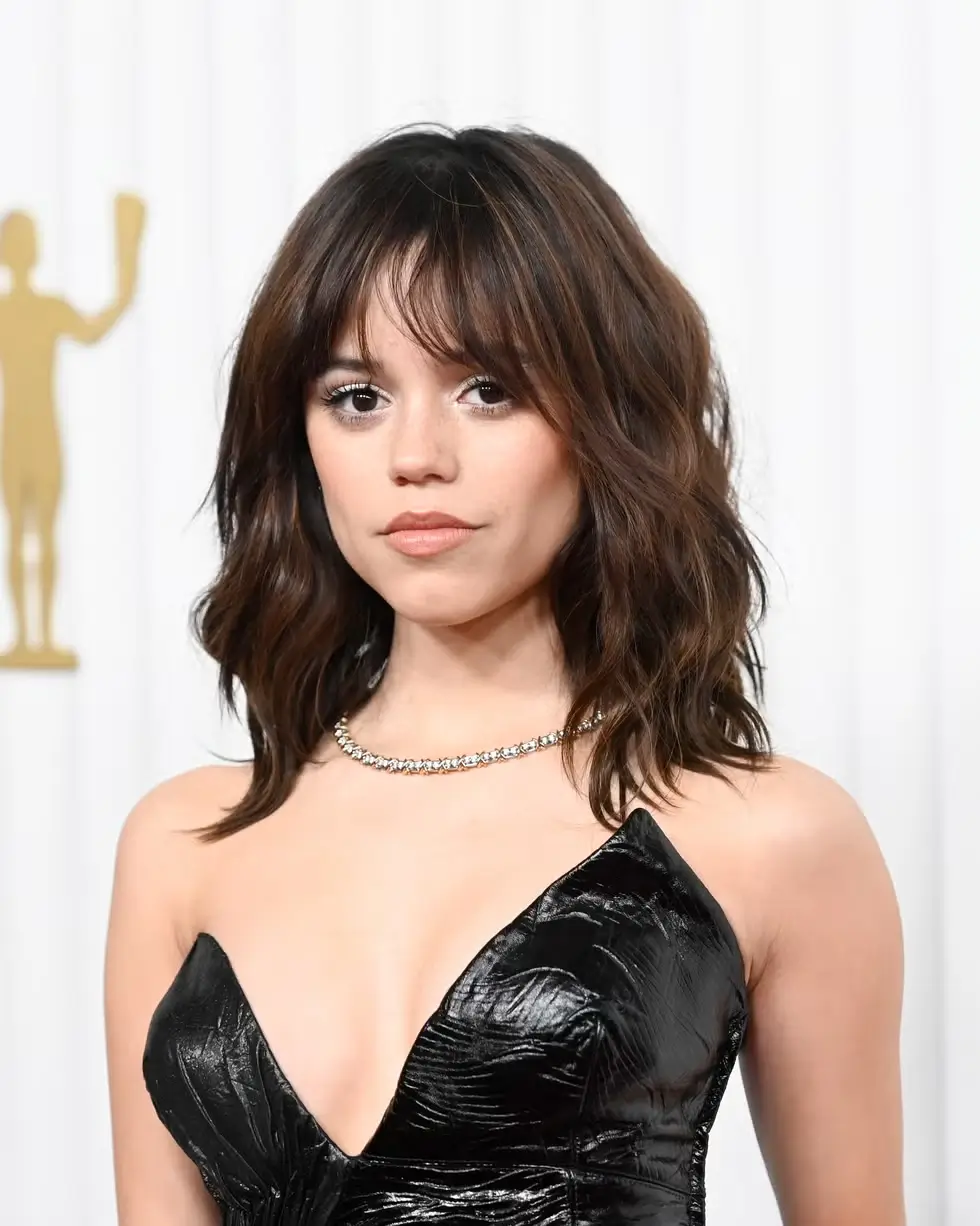
The fringe is the star here. Bottleneck bangs—narrow at the top, wider at the eyes—blend seamlessly into shaggy side layers. It gives strong 70s energy without looking dated.
9. The Two-Tone or Skunk Stripe Wolf
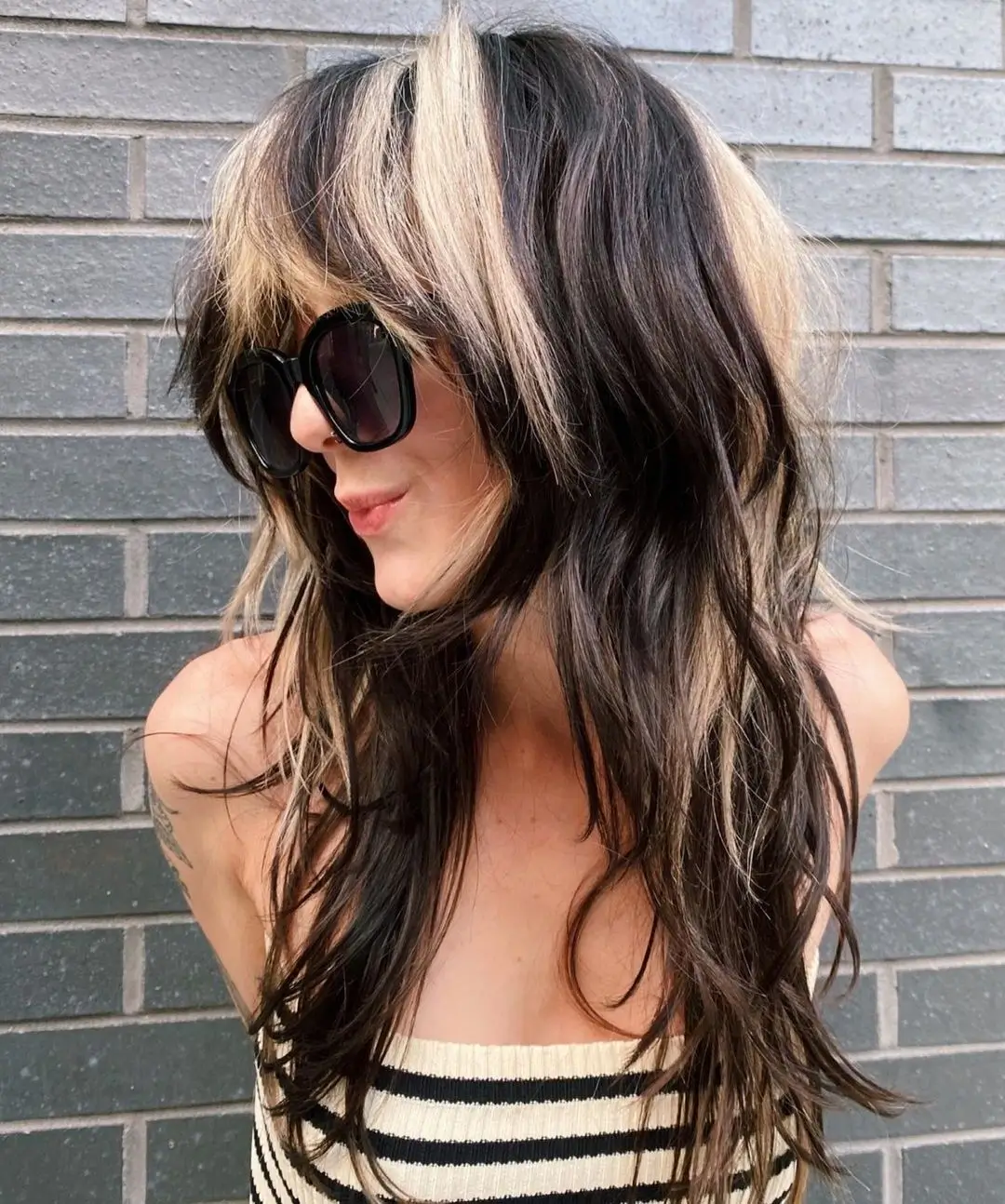
Shape meets color. High-contrast highlights emphasize the layers and depth of the cut. Platinum streaks against dark hair are especially popular because they make the texture pop.
10. The Micro-Fringe Wolf
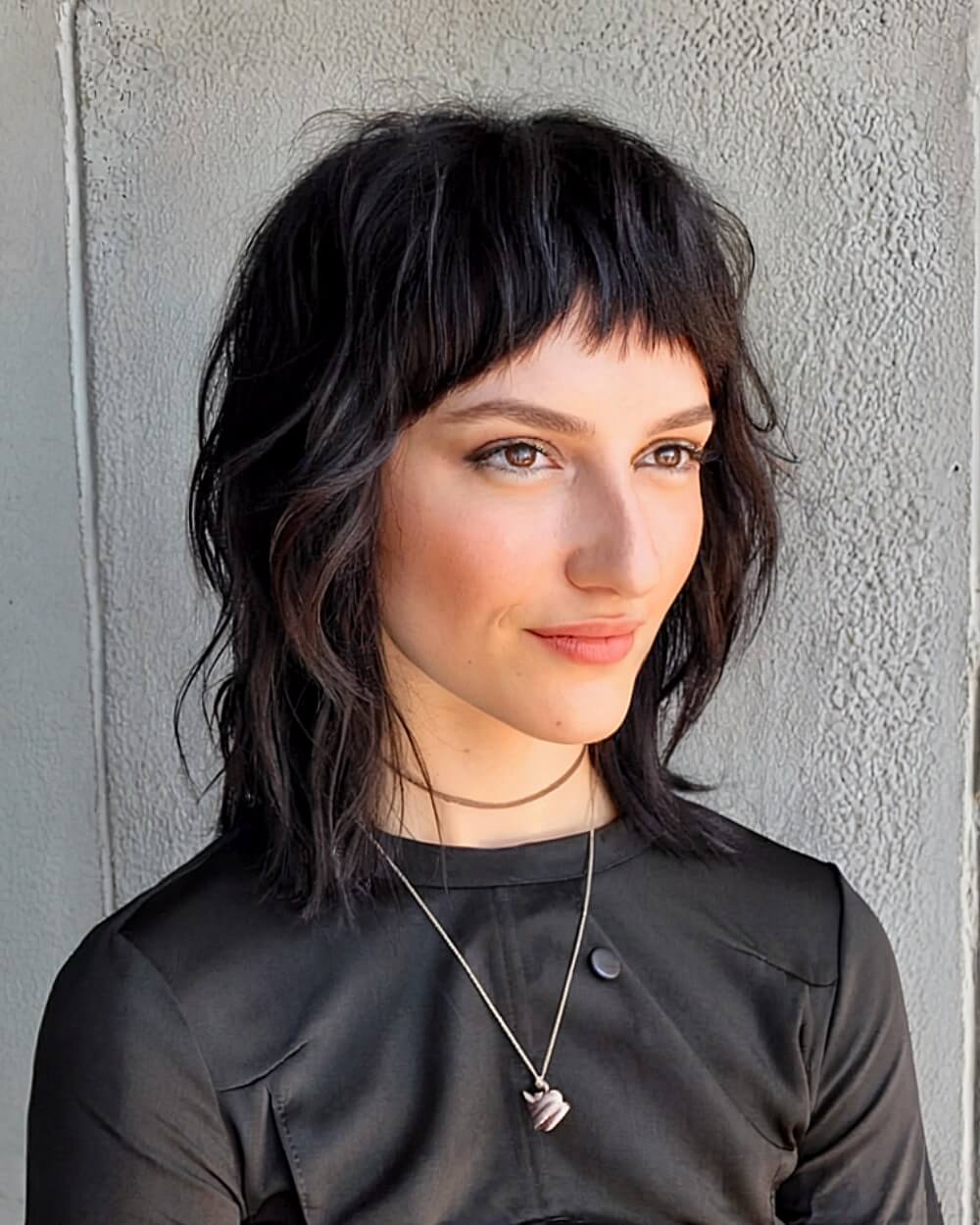
Not for the shy. Baby bangs paired with a wild mullet back create a dramatic frame around the eyes and brows. It’s edgy, artsy, and very intentional.
Choosing the Right Wolf Cut for Your Hair Type and Face Shape
This is where honesty matters. A wolf cut mullet can be flattering—but only when it’s adjusted to you, not copied straight from a photo.
Fine hair vs. thick hair
- Fine hair benefits from shorter crown layers to create volume. Too much thinning can make it look wispy.
- Thick hair needs internal debulking, especially in the back, or the mullet tail gets heavy fast.
Curly and wavy hair
Natural texture actually makes wolf cuts easier to wear. Diffusing instead of blow-drying keeps the shape soft and full. Curl pattern matters more than length here.
Face shape considerations
- Round faces look great with vertical layers and longer face-framing pieces.
- Square faces benefit from wispy layers around the jaw to soften angles.
- Long faces usually work best with bangs or heavier fringe to balance proportions.
A good stylist should adjust the cut—not just follow a diagram.
Styling, Maintenance, and Tools You’ll Actually Use
One of the biggest myths is that wolf cuts are “no maintenance.” They’re low effort, not zero effort.
Styling essentials
- Texturizing spray or sea salt spray for that lived-in finish
- Pomade or matte wax to define flicked ends and layers
- Diffuser attachment if you have waves or curls
You don’t need ten products. Two good ones beat a cluttered shelf.
How often to trim
Plan on a trim every 6–8 weeks. Waiting longer can make the shape collapse, especially at the crown. The good news? Wolf cuts forgive late appointments better than blunt styles.
Quick Comparison of Popular Wolf Cut Styles
| Style | Best For | Styling Tool |
|---|---|---|
| Bixie Wolf | Fine hair, small faces | Texture powder |
| Curly Wolflet | 3A–4C curls | Diffuser + curl cream |
| Soft Wolf | Work-friendly looks | Round brush + mousse |
| Extreme Taper | Edgy or masculine styles | Matte clay |
The Haircutting Techniques That Make or Break It
This is where most wolf cuts succeed—or fail. The style looks effortless, but it’s actually very technical. A stylist who understands layering will make this cut look cool for months. One who doesn’t… won’t.
Choppy layers and point cutting
Point cutting is what gives the wolf cut its signature shaggy ends. Instead of blunt lines, the hair is cut at angles to create separation and movement. This keeps the layers from stacking into a helmet shape.
Face-framing layers
These pieces are non-negotiable. They control how the cut interacts with your face shape. Shorter layers around the cheekbones create lift, while longer ones soften the jaw. When skipped, the cut loses its edge.
Disconnected layers
The top is intentionally shorter than the back. That contrast is what gives the wolf cut its shape. When everything blends too smoothly, it just becomes a long shag—and the mullet effect disappears.
Thinning shears (used carefully)
Thinning shears are usually applied in the back to reduce bulk without removing length. Overuse can make the ends stringy, but when done right, they keep the mullet tail light and flicky instead of heavy.
Why the Wolf Cut Mullet Is Everywhere Right Now
This haircut fits perfectly into the current trend cycle. It’s nostalgic without feeling costume-y, rebellious without being extreme, and flexible enough to work in real life—not just on Instagram.
K-pop idols helped reintroduce the softer wolf cut, especially versions with feathered layers and wispy bangs. TikTok did the rest. Suddenly, everyone wanted volume, texture, and a haircut that didn’t require daily heat styling to look good.
There’s also a bigger shift happening: people are moving away from ultra-blended, high-maintenance hair. The wolf cut mullet embraces growth, frizz, curl, and natural texture. It looks better a little undone—which is exactly why it feels so current.