I am Jessica Becker, Beauty and Fashion Consultant for Stylorica, and this is your deep dive into one of the most nostalgic cuts of all time: the 80s feathered mullet.
If you love big volume, soft movement, and a hint of rock-star rebellion, this guide will walk you through what the cut actually is, which celebrities made it iconic, and how to wear a modern version that still feels polished and current. If you are already into modern mullet hairstyles, you will recognise a similar structure here with a softer, feathered twist.
What Is An 80s Feathered Mullet?
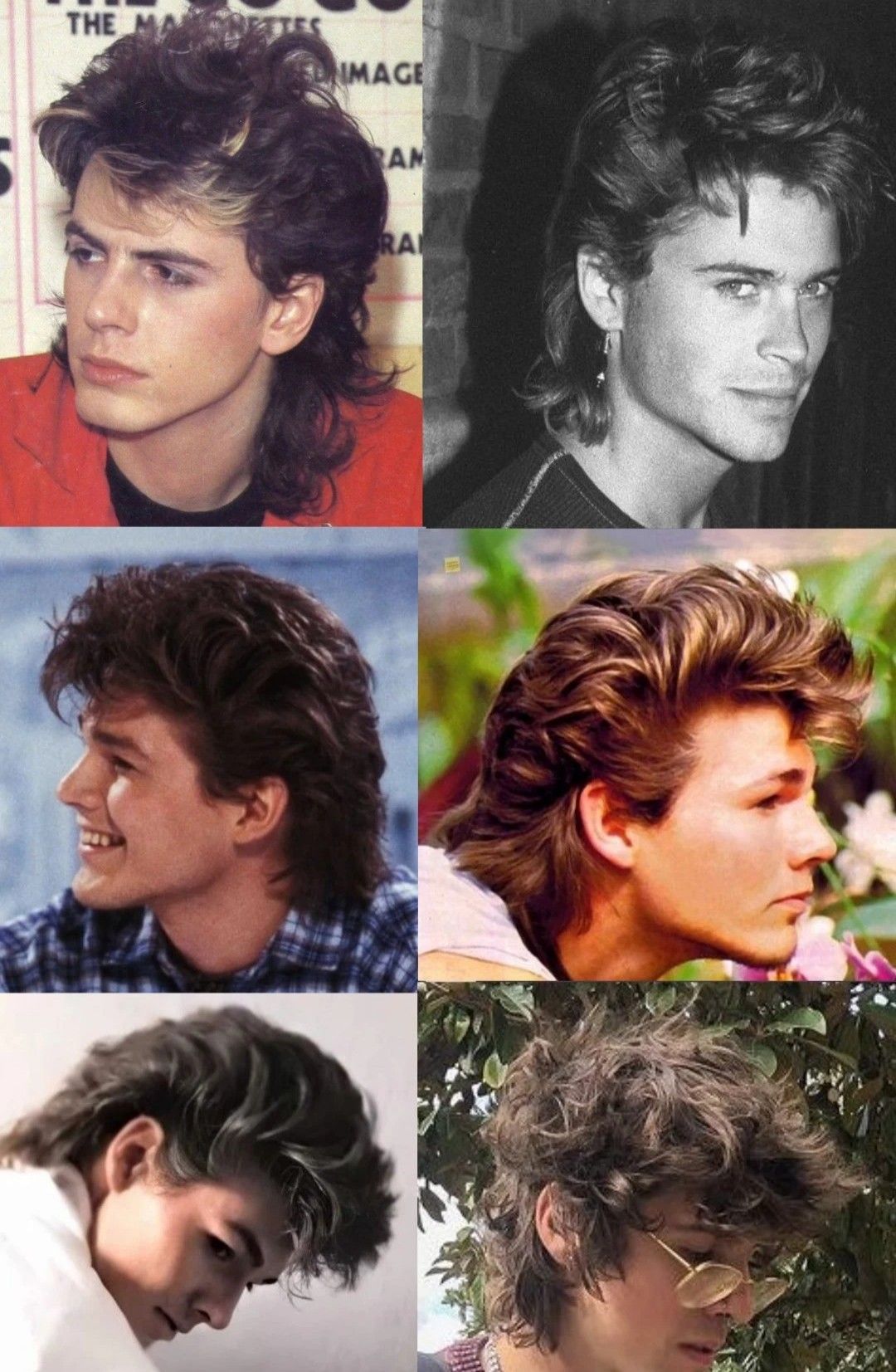
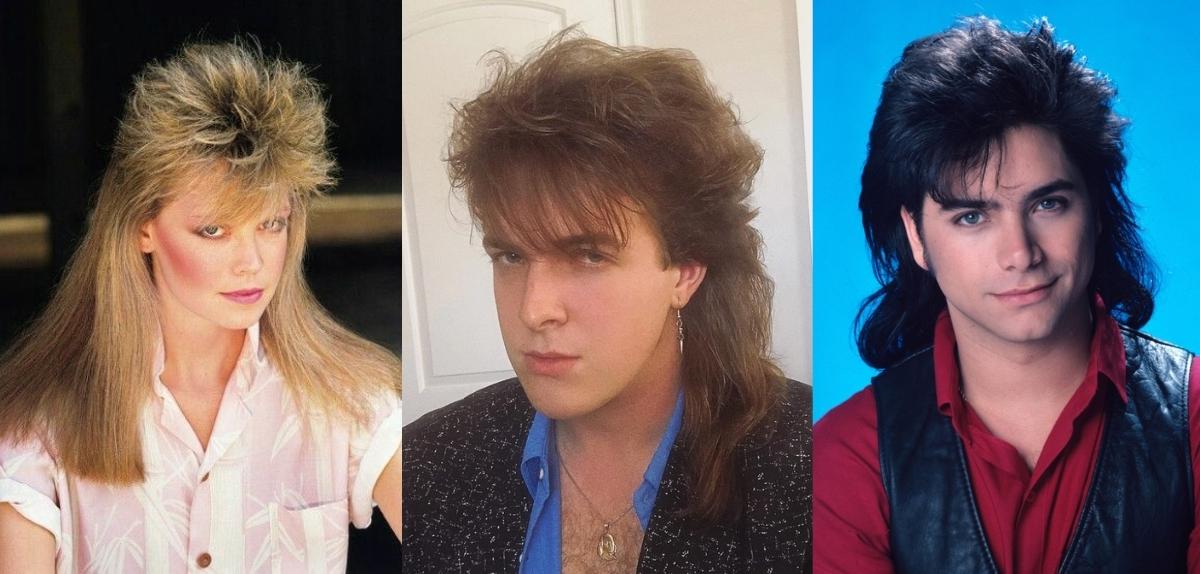
Let’s start with the basics. The classic mullet is a haircut where the hair is cut shorter at the front, top, and sides, while the back is left longer.
The 80s feathered version is a softer, more glamorous take on that structure:
- Shorter, layered top that creates lift and volume.
- Side layers that are cut and styled to flip away from the face.
- Longer back section that is heavily texturized so it moves instead of hanging in a solid block.
Think of it as a cross between a Farrah-style feathered blowout and a rock mullet, especially if you love the kind of texture you see in our permed mullet ideas guide. Feathered hair itself exploded in the late 1970s, when Farrah Fawcett’s winged layers became the blow-dry every salon client asked for, and that influence rolled neatly into the big, layered shapes of the 80s.
So if you picture soft wings at the sides, volume at the crown, and a long, flowing back, you are in the right place.
Why The Feathered Mullet Defined The 80s
By the 1980s, the mullet had moved from niche rock circles into mainstream pop culture across the US, UK, Europe, and Australia. Hair historians and fashion writers describe the mullet as an “inescapable symbol” of the decade, worn by everyone from Hollywood heartthrobs to country singers.
The feathered mullet sat perfectly in that moment:
- It worked with the era’s love for volume and hairspray.
- It allowed a “business in front, party in the back” contrast that matched the fashion of power suits and leather jackets.
- It looked dramatic on camera, which meant film, TV, and music videos pushed it out to millions of people at once.
In simple terms, if you were watching TV in the late 80s, you were watching mullets.
Celebrity Inspirations To Borrow From
When clients ask me for an 80s feathered mullet, I usually start by anchoring the conversation with a few familiar faces.
Patrick Swayze
Patrick Swayze’s mullet in movies and promo photos is a textbook feathered mullet: rounded volume at the crown, soft movement at the sides, and a longer back that still looks expensive, not scruffy. He wore multiple versions over the 80s and early 90s, all with airy layers rather than harsh, chunky steps.
John Stamos
On Full House, John Stamos wore what many stylists now call the quintessential 80s feathered mullet: heavy yet airy crown, feathered sides, and a long, layered back. Fashion and hair retrospectives regularly single out his look as a prime example of feathered 80s hair for men.
Rock, Pop, And TV Icons
From rock musicians to TV stars, the mullet moved across genres. Articles covering the “glory years” of the 80s point to names like Billy Ray Cyrus and Hollywood heartthrobs as key drivers of the look, reinforcing the idea that this was not just a subculture cut but a mainstream style.
George Clooney’s Sitcom Mullet
Even George Clooney has recently joked about his 80s mullet in TV interviews, describing how it evolved longer in the back and shorter at the sides as his early sitcom career progressed.
When you go to your stylist, it helps to say which “energy” you like most: romantic (Swayze), pretty and polished (Stamos), or unapologetically rock.
Who Does An 80s Feathered Mullet Suit?
The big misconception is that a mullet only works on a very specific person. In reality, a feathered version is surprisingly adaptable.
Hair Type
- Straight hair
Needs the most help from cutting and product. Layering at the crown and sides will create lift and movement, while feathered ends keep the back light. - Wavy hair
This is the “sweet spot” for a feathered mullet. Your natural bend will automatically create that winged, flicked-out shape once you add layers. - Curly hair
Works beautifully as long as the layering is controlled. In many cases you end up with a shag-mullet hybrid, which modern stylists often recommend as a wearable way to do a mullet on textured hair.
Face Shape
- Oval and heart
You can lean into height and dramatic wings at the sides. This is closest to the classic leading-man silhouette of the 80s. - Round
Focus on more height at the crown and slightly leaner sides to lengthen the face visually. - Square
Ask for softer layers around the cheekbones to blur the jaw and prevent the cut from feeling too boxy.
If you are unsure, ask your stylist for a “soft, layered mullet or shullet” so you get the shape without a harsh step between front and back.
How To Ask Your Stylist For An 80s Feathered Mullet
Stylists love clear language and good references. I always tell clients to bring two or three photos that feel close to what they want, then use simple, direct phrases like this:
“I want a soft feathered mullet with volume at the crown, shorter layered top and sides, and a longer back that still feels light and textured, not chunky.”
Useful technical points to mention:
- Shorter, rounded layers at the crown for height.
- Side layers that blend into the fringe so they can flip away from the face.
- A back section that stays longer but is heavily texturized at the ends.
- Preference for scissors and point-cutting or slide-cutting over aggressive razor thinning, unless your stylist is very comfortable with a razor.
If your day job is conservative, you can ask for a front that reads more like a classic layered cut and a mullet effect that really shows only from the profile and back.
Styling Routine For A Modern Feathered Mullet
Product technology has changed dramatically since the 80s. Modern styling sprays, mousses, and creams are designed to give hold and volume while caring for the hair with conditioning agents and heat protection, which is why you can recreate 80s size without 80s-level damage.
Here is a simple routine I use on clients:
1. Prep In The Shower
Choose a volumizing shampoo and a lightweight conditioner. Concentrate conditioner on mid-lengths and ends, keeping the root area as light as possible.
2. Build Volume At The Crown
On towel-dried hair, work a golf-ball sized amount of mousse or a volumizing foam into the roots at the crown and through the sides. Flip your head upside down while rough drying until the hair is about 70 percent dry. This sets your lift before you even touch a brush.
3. Create The Feathered Shape
Use a medium round brush or hot brush:
- Blow-dry the fringe and sides away from the face.
- Roll the ends out and back to create soft flicks rather than tight curls.
- In the back, direct sections slightly backward so the length flows instead of just hanging straight down.
4. Lock In Texture
Finish with a light texturizing spray through the mid-lengths and ends, and a flexible-hold hairspray at the roots if you want even more height. You are aiming for touchable volume, not a hard shell.
Modern Takes On The 80s Feathered Mullet
The mullet is not just a nostalgia cut. Trend reports from major beauty platforms show that it has properly resurfaced.
- Yelp’s 2022 Beauty Trend Forecast reported that searches for “mullet” were up by about 73 percent, signalling a strong comeback.
- A separate trends report from LookFantastic identified the mullet as the most searched haircut of 2022 with around 110,000 average monthly searches globally.
Today you will see several variations:
- Shag-mullet hybrid (shullet)
The front looks like a soft shag with curtain bangs, and the back holds a little extra length. This is ideal for anyone who wants texture without a sharp “two haircuts in one” contrast. - Wolf cut inspired mullet
Extra choppy layers and strong texture through the crown and mid-lengths, with the back left slightly longer. Stylists often recommend this for thicker, wavy or curly hair, and it is very close to the shapes we break down in our wolf cut mullet guide. - Soft faded mullet
Instead of extreme shaved sides, the sides are softly tapered into the feathered top. You still get the silhouette but with cleaner edges that work well for 2025. If you like a neater finish, you might also look at low taper mullets as a starting point.
Current reporting even shows mullets gaining popularity again among younger boys in the UK, often combined with burst fades or wolf-cut inspired shapes, which underlines how cyclical and adaptable this haircut really is (Source: The Times).
Color Ideas That Make The Layers Pop
Color is a powerful tool with a feathered mullet because it can emphasise the movement you are paying for.
- Soft highlights around the crown and sides create the illusion of more body and separation between layers.
- Two-tone or reverse ombré (deeper at the roots, lighter through the back length) reinforces that “party in the back” feeling without looking like a costume wig.
- Warm coppers and caramels pair beautifully with feathering, because the light bounces off the curves of each layer.
Ask your colorist to focus brightness on the surface layers and around the face so every flick and wave is visible.
Maintenance, Grow Out, And Common Mistakes
A feathered mullet needs shaping, but it does not require constant chopping.
- Plan on a trim roughly every 6 to 8 weeks to refresh the crown, rebalance the sides, and keep the back from getting too heavy.
- If you like a more undone look, you can stretch that slightly and treat it more like a shag.
Common mistakes I see:
- Over-thinning the ends
Too much razor work can make the back look wispy instead of feathered. You want softness with substance. - Ignoring the crown
If the crown layers are left too long, the hair collapses and you lose that signature 80s shape. - Choosing the wrong version for your lifestyle
If you rarely style your hair, ask for a softer, air-dry friendly cut that relies more on your natural texture and less on blow-drying.
Growing it out is not difficult if your stylist has a plan. Usually we shorten and blend the back while allowing the crown and sides to catch up, slowly turning the shape into a long layered cut or modern shag.
Final Thoughts: Making The 80s Feathered Mullet Your Own
The 80s feathered mullet is more than a retro joke. At its best it is:
- Flattering on straight, wavy, and curly hair when it is cut with intention.
- Highly customisable for different face shapes and lifestyles.
- Firmly back in the trend cycle, supported by real-world data on search behaviour and salon demand.
If you walk into the salon with clear references, use the language in this guide, and work with a stylist who understands layering and texture, you can have a cut that feels nostalgic in the best possible way and completely personal to you.
And if you ever need help matching your feathered mullet with grooming, outfits, or accessories, that is exactly what we do at Stylorica: turning a strong haircut into a full style story that actually fits your life.