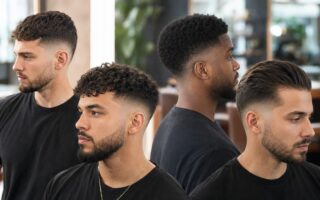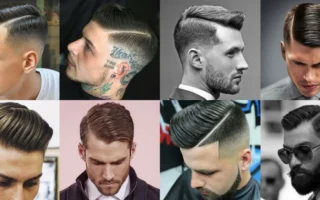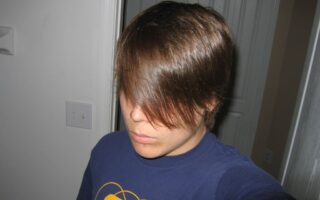
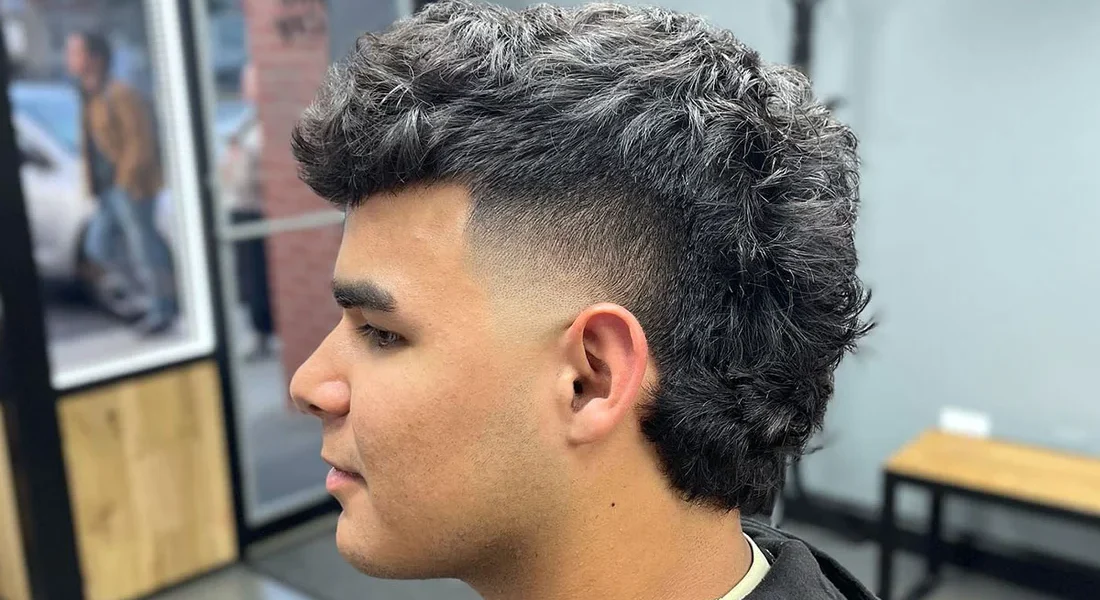
The mullet has staged one of the most unexpected comebacks in modern style. Once dismissed as an outdated relic of the 1980s, it now sits firmly in high-fashion editorials, street style, music culture, and professional grooming trends. What changed is not simply attitude. The haircut itself evolved.
Today’s modern mullet is engineered with precision. Skilled barbers apply architectural techniques such as internal layering, point-cutting, and weight distribution control to transform what was once a blunt haircut into a highly adaptable silhouette. The result is a style that can be subtle enough for corporate environments or bold enough for editorial runways.
From textured wolf cuts to burst fade athletic versions, the modern mullet blends technical craftsmanship with cultural influence. Celebrities like Paul Mescal and Jacob Elordi have normalized understated versions, while artists such as Miley Cyrus pushed the shag-mullet hybrid into mainstream fashion. Even the style lineage traces back to rock icons like David Bowie and Joan Jett, giving the cut a cultural pedigree rooted in rebellion and creativity.
This guide breaks down the structural science behind the haircut, explores 35 modern mullet styles, and explains how to maintain them with professional-grade tools and products.
Short and Tapered Modern Mullets
Short mullets emphasize structure and clean transitions. These cuts are ideal for people who want the mullet silhouette without dramatic length.
1. Burst Fade Mullet
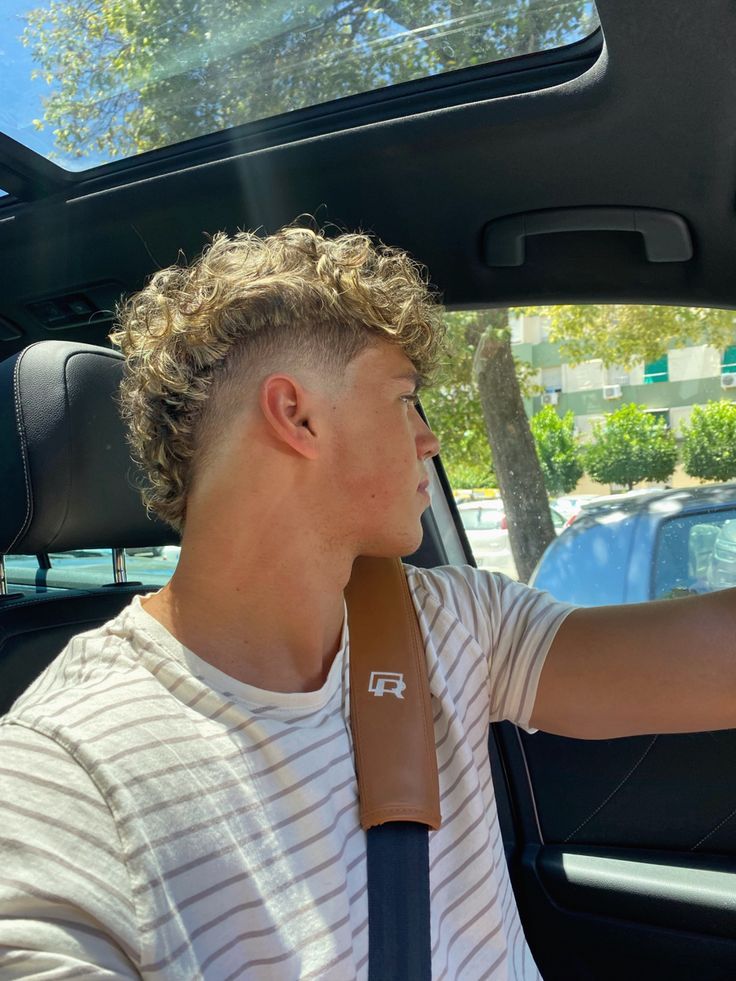
The burst fade mullet features a rounded fade around the ear that gradually blends into the longer back. The circular fade removes bulk in the transition zone, allowing the tail to appear more intentional. Barbers typically apply point-cutting along the nape to create natural separation. This style works well for athletes because the fade reduces heat and sweat buildup.
2. Taper Fade Mullet
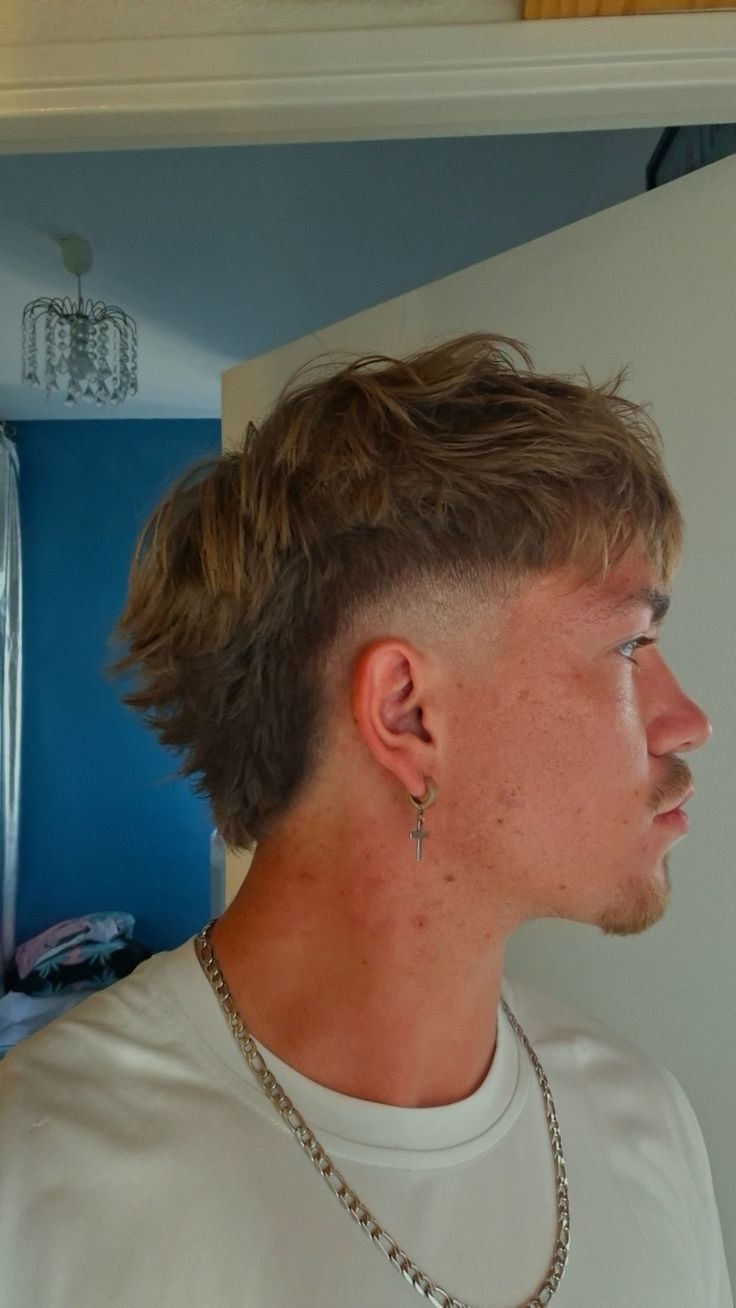
This version uses a low or mid taper that blends the sides into the neckline. Unlike the burst fade, the taper creates a linear transition rather than a circular one. The result is a cleaner, more conservative mullet that can easily pass professional dress codes. Crown volume remains moderate so the silhouette stays balanced.
3. Short Spiky Mullet
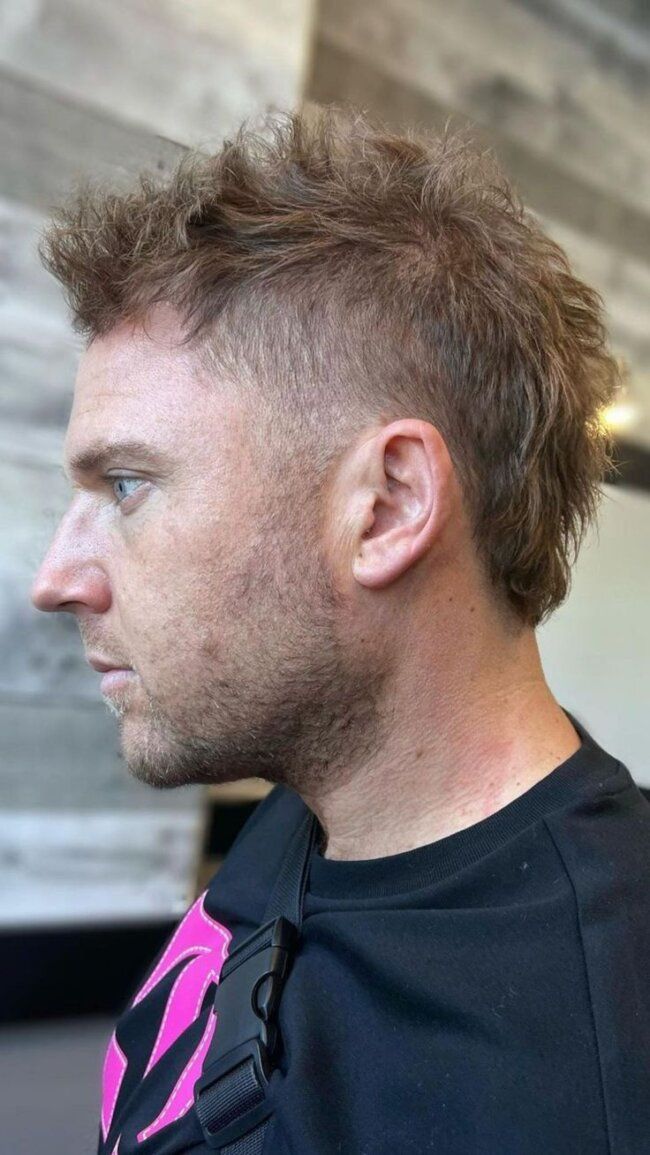
The short spiky mullet focuses on aggressive texture at the apex. Barbers often use point-cutting and razor texturizing to create spiked strands that lift away from the scalp. Matte clay or paste is used to define the spikes while maintaining a dry finish.
4. Modern Rat Tail
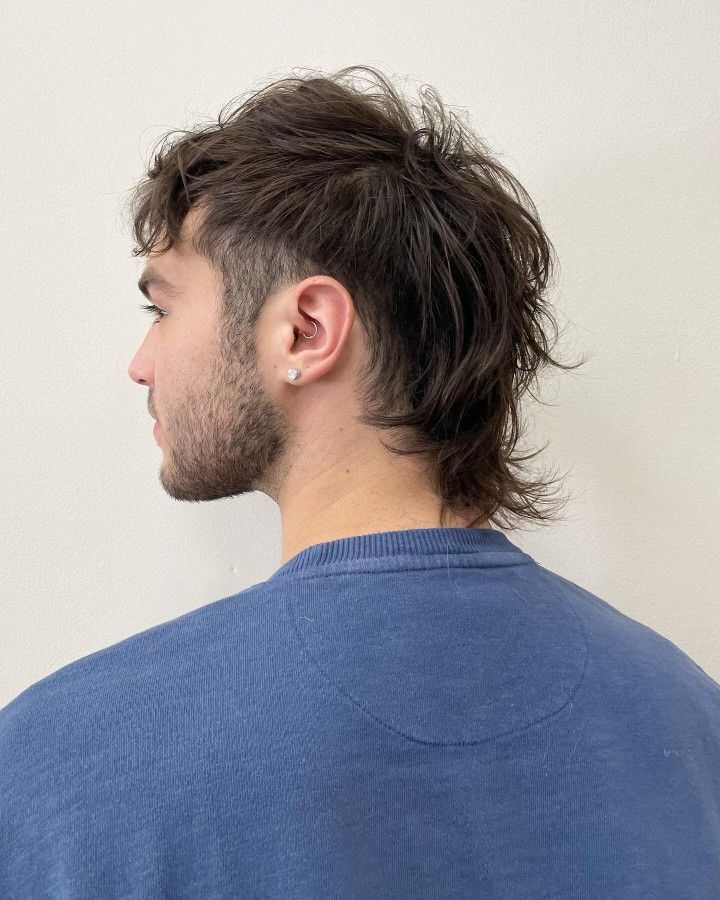
This cut pushes minimalism to the extreme. The head is typically buzzed or faded short while a single strand of hair extends from the nape. The contrast is the defining element. While polarizing, the style has seen renewed popularity among younger trendsetters and fashion-forward streetwear communities.
5. Temple Fade Mullet
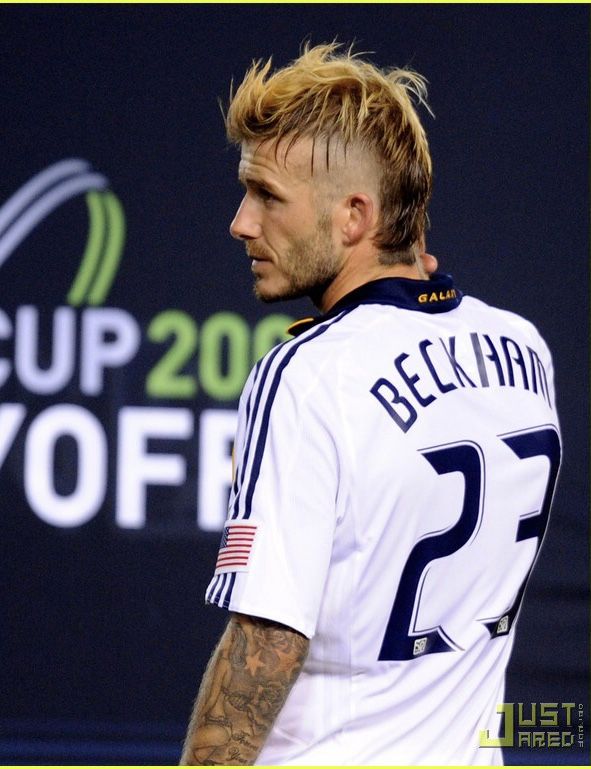
The temple fade mullet removes hair around the temples while maintaining volume across the crown. This technique sharpens the perimeter outline of the haircut, creating a structured look that frames the face. It is a good choice for people with thick hair because it eliminates weight around the sides.
6. Buzz Cut Mullet
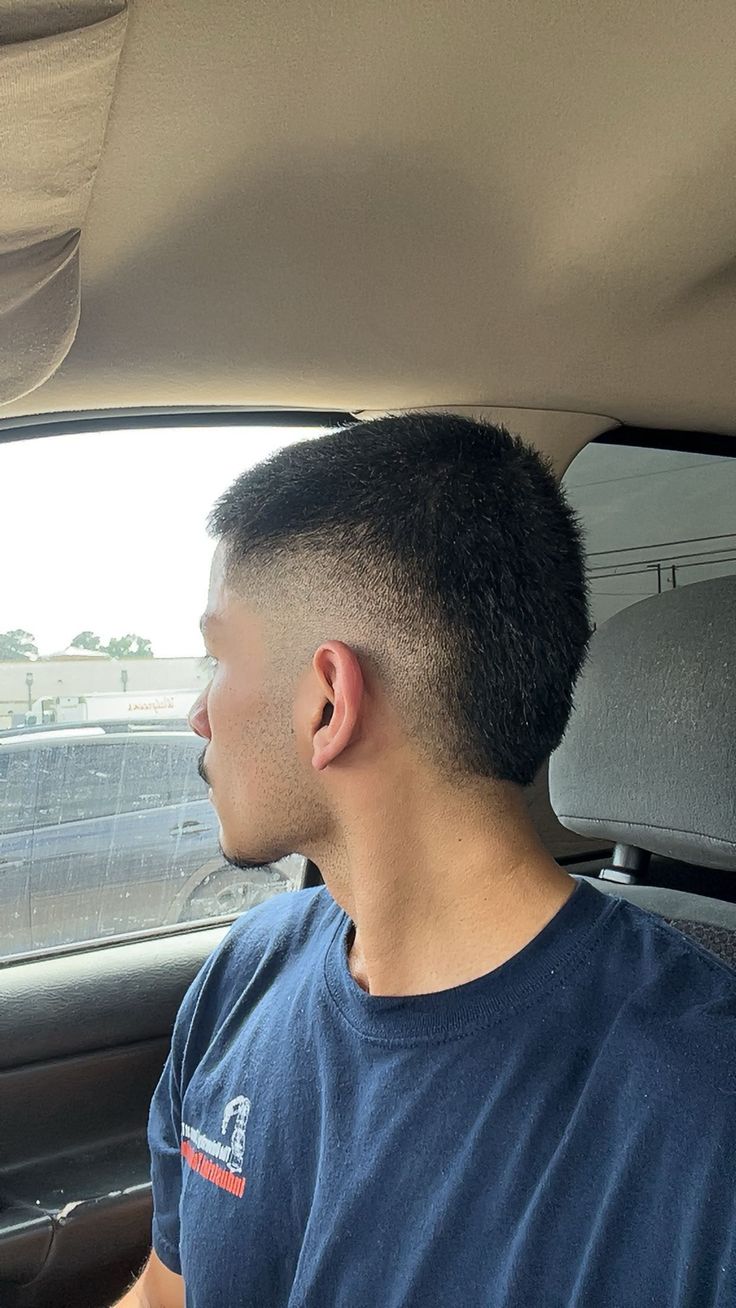
The buzz cut mullet relies on dramatic contrast. The top and sides are clipped extremely short while the lower nape retains surprising length. The visual impact comes from the abrupt shift in weight distribution along the neckline.
7. Mini Mullet
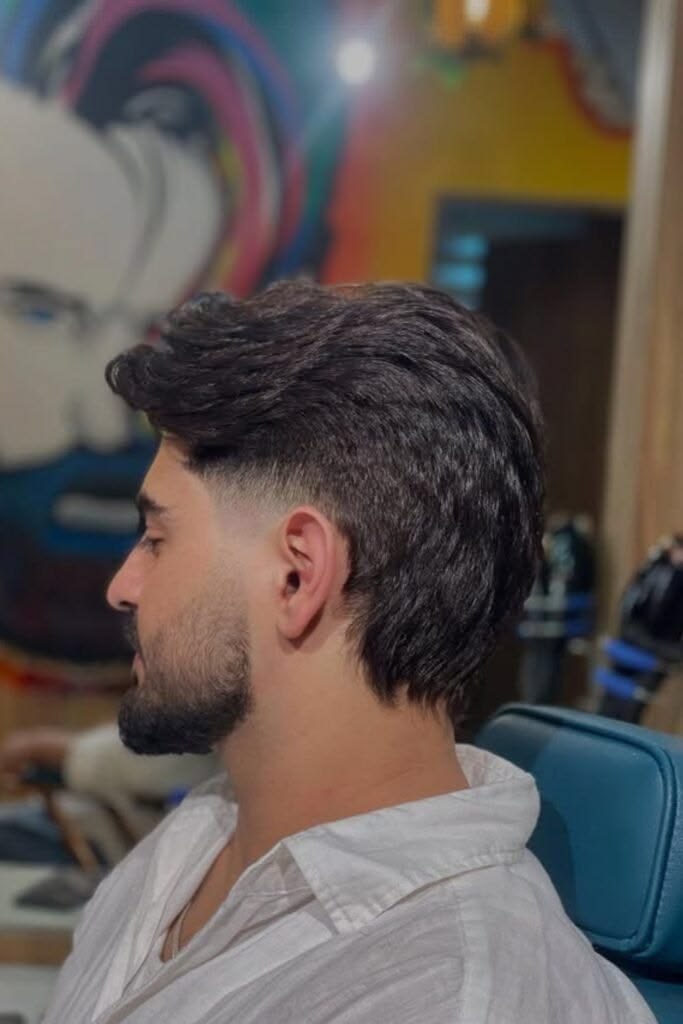
The mini mullet is a subtle interpretation designed for beginners. The back length usually extends only one or two inches past the neckline. Internal layering removes bulk so the cut blends naturally with the top.
Textured and Shaggy Mullets
Texture is the defining feature of these mullets. They rely on internal layering and strategic point-cutting to create movement.
8. The Wolf Cut
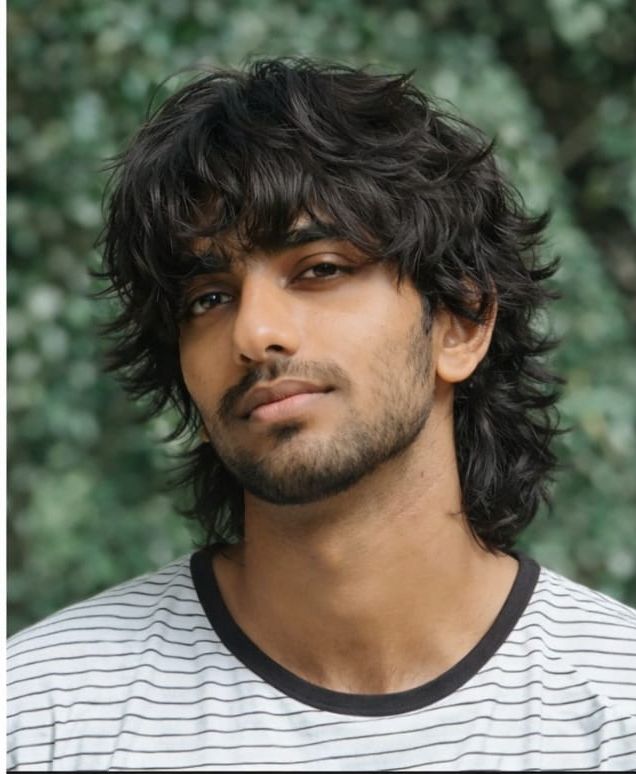
The wolf cut is perhaps the most famous mullet variation today. It merges the volume of a shag haircut with the extended nape of a mullet. The apex carries significant lift while the sides feature heavy layering that frames the face. Texture powder and sea salt spray are commonly used to enhance separation.
9. Curly Mullet

The curly mullet celebrates natural texture. Instead of fighting curls, the haircut works with them by layering the crown and back. The goal is to create height at the top while allowing ringlets to bounce freely in the tail.
10. Wavy Shag Mullet
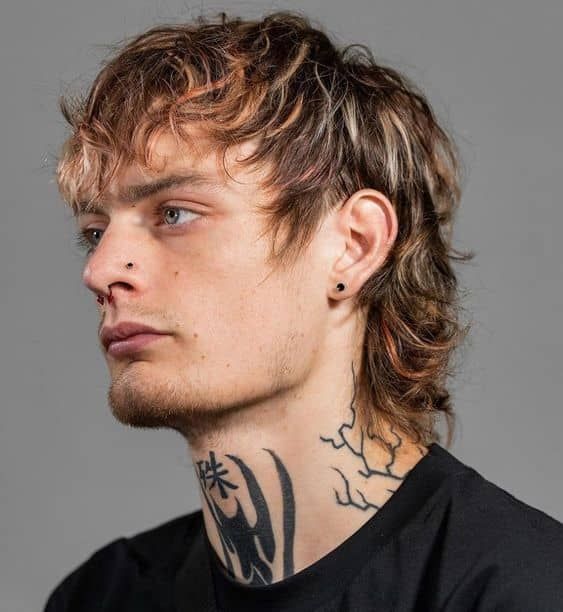
This variation produces a relaxed beach aesthetic. Barbers rely on point-cutting and razor techniques to soften the edges. Styling typically involves sea salt spray to encourage natural wave formation.
11. Permed Mullet
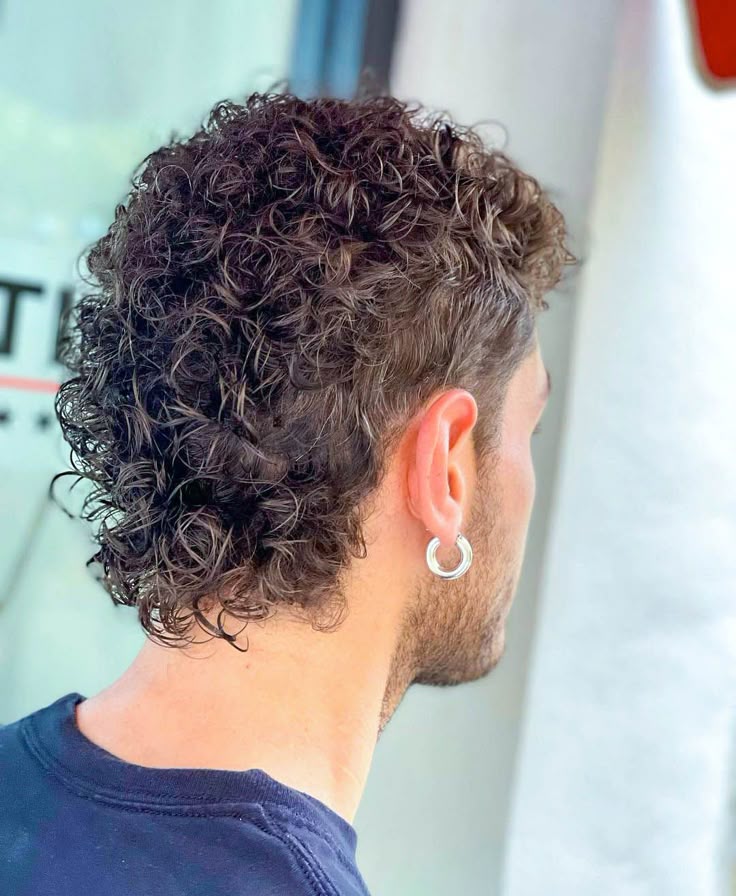
For people with straight hair, a perm introduces controlled curls. Chemical processing adds volume and texture throughout the crown and tail. This style has become popular among younger clients who want dramatic movement without daily styling.
12. Choppy Layered Mullet
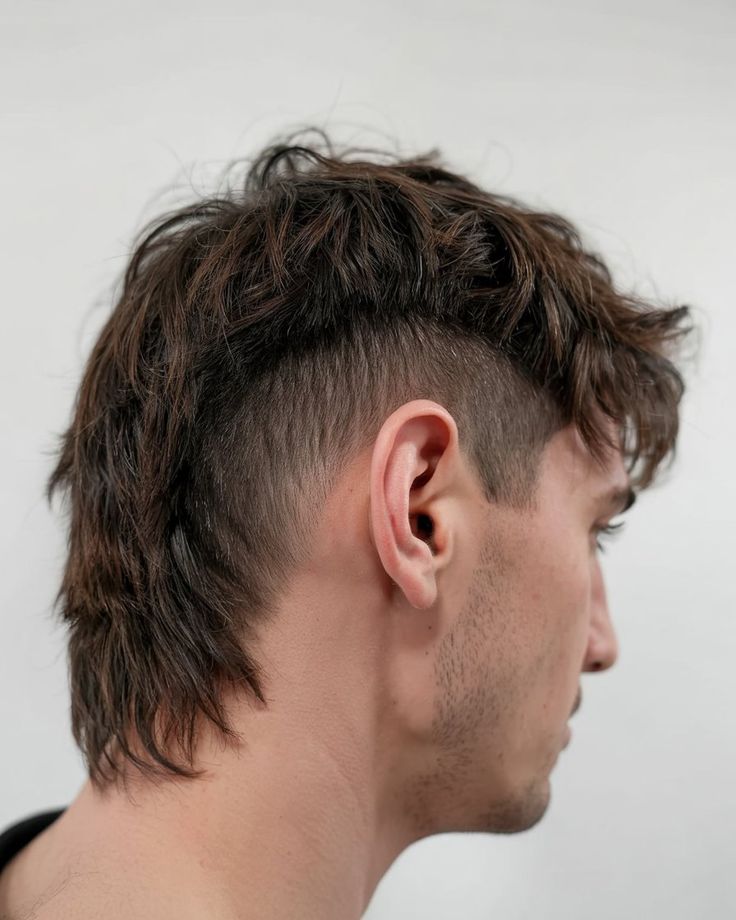
The choppy layered mullet features aggressive, uneven sections cut at varying angles. The irregular layering creates a punk-inspired aesthetic. The haircut looks best when styled with matte paste to accentuate the jagged edges.
13. Mullet with Fringe
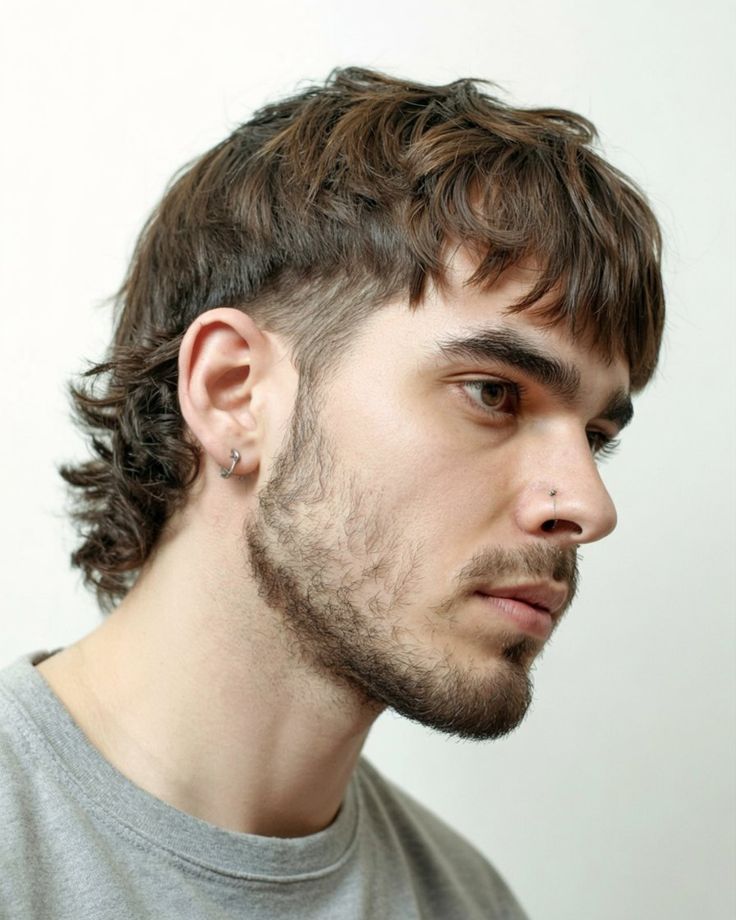
This version combines a heavy straight fringe with the longer back. The blunt bangs frame the forehead while the tail introduces contrast. The technique works particularly well with thick hair because it maintains structure.
14. Shullet
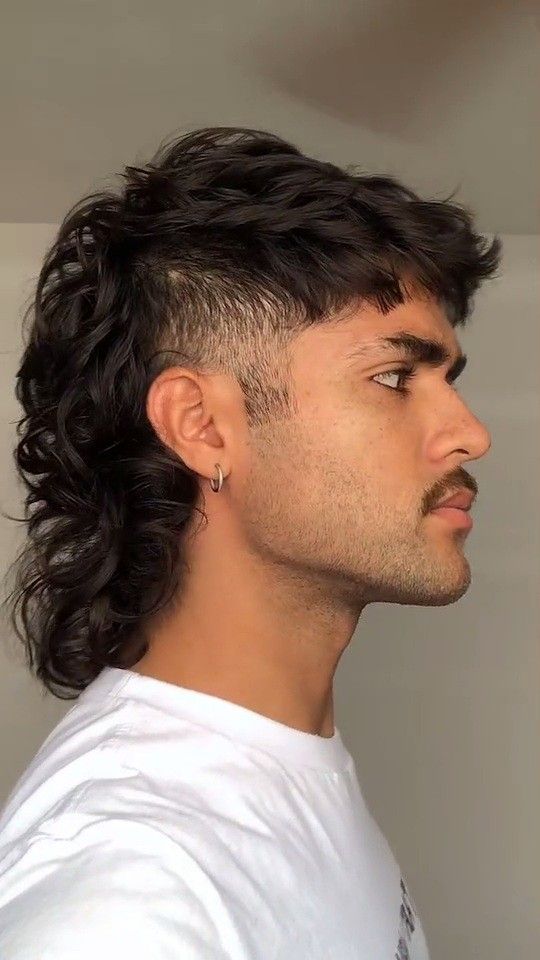
The shullet is a hybrid between a shag and a mullet. The transitions are softer and the layering is more blended. Because the weight line is reduced, the haircut appears less dramatic and more wearable for everyday environments.
Bold and Edgy Mullets
These mullets push the boundaries of hair design. They rely on strong contrast, geometric cuts, or color to create visual impact.
15. Euro Mullet
The Euro mullet features a blunt fringe paired with very short tapered sides. The crown remains relatively flat while the back retains thick length. The geometry creates a striking, fashion-forward silhouette often seen in European street style.
16. Mohawk Mullet
This style merges the mohawk and mullet. A strip of hair runs along the center of the head while the sides are shaved or faded. The tail extends beyond the neckline, producing a dramatic profile.
17. Mullet with Undercut
The undercut version disconnects the sides from the longer top and back. The abrupt separation highlights the contrast between shaved scalp and flowing hair.
18. Bleached Mullet
Bleaching the hair amplifies texture because lighter colors reflect light differently. Platinum tones reveal individual strands and layers, making the haircut appear more detailed.
19. V-Cut Mullet
The V-cut mullet shapes the back hair into a sharp point. Barbers use precise perimeter outlining to achieve the symmetrical V shape. The result feels dramatic and sculptural.
20. Geometric Mullet
This variation incorporates angular shapes and layered steps. The haircut often features square or triangular sections that create a futuristic appearance.
21. Skullet
The skullet combines a shaved or balding crown with long hair at the back. While unconventional, it has gained popularity among fashion designers and alternative communities.
Long and Flowing Mullets
These mullets emphasize length while controlling bulk through strategic layering.
22. Nape-Length Mullet
The nape-length mullet ends just below the neckline. It maintains a classic silhouette while remaining easy to manage. The cut typically includes subtle layering for movement.
23. Shoulder-Length Mullet
This dramatic version extends to the collarbones. To avoid heaviness, barbers incorporate internal layers that distribute weight across the back.
24. Layered Long Mullet
The layered long mullet keeps the tail lengthy but prevents bulk. Internal layering ensures the hair flows naturally rather than appearing dense.
25. Sleek Straight Mullet
Flat-ironed hair creates a polished appearance. The sharp contrast between the short front and long back becomes more visible when the hair is straightened.
26. Braid-Detailed Mullet
This creative style integrates small braids into the sides or back. The braids add texture and visual interest while maintaining the overall mullet structure.
Alternative and Creative Mullets
These styles experiment with color, asymmetry, and unconventional proportions.
27. Micro-Bang Mullet
The micro-bang mullet pairs extremely short fringe with a long back. The dramatic contrast emphasizes the forehead and creates a fashion editorial look.
28. Mullet with Hair Tattoo
Shaved patterns or lines are carved into the faded sides. These designs enhance the haircut’s individuality and often reflect personal style or cultural symbols.
29. Two-Tone Mullet
Two-tone coloring separates the front and back sections. For example, the crown might remain dark while the tail is dyed neon green or platinum.
30. Asian-Style Mullet
This variation gained popularity through K-pop culture. The haircut uses soft layering and airy texture to create a delicate silhouette.
31. Pompadour Mullet
The pompadour mullet elevates the front section dramatically. The crown is styled upward and backward while the tail remains long.
32. Side-Swept Mullet
Instead of symmetrical styling, the hair is swept to one side. The asymmetry adds movement and frames the face differently.
33. Soft Blended Mullet
This variation minimizes contrast between the sections. The sides gradually blend into the back, making the mullet appear almost like a traditional layered haircut.
34. Mullet with Sideburns
Long, pointed sideburns extend toward the jawline. The detail adds retro character while visually connecting the front and back sections.
35. Feathered Mullet
The feathered mullet draws inspiration from 1970s rock hairstyles. Layers are cut so the ends flick outward away from the face, creating movement and volume.
The Technical Structure Behind a Modern Mullet
What separates a contemporary mullet from its 1980s predecessor is technical precision. Professional barbers now approach the cut with the same geometric discipline used in architectural hair design.
The Weight Line
The weight line is where the shorter sides meet the longer back. Traditional mullets left this line bulky. Modern versions debulk this area through internal layering and tapering. The goal is a smooth transition rather than a shelf of hair behind the ears.
The Transition Zone
The transition zone sits directly behind the ear. In a classic mullet, this section remained long. In modern versions it is often faded or tapered, creating a cleaner silhouette that looks intentional rather than retro.
Point-Cutting for Texture
Point-cutting uses angled scissors to create jagged ends rather than blunt lines. This technique produces movement and natural separation that define wolf cuts, shag mullets, and textured variations.
Apex and Crown Volume
The apex refers to the highest point of the head where volume sits. Proper crown lift balances the longer tail. Without this height, the silhouette becomes flat and heavy.
Weight Distribution Curve
Modern barbers analyze how hair mass sits along the back. Too much bulk near the nape creates a heavy appearance, while too little produces the dreaded rat-tail effect. Balanced layering ensures the tail flows naturally.
Sectioning Ratios
A common professional guideline uses a 70 percent top to 30 percent side ratio. This maintains enough volume on top while keeping the sides sharp.
Over-Direction
Hair is pulled forward when cutting the back layers. This technique preserves length while allowing internal texture.
How Culture Revived the Mullet
The haircut’s resurgence was not accidental. Cultural figures reshaped the perception of the mullet.
Actors Paul Mescal and Jacob Elordi demonstrated how subtle mullets can look polished rather than rebellious. Their understated versions often appear in editorial fashion spreads.
Meanwhile Miley Cyrus helped popularize the shag-mullet hybrid for women, bringing the style into mainstream pop culture.
Music also played a role. Country artist Morgan Wallen embraced a high-volume southern mullet that resonated with fans across the United States.
These modern icons connect to a historical lineage. Rock legends David Bowie and Joan Jett both wore early mullet-like cuts in the 1970s, proving the style always had a rebellious fashion pedigree.
Essential Products for Styling a Modern Mullet
Maintenance is critical. Without proper products, even a well-cut mullet can look messy rather than intentional.
Sea Salt Spray
Sea salt spray creates natural separation and grit. It enhances waves and texture while preventing the hair from appearing flat.
Matte Clay or Paste
Matte clay defines fringe and crown layers without creating the greasy shine associated with older hairstyles.
Texture Powder
Texture powders use silica silylate particles to lift hair at the roots. They provide dry volume without the heaviness of wax products.
Leave-In Conditioner
The longer tail requires hydration to prevent split ends. Leave-in conditioners protect the hair from dryness and environmental damage.
Anti-Humidity Sealants
Humidity can transform textured mullets into frizz. Anti-humidity products create a protective barrier that preserves structure.
pH-Balanced Cleansers
Balanced shampoos protect the hair cuticle while maintaining softness in the longer sections.
Professional Tools for Styling a Modern Mullet
Hair tools significantly influence how the style looks day to day. Professional dryers with specialized attachments improve texture and protect hair health.
Luxury Precision Tools
- Dyson Supersonic Nural – Intelligent scalp protection adjusts heat levels to prevent damage.
- Dyson Supersonic r – Lightweight professional dryer with smart attachment memory.
- GHD Helios – Aeroprecis airflow technology lifts hair at the roots for strong crown volume.
Performance Value Options
- Shark SpeedStyle Pro Flex – Includes a defrizzing diffuser ideal for curly mullets.
- Shark HyperAIR – IQ concentrator provides both precision drying and pre-styling airflow.
- Philips 8000 Series – ThermoShield sensors maintain natural hair strength.
Budget Professional Tools
- Ikonic Pro 2100+ – Salon-level power at an accessible price.
- AGARO HD-1120 – Includes both concentrator and diffuser attachments.
Common Mistakes That Ruin a Modern Mullet
- Over-thinning hair instead of texturizing.
- Ignoring natural growth patterns and cowlicks.
- Allowing excessive bulk at the weight line.
- Failing to maintain crown volume.
- Using glossy pomades that create an outdated appearance.
Barbers emphasize that texturizing shears should be used carefully. Excessive thinning leads to frizz and weak hair structure.
Final Thoughts
The modern mullet is no longer a novelty haircut. It represents a technically refined style built on balance, geometry, and texture.
When executed correctly, the cut adapts to nearly every lifestyle. Subtle mini mullets can pass corporate dress codes, while editorial versions dominate fashion runways. The key lies in precise layering, controlled weight distribution, and thoughtful styling.
With the right barber, products, and tools, the modern mullet transforms from a nostalgic throwback into one of the most versatile hairstyles in contemporary grooming.