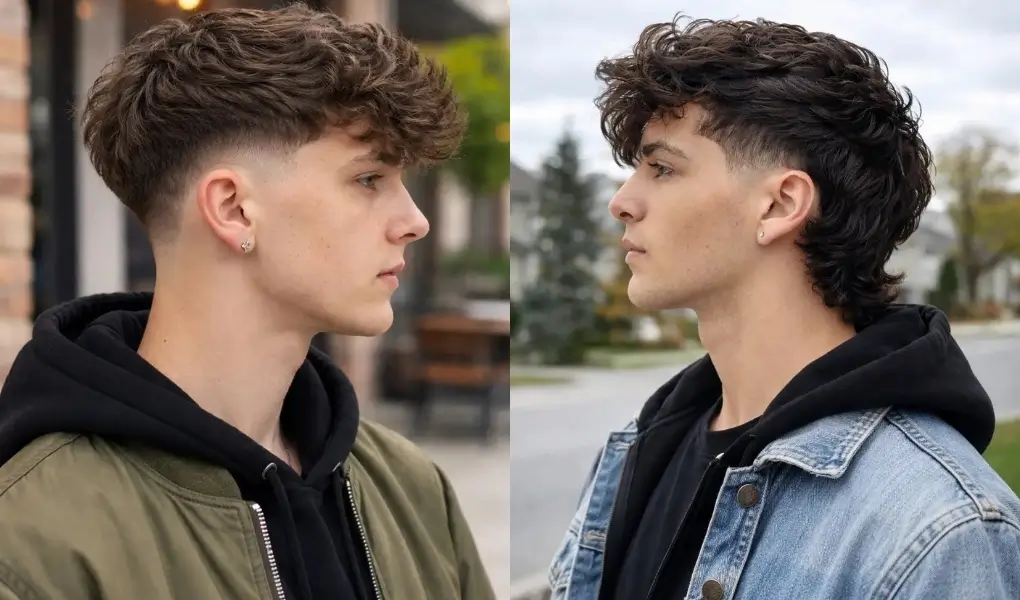
If you’ve ever sat in a barber chair scrolling photos and thought, “Wait… aren’t these the same haircut?” — you’re not alone. The modern mullet and the taper fade get lumped together constantly. They show up in the same Instagram posts, the same TikToks, the same “what should I ask my barber for?” conversations.
But they’re not the same thing. Not even close.
The confusion comes from the fact that they’re often worn together, especially in newer, trend-driven cuts. One is a haircut style. The other is a technique. Once you understand that difference, everything clicks.
The Modern Mullet: A Shape, Not a Gimmick
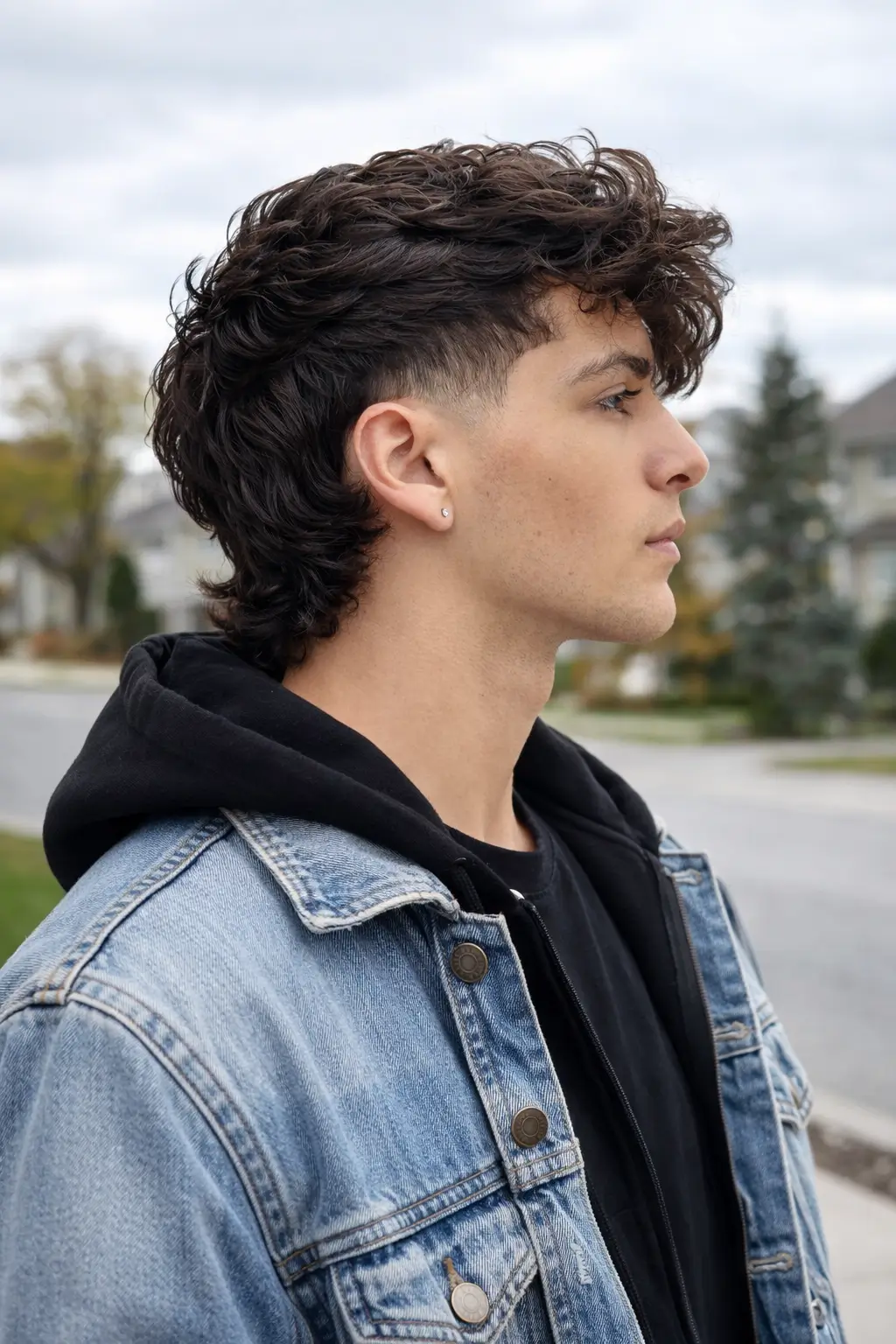
The modern mullet is less about irony and more about balance. Yes, it still follows the classic idea — shorter in the front and sides, longer in the back — but the harsh lines and exaggerated contrast of the 80s version are gone.
Today’s mullet is softer, more textured, and way more wearable. The transition from short to long is blended instead of chopped. The back usually starts around the occipital bone (that natural shelf at the back of your head), which helps the length fall better and look intentional instead of accidental.
Most modern mullets rely heavily on layers and texturizing. Barbers and stylists will often use thinning shears or a razor to create movement, so the cut doesn’t sit flat or boxy. That’s what gives it that effortless, slightly messy vibe people like — the kind of haircut that looks better a few days after you leave the shop.
The Taper Fade: A Technique, Not a Hairstyle
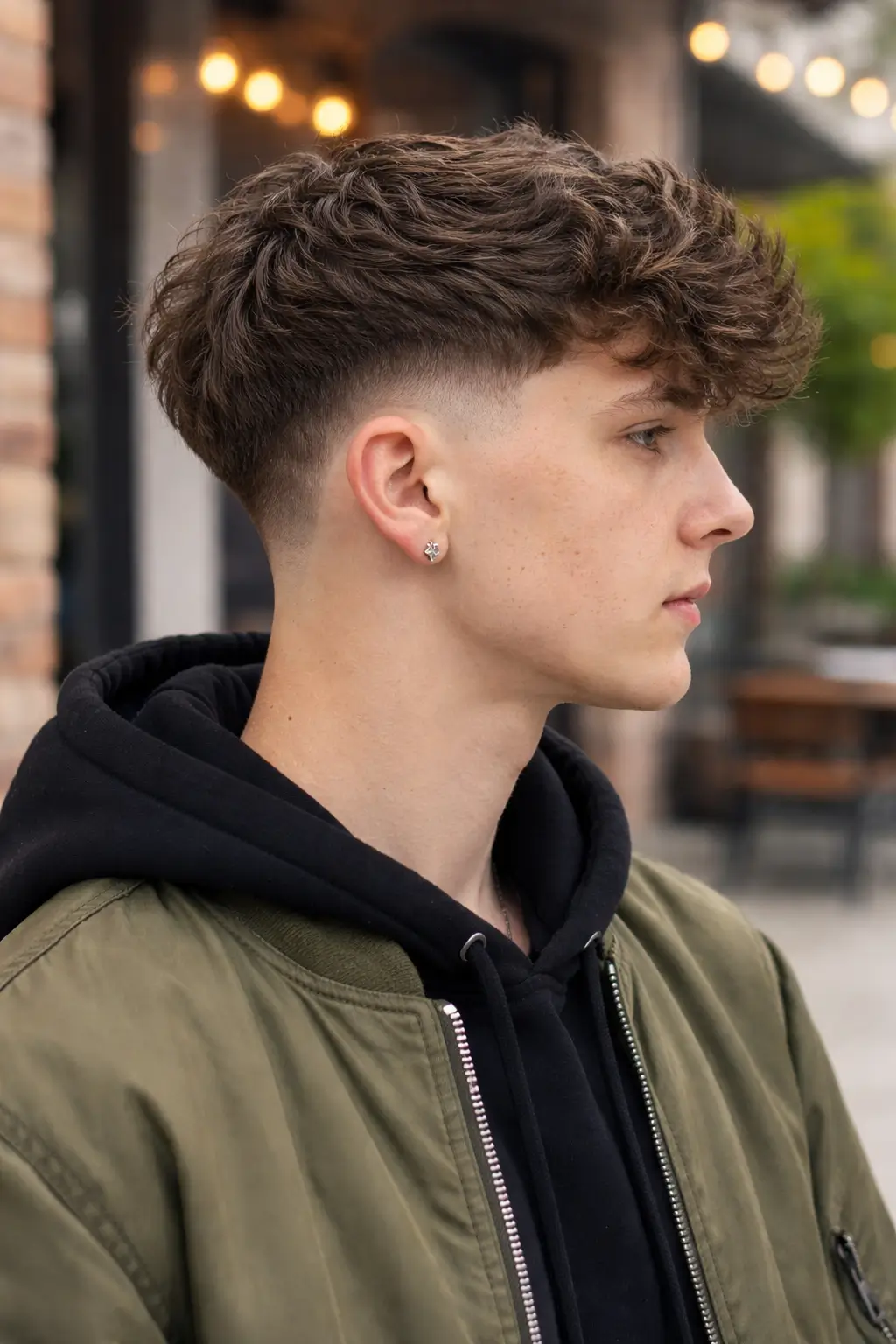
A taper fade isn’t a haircut you “wear” — it’s a way hair is finished.
When someone asks for a taper fade, they’re talking about how the hair gradually shortens down to the skin, usually around the sideburns and neckline. The key word here is gradual. There’s no harsh stop. No sudden line. Just a smooth transition from longer hair to bare skin.
On its own, a taper fade is clean and conservative. Think standard short back and sides, neat edges, professional energy. That’s why people who ask for just a taper fade often walk out with something much more traditional than they expected.
When paired with a modern mullet, though, the taper fade becomes a supporting player. It cleans up the sides and frames the cut, while the back is intentionally left long. That contrast — sharp on the edges, loose in the back — is what gives the mullet its modern edge.
Why Burst Fades and Mullets Show Up Together So Often
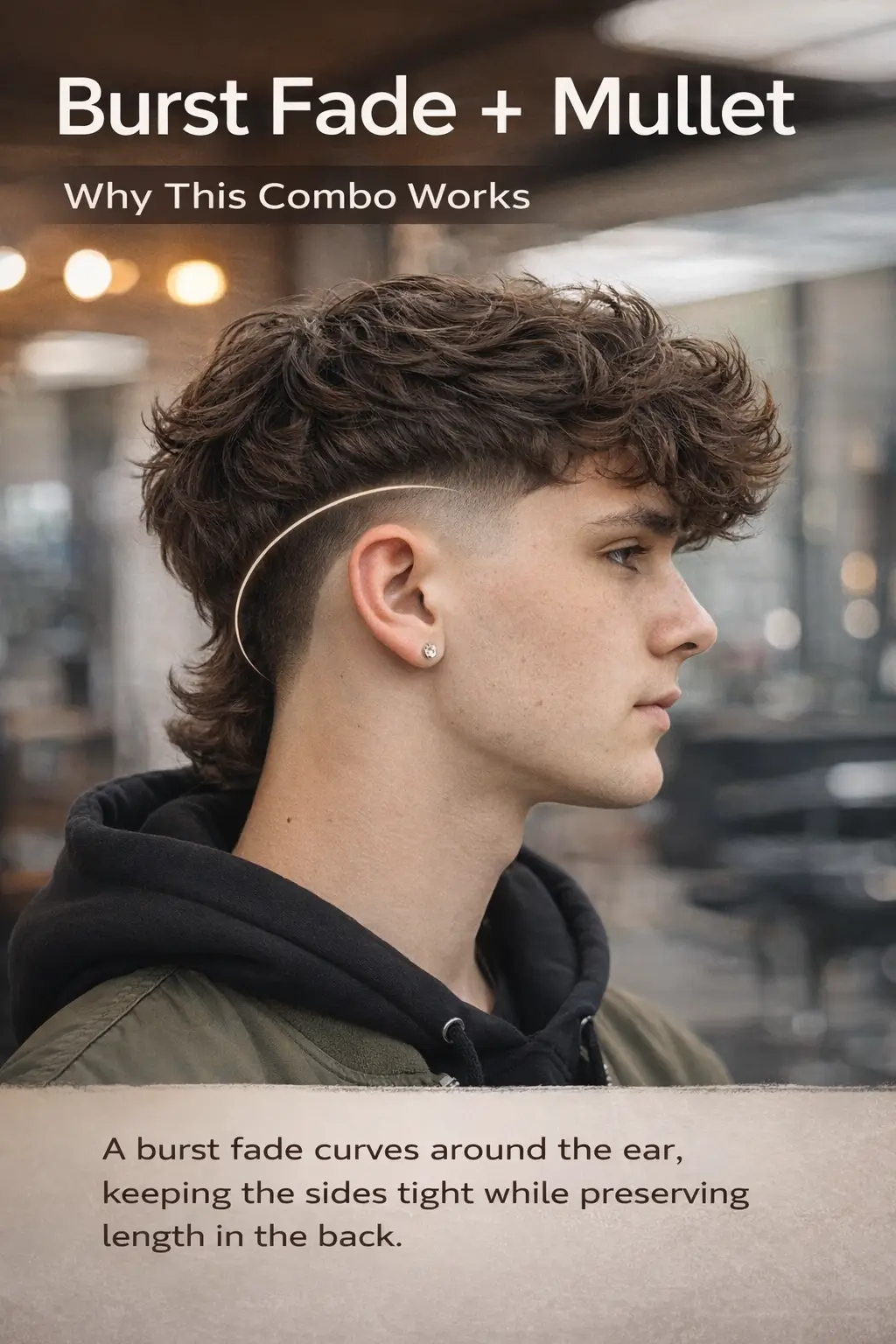
If you’ve seen a mullet that almost looks like it turns into a mohawk around the ears, that’s usually a burst fade. Instead of dropping straight down like a traditional fade, it curves around the ear in a semi-circle. That shape keeps the sides tight without killing the length in the back.
Barbers like burst fades with mullets because they solve a problem: mullets can look heavy on the sides if they’re not controlled. A burst fade removes bulk around the ears while letting the back flow naturally. The result feels intentional, not like someone just forgot to cut the back.
This combo is especially common in modern, trend-forward cuts — think athletes, musicians, or anyone who wants something bold without going full throwback. It’s also why people sometimes call it a “mohawk mullet,” even though it’s technically neither.
The Technical Details That Actually Matter
This is the part most haircut guides skip, but it’s where the difference between a good mullet and a bad one lives.
The weight line — where the short sides meet the longer top and back — needs to be softened. If that line is too sharp, the cut looks dated fast. Modern mullets blur that transition so the hair moves instead of stacking.
The nape matters too. In a standard taper fade, the nape is cleaned up and shortened. In a taper fade mullet, the nape is usually left long or only lightly tapered. That’s what preserves the mullet shape.
Texture does most of the heavy lifting. Thinning shears, point cutting, or razor work create separation so the hair doesn’t sit like a helmet. Without texture, even a well-shaped mullet can fall flat.
How to Ask Your Barber Without Getting the Wrong Haircut
This is where most people mess up.
If you walk in and say, “I want a taper fade,” you’ll almost certainly get a clean, short haircut with no length in the back. That’s not the barber being difficult — that’s just what the words mean.
What you want to say is something closer to:
“I want a modern mullet, with a taper fade on the sides, and length left in the back.”
If you have a reference photo, even better. Point out the back specifically. Say you want the nape left long. Mention texture. Those details matter more than buzzword haircut names.
A good barber will ask follow-up questions. If they don’t, speak up anyway. It’s your head.
Is a Modern Mullet Actually Wearable?
Honestly? Yes — if it’s done right.
Modern mullets work best for people who don’t want their haircut to look too “done.” If you like low-effort styling, natural movement, and cuts that grow out decently, it’s a solid option. Sea salt spray is usually enough. A little clay or pomade if you want to define the front or back.
That said, it’s not for everyone. If you need a strictly conservative look or hate any length touching your neck, you’ll probably fight it. Mullets are supposed to feel a little loose.
When they work, though, they really work.
Final Takeaway
A modern mullet and a taper fade aren’t competing ideas — they’re complementary. One defines the shape, the other cleans up the edges. Most of the confusion comes from people treating haircut styles and barbering techniques like they’re the same thing.
Once you know the difference, it’s a lot easier to get the cut you actually want — and avoid walking out of the shop wondering where your mullet went.