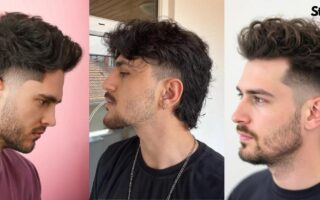
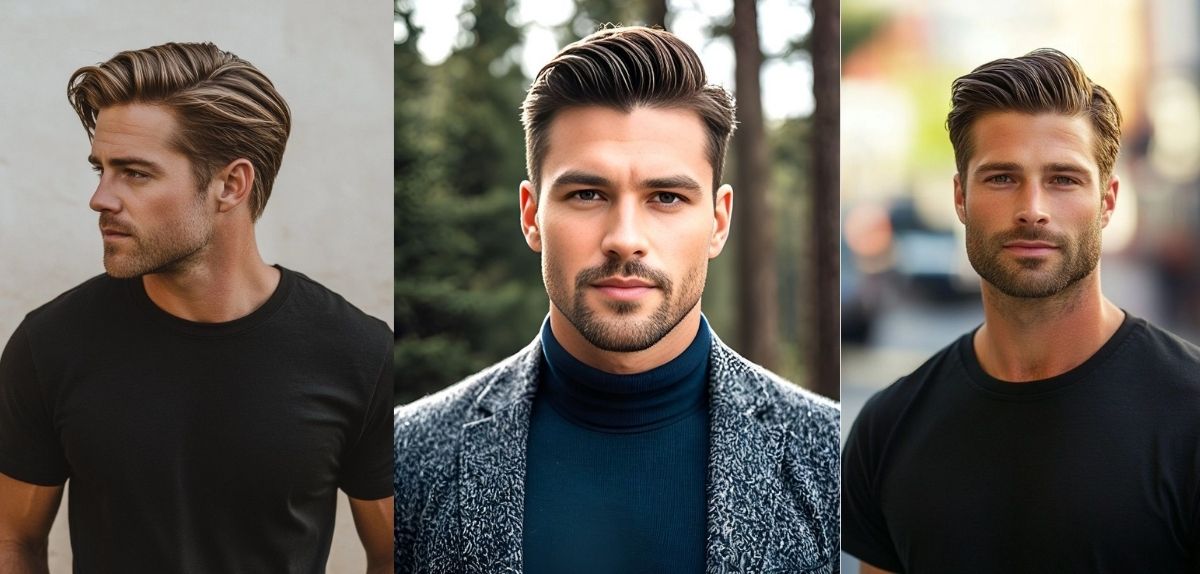
I am Jessica Becker, Beauty and Fashion Consultant for Stylorica, and the side part haircut is still one of the most reliable ways to look sharp without trying too hard.
Recent surveys put the side part among the top classic styles people prefer on men, sitting just behind fades, buzz cuts and long layers, which tells you it is not going anywhere.
Below are 20 side part haircut ideas, with styling tips you can actually use in the chair and at home.
Why the side part is still a power move
Barbers and stylists keep putting the side part in their top lists of timeless men’s cuts, especially when combined with a modern fade or taper.
Hairstylists quoted in Vogue explain that a side part adds volume and can elongate the face, which is especially flattering if your face is round or softer along the jaw.
So you get two wins at once: a classic silhouette and subtle face shaping.
How to choose the right side part
- If you have a round or longer face, barbers often recommend a side part with height and texture on top to stretch the face visually.
- If you have square or diamond features, a soft, slightly deeper part can help soften strong cheekbones.
Most barbers agree a side part looks best when it follows your natural part line, so comb your hair straight back and see where it wants to fall before you commit.
20 side part haircut ideas
Each idea below is written so you can literally read it to your barber.
1. Classic business side part
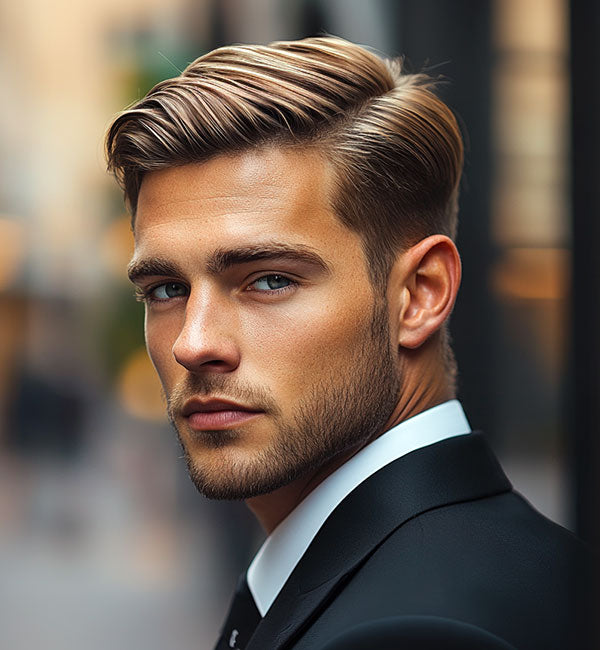
A clean, short back and sides with a neat side part that works in any office. Sides are tapered, not skinned, and the top is around 2 to 3 inches. Style with medium hold cream for a natural finish that moves when you do.
Best for: oval, square, and heart faces that need a sharp but not aggressive look.
2. Low fade side part
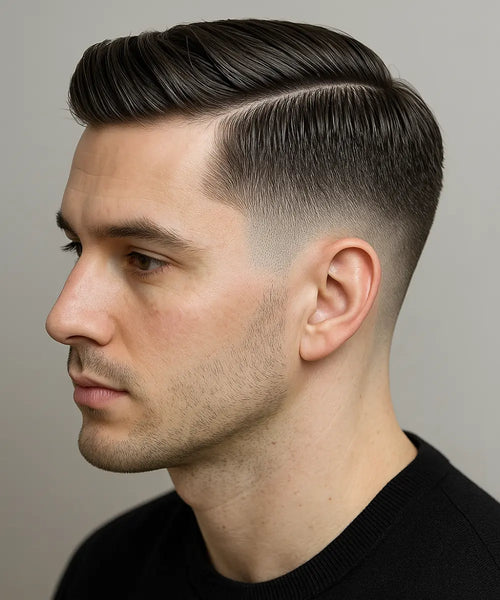
A low fade starts just above the ear and fades gently into the skin, keeping the overall look professional. The top is swept across and slightly back. Use matte paste to add texture without shine.
Best for: round or oval faces that benefit from a clean outline without too much contrast.
3. High fade side part
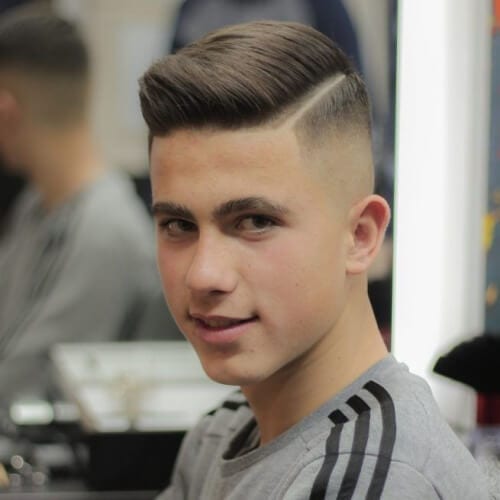
Here the fade climbs higher toward the temples, giving a stronger contrast between top and sides. Ask for a visible side part that is combed, not shaved. Style with strong hold clay if you want a structured, athletic finish.
Best for: square and oval faces that suit bold, defined shapes.
4. Side part with taper
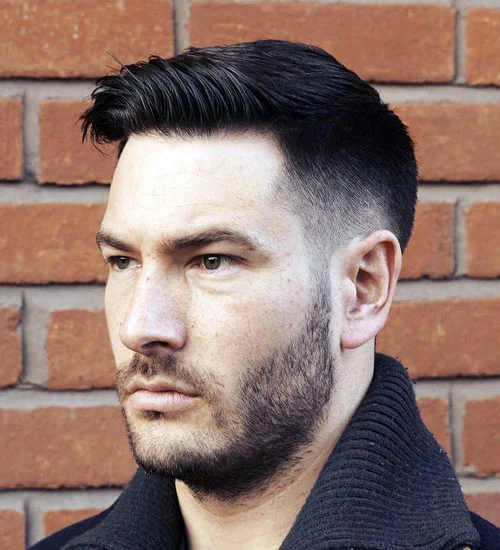
Instead of exposing scalp, the sides gradually shorten toward the neckline and sideburns. This keeps the cut neat but softer than a fade. A light pomade adds a slight sheen that looks polished in formal settings.
Best for: professionals who want a classic, long lasting shape that grows out clean.
5. Ivy League side part

A longer crew cut with a defined side part. The top is short enough to be low maintenance but long enough to push over. Use a small amount of cream or paste for easy daily styling.
Best for: students, office workers, and anyone who needs a smart, flexible haircut.
6. Textured side part crop
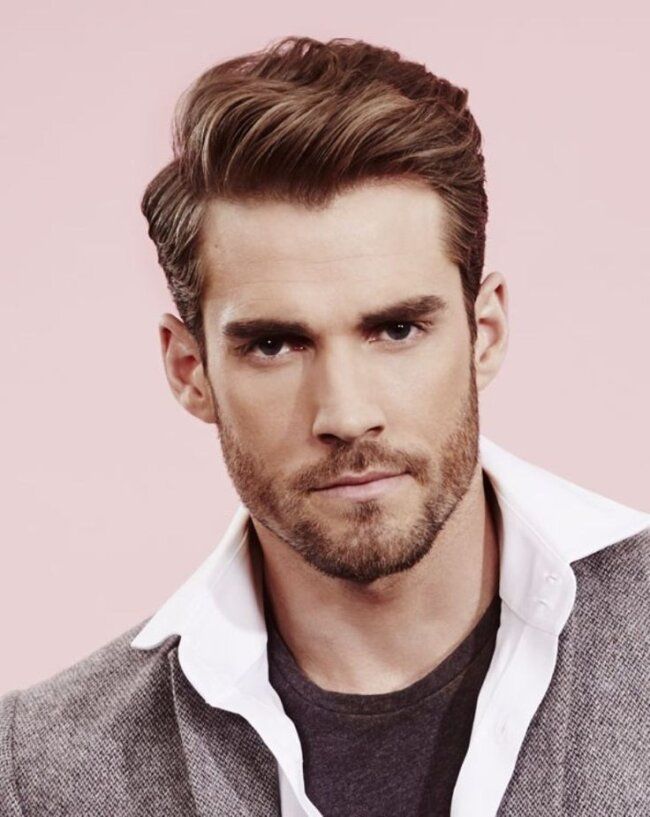
Perfect for thick hair, this cut uses choppy, point cut layers through the top so the hair breaks up and falls naturally. The part line is visible but not overly crisp. Style with sea salt spray and a touch of paste for a lived in finish.
Best for: all face shapes, especially if you like a slightly messy, modern look.
7. Side part quiff
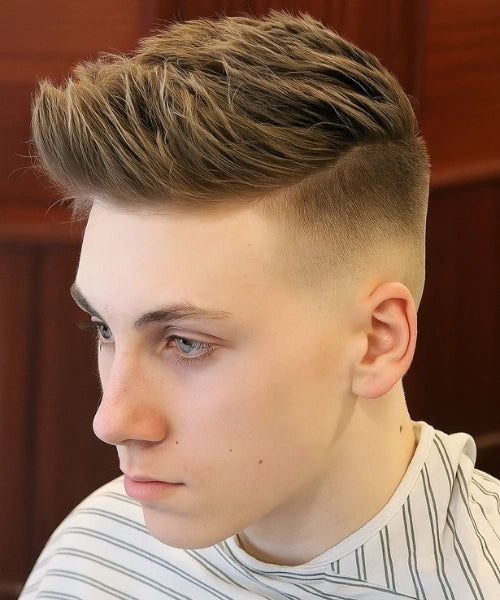
The front is left longer to create a lifted quiff that flows back and over from the part. Blow dry the front up and back, then lock in with a medium to strong hold product.
Best for: round and heart faces that benefit from extra height at the front.
8. Side part pompadour
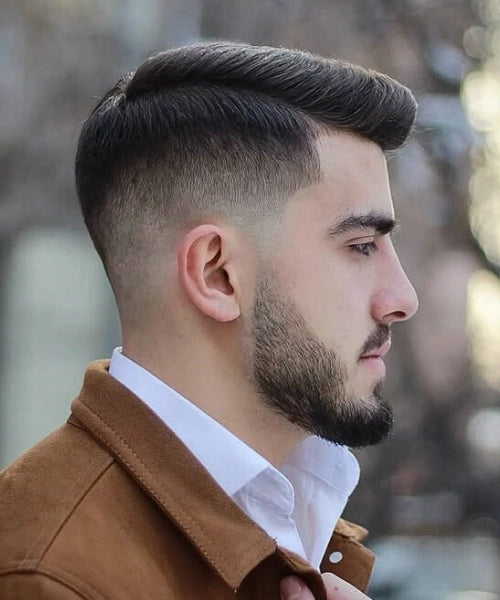
For a vintage inspired look, the front and crown stay long and are swept up and back from a sharp side part. Sides can be faded or tapered. Use a blow dryer, comb, and high hold pomade to sculpt the shape.
Best for: oval and square faces, and anyone who likes a statement style.
9. Hard part skin fade
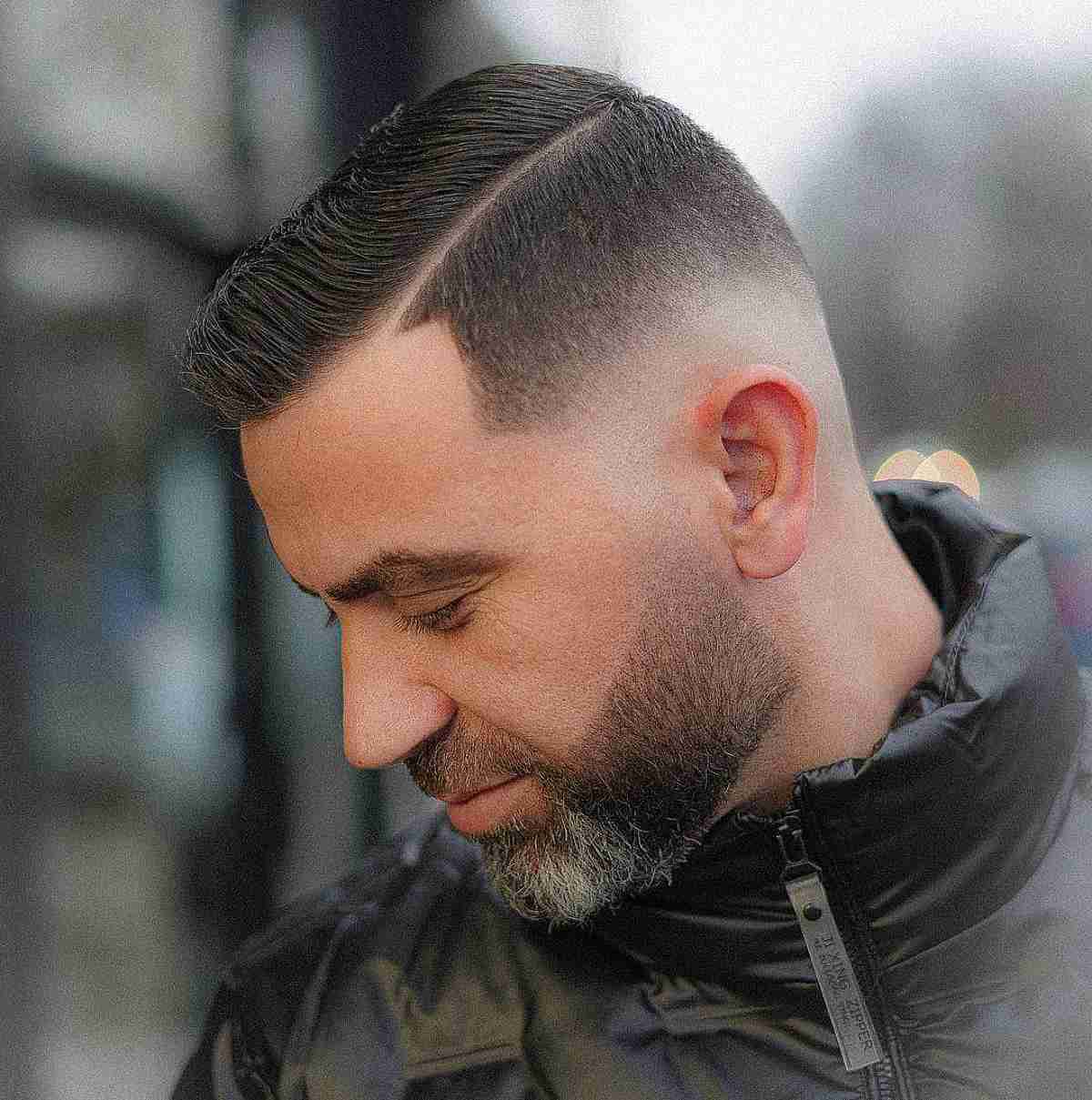
A barber shaves a clear line into the part, combined with a tight skin fade. The look is very defined and modern, but high maintenance. Style with strong hold product to keep the line visible.
Best for: thicker hair and people happy to visit the barber often.
10. Messy side part with medium length

Medium length hair is layered and parted, then styled loosely with fingers instead of a comb. A little texture cream adds separation so it looks intentionally undone, not careless.
Best for: straight and wavy hair, and relaxed dress codes.
11. Curly side part

Curls are shaped and debulked with scissors so they sit neatly around a soft part. Use a curl cream and diffuser, letting a few curls fall over the part for a relaxed feel.
Best for: curl patterns from loose to medium tight that need more structure without losing movement.
12. Wavy surfer side part
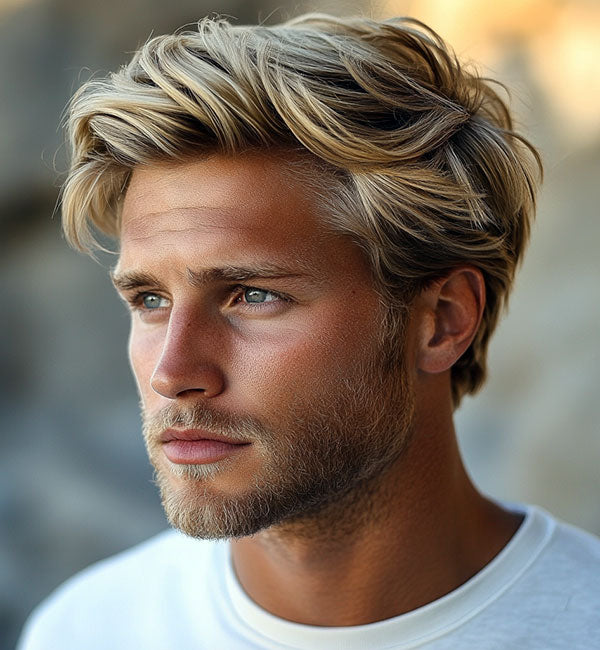
Slightly longer hair is layered, parted to one side, and left to wave naturally toward the eyes. Sea salt spray and air drying keep the look light and casual.
Best for: naturally wavy hair and anyone who prefers minimal styling.
13. Long layered side part

Shoulder length hair with long layers that fall from a side part creates a soft curtain effect. It frames the face without feeling heavy. A quick blow dry and a bit of smoothing cream is usually enough.
Best for: oval, diamond, and heart faces that suit framing layers.
14. Side part with undercut
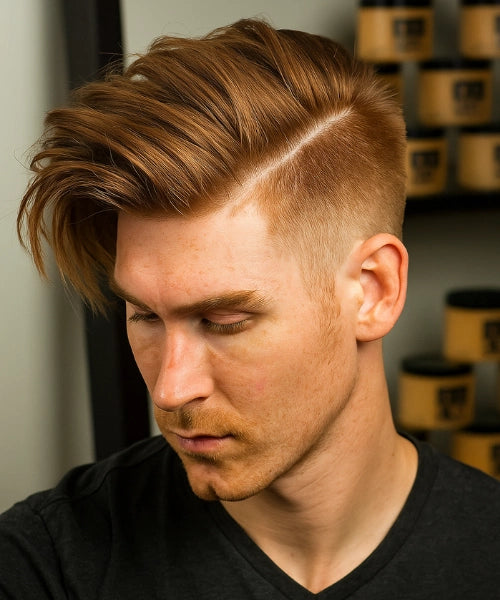
The sides and back are clipped very short at one length while the top stays much longer and is parted. There is little to no blend, so the contrast is strong. Style daily with a blow dryer and paste or cream.
Best for: straight and wavy hair, and fashion forward tastes.
15. Soft side part for thinning hair

Subtle layering on top with a gentle side part and no shaved lines. Lightweight volumising products create lift without exposing the scalp.
Best for: fine or thinning hair where you want fullness without drawing attention to density.
16. Side part with beard balance
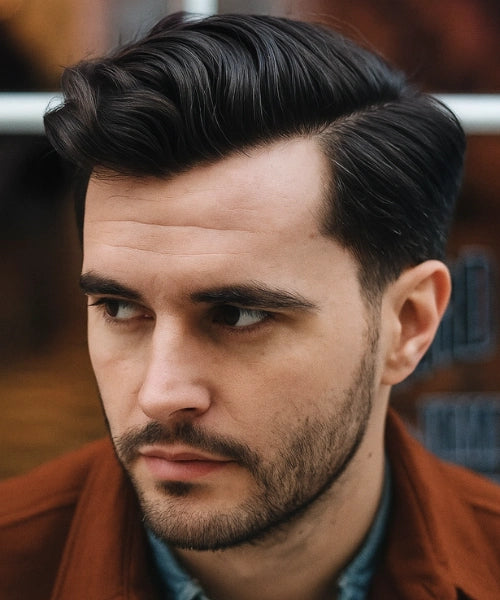
A neat side part on top and a well groomed beard below create a strong vertical line. Ask your barber to fade the temples into the beard for a seamless blend.
Best for: round and oval faces that benefit from extra jaw definition.
17. Deep side part for round faces

The part is placed deeper than usual and paired with extra height at the front. This reshapes the face visually, adding length. Blow dry the front section up and over, then secure with matte clay.
Best for: round faces focused on slimming and elongation.
18. Side part bob for men
A chin to collarbone bob with a side part works beautifully for straight or slightly wavy hair. Add soft curls or waves for more movement. Finish with a light smoothing serum for a polished look.
Best for: oval, heart, and diamond faces, and anyone who wants a sharp but low effort style.
19. Side part shag
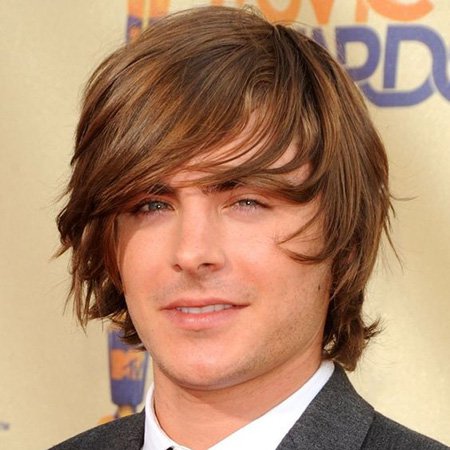
Heavily layered hair around the crown and sides is parted to one side, with pieces falling over the forehead and cheekbones. Use a light mousse or spray wax and rough dry for an airy, rock inspired finish.
Best for: wavy or slightly messy hair textures that suit movement.
20. Low maintenance everyday side part
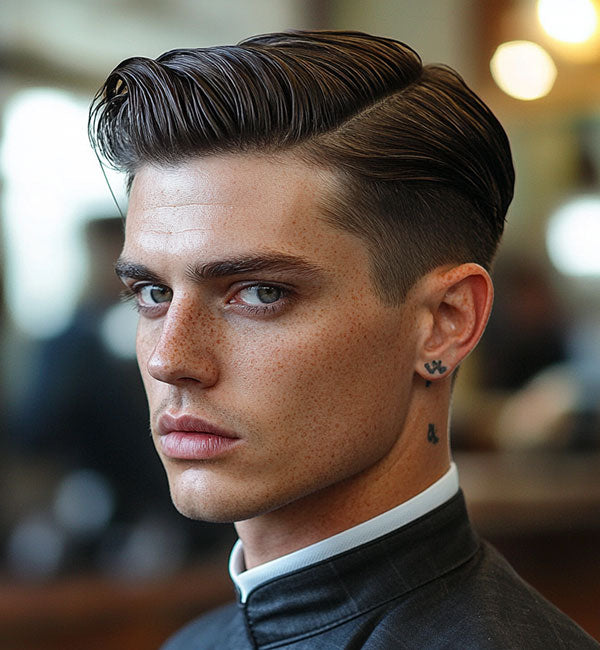
A practical side part with medium top and a simple taper on the sides, cut to fall into place with minimal effort. Let it air dry, then swipe a small amount of leave in cream through the top and push it into your natural part.
Best for: anyone who wants a clean style with almost no daily styling time.
Styling and hair health tips for side parts
Healthy hair always makes a side part haircut look more expensive. Dermatologists at the American Academy of Dermatology recommend limiting heat, letting hair partially air dry and using heat protectant whenever you blow dry or use tools, because excessive heat can damage the cuticle over time.
Keep these basics in mind:
- Use low or medium heat and keep the dryer moving.
- Avoid very heavy, long lasting hold products every day, which can cause breakage when combed out.Ask your barber for a shape that matches your natural part and hair texture so you do less “forcing” and more easy styling.
How to ask your barber for a side part haircut
A great side part starts with the right conversation in the chair. Here is how to explain what you want in a clear, confident way.
What to tell your barber
- Length on top
- For example: “Keep around 2.5 to 3 inches on top so I can sweep it to the side.”
- Your natural part
- Tell them which side your hair naturally falls toward when you brush it back. That is usually the easiest and strongest part.
- Type of sides
- Choose between fade, taper, or all scissor.
- Example: “I want a low fade on the sides” or “I prefer a scissor taper, nothing down to skin.”
- Hard part or soft part
- Hard part: shaved line, very defined, higher maintenance.
- Soft part: created with the comb and styling, more natural and forgiving.
- Styling habits
- Be honest about your routine. If you only want 2 minutes of styling in the morning, say so. Your barber will simplify the shape.
What to show
Bring one or two reference photos that match:
- Your hair texture
- Your density
- The overall length you want
Photos remove guesswork and let the barber adjust the look realistically to your hair and face.
How often should you maintain a side part haircut
Side parts rely on structure. Once the lines blur, the style loses impact. Here is a realistic maintenance guide.
Fade plus side part
- Needs a refresh every 2 to 3 weeks.
- Fades grow out quickly and can look messy if not cleaned up, especially around the neckline and temples.
Tapered side part
- Can stretch to 3 to 5 weeks between cuts.
- Tapers grow out more gracefully and do not expose the scalp. Great if you want clean but not high maintenance.
Medium to long side part
- Plan a trim every 5 to 7 weeks.
- This stops the part from collapsing and keeps the outline around the face and neck neat.
Hard part
- Needs retouching every 10 to 14 days.
- The shaved line fills in fast, and once it softens, the cut loses its crisp shape. If you cannot visit often, choose a soft part instead.
Best products for side parts by hair type
Choosing the right product can be the difference between a polished, lasting side part and a style that falls flat by lunchtime.
Fine or thinning hair
Goal: volume without weight.
Use:
- Volumising mousse on damp hair, focused at the roots.
- Root lift sprays for extra height at the front.
- Matte clay or light paste for soft hold and a fuller look.
Avoid heavy pomades and waxes that collapse the top and expose the scalp.
Thick hair
Goal: control and shape.
Use:
- Medium hold creams to smooth bulk.
- Fiber or paste for structure around the part.
- Light pomade if you like a bit of shine and a more classic finish.
These will keep your sides and top in line without making them look stiff.
Curly or wavy hair
Goal: definition, not frizz.
Use:
- Curl creams to define the pattern and keep it soft.
- Hydrating serums on the ends if your curls get dry.
- A diffuser on low heat to set the part without blowing it out.
Let a few curls or waves cross the part line naturally instead of forcing it too flat.
Oily scalp
Goal: longer lasting freshness and a matte finish.
Use:
- Matte clays or dry texture pastes that absorb some oil.
- Dry shampoo at the roots on non wash days.
Avoid oil based pomades and very wet gels that add shine and quickly look greasy.
Common mistakes to avoid with side part haircuts
Even a great cut can look average if you fall into these traps.
Choosing a hard part when hair is thinning
A shaved line makes scalp contrast more obvious. If you are thinning, stay with a soft part and textured layers to keep everything blended and full looking.
Cutting the sides too short for your face
Ultra tight sides can exaggerate a round or very long face. If you are unsure, ask your barber for a taper rather than a skin fade for the first cut.
Overusing heavy, oily products
Thick pomades and oils collapse volume, create separation in the wrong places, and make styles look greasy. Switch to matte or lightweight products unless you specifically want strong shine.
Fighting your natural growth pattern
If your hair naturally wants to fall to the right, forcing it left will make the part look uneven and unstable. Work with your natural fall for a side part that stays put.
Ignoring regular maintenance
A side part depends on clean lines. When the sides grow out and the neckline becomes fuzzy, the style loses definition. Set a realistic schedule for your lifestyle and stick to it.
Side part haircut FAQ
Which side should I part my hair on
Comb your hair straight back from your forehead. The side it leans toward is usually your natural part. That side will give you the cleanest, longest lasting result with the least effort.
Do side parts suit all face shapes
Yes, side parts are very adaptable. The key is changing the depth of the part and the height on top to match your face shape. Deeper parts and more volume suit round faces, while softer, balanced parts work better on square and heart faces.
Can a side part help disguise thinning hair
A soft side part combined with lightweight volumising products can definitely make thinning hair look fuller. Avoid shaved hard parts and very shiny gel, because those highlight scalp visibility.
Is a side part professional enough for corporate jobs
Absolutely. The side part is one of the most recommended office friendly haircuts because it looks clean, controlled, and classic. You can always adjust the fade or taper strength depending on how formal your workplace is.
How do I keep my side part in place all day
Train the hair with a blow dryer at the roots first. Heat sets the direction, product locks it in. Use a matte paste or clay after drying. If your hair is very straight and heavy, ask your barber for light layering on top to give the product something to hold.
What if my side part always falls flat
You probably need more root lift and less product weight. Use a volumising mousse on damp hair, blow dry opposite your part to build lift, then switch it back and use a small amount of matte product. If it still collapses, shorten the top slightly and add more internal layering.
Final thoughts as your stylist
If you want a change without shocking everyone around you, a side part haircut is the safest and smartest upgrade. It is classic, backed by real world surveys as a style people genuinely like to see, and flexible enough to adapt to your face shape and job.
Take this list into your next appointment, show your barber one or two ideas that match your lifestyle, and ask “How can we tailor this side part to my hair and face?”
That is where the magic happens.