The reverse mullet is a bold, modern look that flips the classic “business in the front, party in the back” vibe completely on its head. Instead of long hair trailing down the neck, this short in back long in front haircut keeps things cropped close behind while leaving heavy, face-framing length up front. It has quickly become an edgy mullet alternative exploding across feeds on TikTok and Instagram.
Whether you know it as a “tellum” (literally mullet spelled backward), a “frullet,” or a reverse mullet female style born out of alt and punk scenes, getting this cut right takes serious skill. If you are thinking about trying it out, this guide breaks down the most popular reverse fade mullet styles, how to style them daily, and what to tell your barber to get exactly what you want.
What Exactly is a Reverse Mullet (Tellum)?
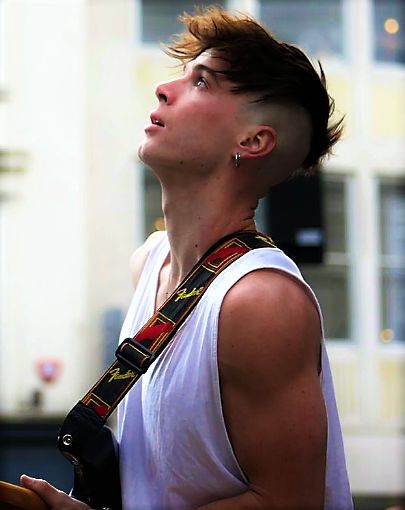
In subculture style history, a true reverse mullet—often called a tellum hair cut—does the exact opposite of the traditional 80s look. Instead of a long mane cascading down your neck, this style keeps the nape completely buzzed or faded close to the scalp, shifting all the visual volume and weight right to the front perimeters of your face.
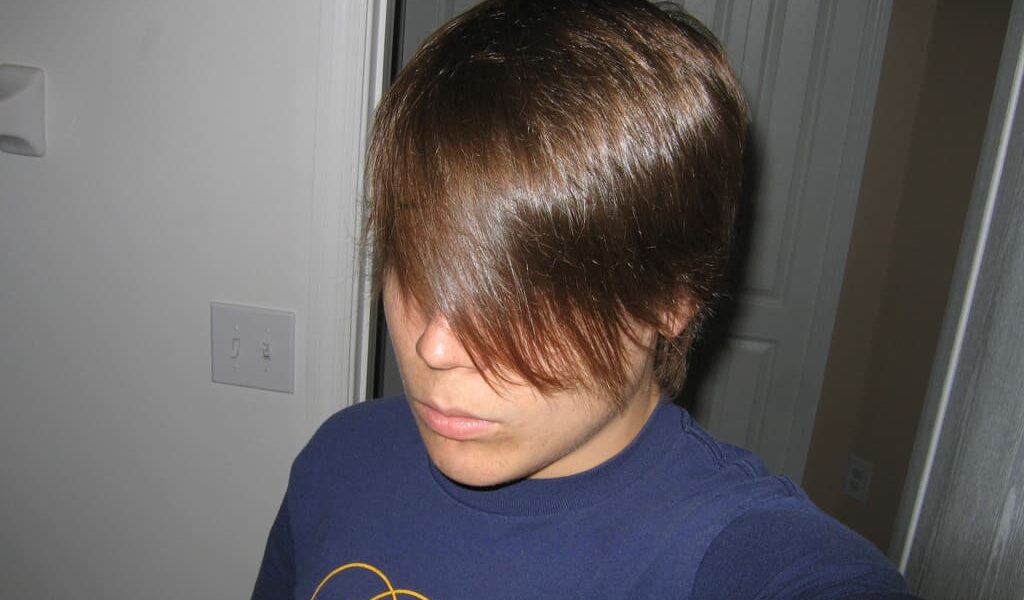
- The Front: Long, textured bangs, heavy face-framing fringe, or asymmetric curtain layers grazing the jawline.
- The Sides: Cleanly tapered, high-faded, or completely disconnected from the longer hair on top.
- The Back: Buzzed down with a low guard, closely cropped, or tapered into a sharp skin fade.
While it feels futuristic, versions of this silhouette have popped up for decades. You can trace its roots from classic 90s reverse mullet bowl-blends all the way back to the edgy “Chelsea cut” worn by British punks and skinheads in the late 1970s and 80s. Today, it is a staple of the “indie sleaze” revival and modern e-girl/e-boy aesthetics popularized by creators across social media platforms.
Don’t Confuse It With a “Skullet”: A lot of people looking up a “reverse mullet” actually mean a skullet. A skullet means you shave the top or front of the head bald and leave the back long. A true reverse mullet is the exact opposite: lots of hair up front and a totally clean back.
Top Reverse Mullet Styles & Variations
If you are ready to give this trend a shot, pick a variation that works with your natural hair texture and how much effort you want to put into styling it every morning.
1. The Modern Reverse Mullet Fade (Men’s Style)
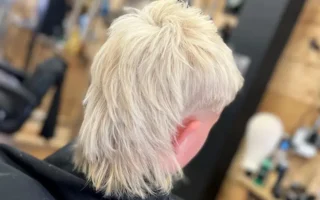
This is easily the top reverse mullet male cut you will see in modern barbershops. Barbers drop a sharp burst fade or a tight taper around the ears. The hair transitions smoothly from long, piecey strands at the crown down to a skin-tight blend at the neck, giving you an aggressive, eye-catching side profile.
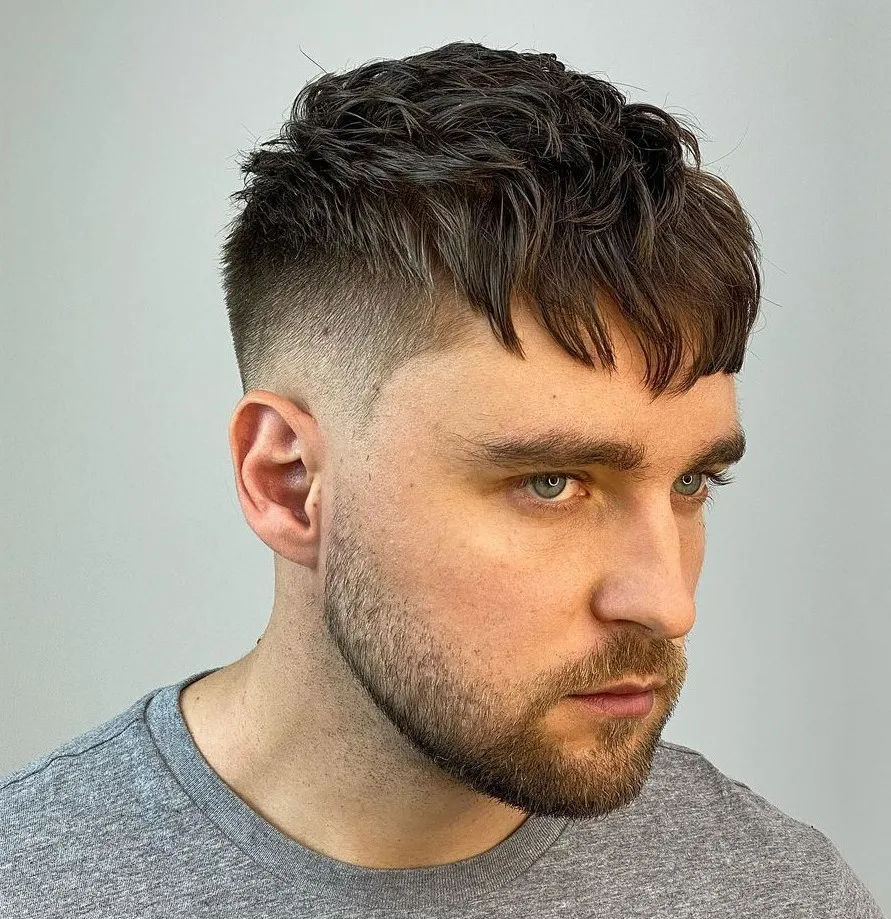
Front View: Heavy, texturized layers framing the brow line.
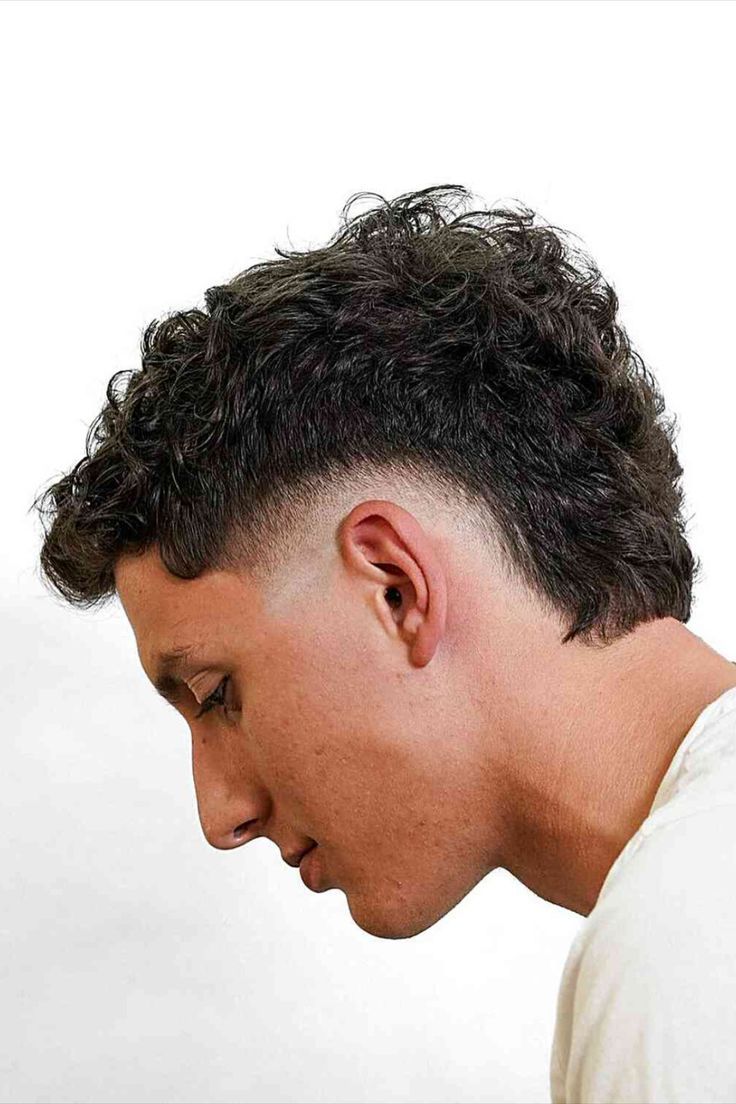
2. The Chelsea Cut (Alternative Style for Women)
A staple in alternative fashion circles, this classic reverse mullet women variation leaves the crown and the back of the head entirely shaved or buzzed down. The stylist leaves long, dramatic side chunks (often called “dog ears”) and a full front fringe to frame the face and highlight the cheekbones.
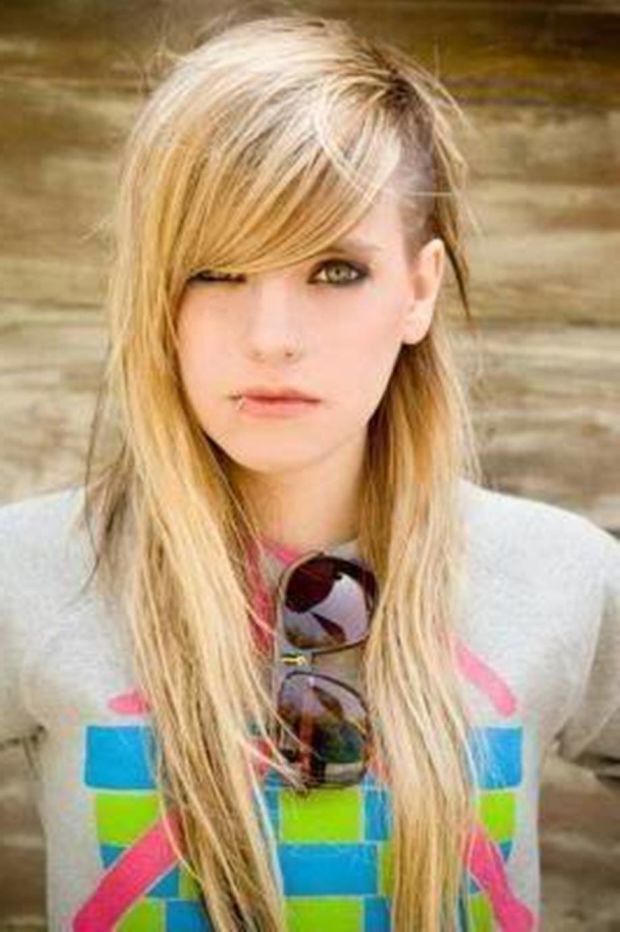
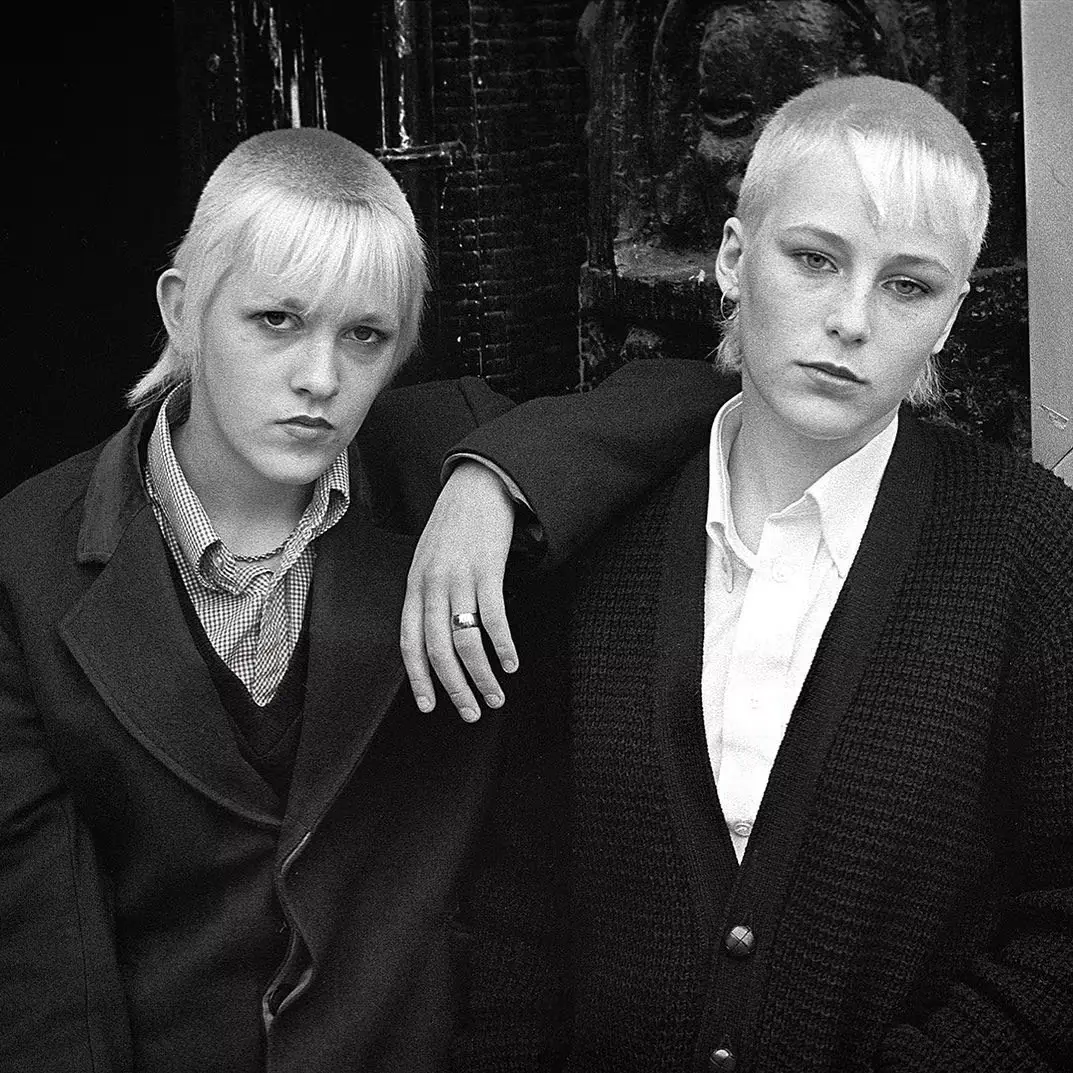
3. Tailoring the Tellum to Your Hair Texture
Your hair type dictates how this cut sits on your head. Choose your style according to your texture profile:
- The Curly & Textured “Tellum”: This shape makes for an incredible reverse mullet curly hair option. By leaving chin-length tendrils or bouncy coils layered heavily at the front and clipping the back down to a tight guard #2 or #3, your natural curls create instant volume up front without making the back look bulky.
- The Straight Hair Asymmetric Cut: Straight hair can easily look like an accidental bowl cut if the transition isn’t right. To avoid this, ask your stylist for deep texturizing or an asymmetrical fringe that breaks up the weight lines.
- The Wavy / Fine Hair Shag: If your hair is on the finer side, use internal layers behind the front fringe to create faux thickness and keep the heavy front from falling completely flat against your face.
Expert Advice from the Chair:
“The absolute biggest mistake people make with a tellum is ignoring their natural growth patterns. If you have a strong cowlick at your front hairline, a blunt front fringe will split open. Always ask your stylist to dry-cut the front perimeter so they can see exactly how your hair naturally falls before committing to the final length.”
— Marcus Vance, Senior Stylist & Educator at Vanguard Hair Studio
Quick Comparison: Classic Mullet vs. Reverse Mullet
| Feature | Classic Mullet | Reverse Mullet (Tellum) |
|---|---|---|
| Front Length | Short fringe, textured crop, or slicked back | Long bangs, sweeping curtain fringe, or face-framing layers |
| Back Length | Long, flowing hair cascading down the neck | Buzzed, closely cropped, or a tight taper fade |
| Vibe | Retro 70s/80s rock star, country flow, or casual | Futuristic, alternative, edgy, and punk-inspired |
| Maintenance | Low to medium; back grows out easily | High; back requires frequent trims to look clean |
How to Ask Your Barber or Stylist for the Cut
To avoid any awkward hair disasters at the salon, use these quick tips during your consultation:
- Show Photos From Multiple Angles: Always bring clear front, side, and back photos of the exact style you want.
- Pick Your Front Length Beforehand: Be explicit about where you want your longest layers to fall—whether that’s your eyebrows, cheekbones, or your jawline.
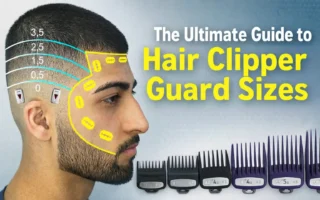
- Be Specific About the Back Clipper Guard: Ask for a clean buzz using a specific number (like a #2 or #3 guard) or request a smooth skin fade if you want maximum contrast.
- Ask for Point Cutting: Request razor texturizing or point cutting on the long front pieces. This thins out the blunt edges, gives the hair movement, and keeps it from looking like a heavy block.
Step-by-Step: How to Style and Maintain Your Reverse Mullet
Because the lengths on this cut are so uneven, styling it deliberately is the key to keeping it looking intentional instead of messy. Follow this daily routine for perfect volume and hold:
- Prep with Sea Salt Spray (The Base): On clean, damp hair, mist a quality sea salt spray directly onto your front fringe and crown. This gives the long front layers the necessary grit, lift, and raw texture needed to stay in place.
- Blow-Dry Forward (The Direction): Using a blow dryer set to medium heat, use your fingers to brush all of your hair forward toward your face. Do not use a round brush, or you will end up with outdated, overly curved 80s volume. Aim for a piecey, modern, lived-in look.
- Define the Layers with Clay (The Hold): Rub a dime-sized amount of matte pomade or texturizing clay completely between your palms until it warms up. Work it through the mid-lengths to the ends of your front pieces, pinching the tips to emphasize the choppy, disconnected layers. Avoid heavy oils or high-shine gels that make front pieces look greasy against your forehead.
- Maintain the Crop (The Upkeep): Because the back is kept incredibly short, a reverse mullet loses its shape quickly when the hair grows out. Schedule a quick neck clean-up or a taper touch-up with your barber every 3 to 4 weeks to keep your profile looking sharp.
Frequently Asked Questions About the Reverse Mullet
What is a reverse mullet called?
A reverse mullet is most commonly called a “tellum” (which is just “mullet” spelled backward). It is also known online as a “frullet” (front-mullet) or a modified alternative Chelsea cut.
Is a reverse mullet hard to grow out?
Yes, growing this style out takes a bit of patience. Because the front is so much longer than the back, you will eventually want to trim the front layers back into a uniform pixie cut, short bob, or a layered shag while you wait for the back sections to catch up in length.
What face shapes look best with a reverse mullet?
The reverse mullet works incredibly well on oval, heart-shaped, and square faces. Because the front is full of long, face-framing pieces or heavy bangs, your stylist can easily tweak the lengths to highlight your cheekbones or soften a strong jawline.