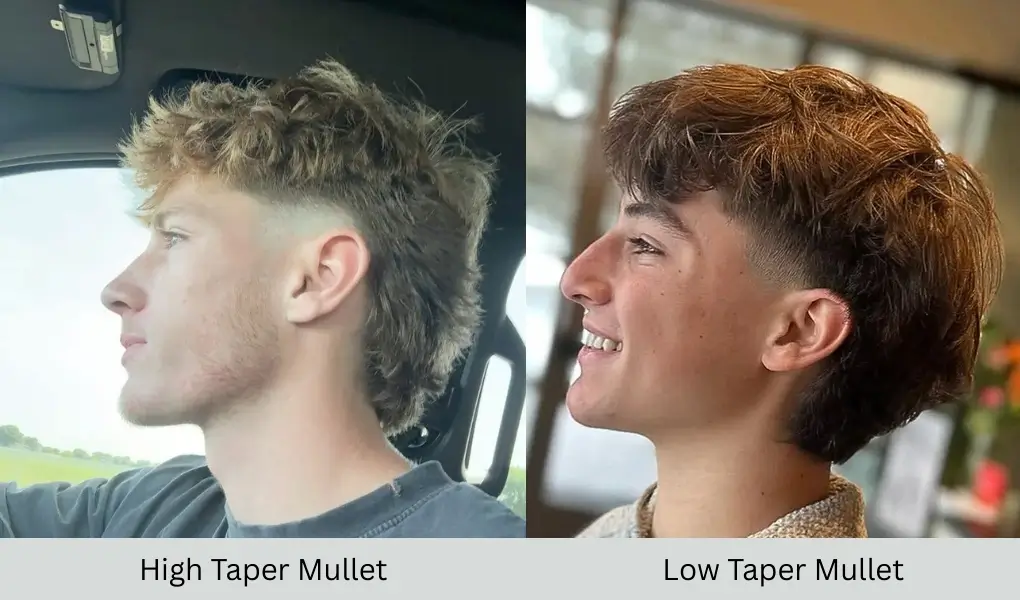
If you are deciding between a low taper mullet and a high taper mullet, you are already on the right path. Both cuts are modern, intentional, and barber-approved. The real difference is not about trends. It is about how the haircut performs on your head, in your daily routine, and over time.
I look at these two styles every day behind the chair. One is about control and flow. The other is about definition and impact. When chosen correctly, both deliver confidence, structure, and an unmistakably current look.
Let’s break this down in a way that helps you leave the barber shop satisfied, not guessing.
The Taper Mullet, Done Right
A taper mullet combines three core elements:
- Clean taper work around the temples and neckline
- Controlled length and texture on top
- Purposeful length through the back
The taper creates structure. The mullet creates personality. When those two are balanced correctly, the haircut works hard for you without demanding constant effort.
The choice between low taper and high taper determines how bold that structure feels.
The Low Taper Mullet: Clean, Relaxed, Always Wearable
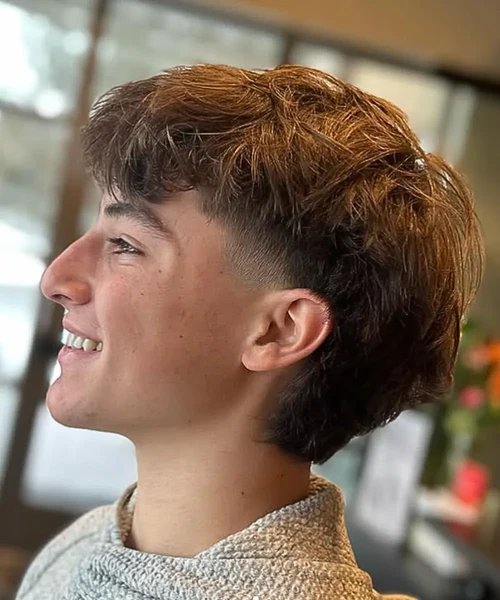
A low taper mullet keeps the taper tight near the sideburns and nape, letting the blend sit naturally into the rest of the haircut.
What you get from a low taper mullet
This style delivers a smooth silhouette. Nothing feels forced. The haircut looks sharp up close but relaxed from a distance.
In real life, that means:
- Easy mornings
- Fewer styling steps
- A haircut that still looks good weeks later
I often recommend this cut to clients who want a mullet that feels confident, not loud.
Who benefits most
- Men wearing a mullet for the first time
- Wavy or curly hair types
- Anyone balancing work, social life, and grooming
- Guys who want shape without constant maintenance
Barber advantage
The grow-out phase stays controlled. The taper softens naturally, so the haircut never feels unfinished.
The High Taper Mullet: Sharp, Structured, and Modern
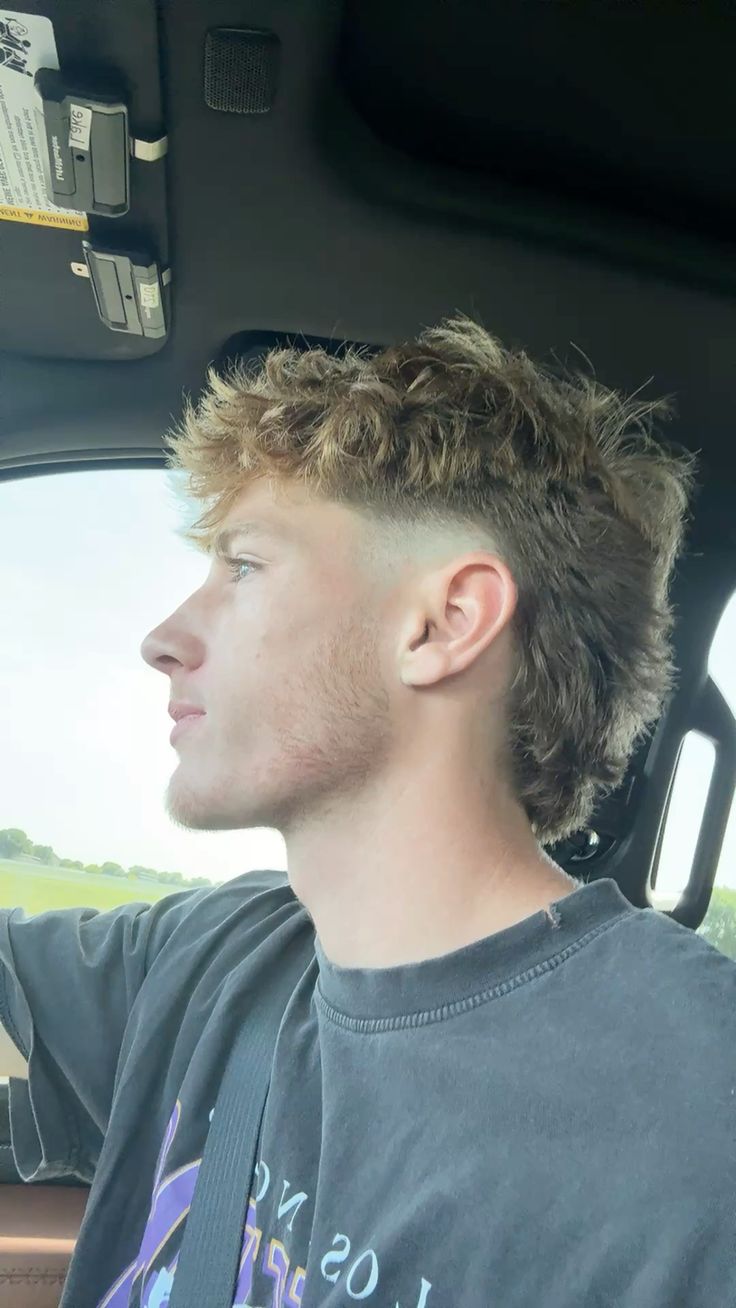
A high taper mullet brings the taper higher toward the temples and upper sides. This creates a stronger visual contrast between the top, sides, and back.
What you get from a high taper mullet
This cut delivers definition. The head shape looks more sculpted. The mullet stands out with intention.
In everyday terms:
- The haircut looks freshly cut longer
- Photos and mirrors show clear structure
- The style reads modern and confident
This is the version I suggest when someone wants their haircut to make a statement.
Who benefits most
- Thick or straight hair types
- Clients who style daily, even briefly
- Men who like crisp outlines and modern finishes
- Anyone comfortable with regular barber visits
Barber advantage
The head shape becomes more defined. With proper top length, the cut stays balanced and sharp.
Low vs. High Taper Mullet: Real-World Comparison
| Feature | Low Taper Mullet | High Taper Mullet |
|---|---|---|
| Overall feel | Smooth and relaxed | Sharp and structured |
| Visual contrast | Subtle and natural | Bold and defined |
| Styling effort | Minimal | Moderate |
| Grow-out comfort | High | Medium |
| Barber visits | Every 4–6 weeks | Every 2–4 weeks |
| Best outcome | Easy confidence | Strong presence |
Choosing Based on Face Shape
Haircuts should support your natural structure, not fight it.
Round face
A high taper mullet adds vertical balance. The tighter sides and lifted top help sharpen the overall look.
Oval face
Both styles work well.
- Choose low taper for effortless style
- Choose high taper for modern edge
Square face
A low taper mullet usually blends best. It keeps the jaw strong without over-emphasizing angles.
Long face
A low or mid taper mullet keeps proportions balanced. Controlled volume is the key here.
Hair Type Matters More Than You Think
Straight hair
High taper mullets shine here. The structure stays visible and clean.
Wavy hair
Low taper mullets look natural and confident. High taper versions add fashion-forward contrast.
Curly hair
Low taper mullets respect curl patterns and keep the blend smooth. The result looks intentional, not forced.
Coily hair
Both work when the taper is precise. Maintenance level should guide the choice.
What to Say to Your Barber for the Best Result
Clear communication creates clean haircuts.
Asking for a low taper mullet
Say:
- Low taper at the temples and neckline
- Keep the top textured with scissors
- Shape the back so it stays full, not thin
Asking for a high taper mullet
Say:
- High taper starting near the temples
- Keep solid weight on top for balance
- Texture the top for movement
- Shape the back to match head flow
Always mention taper, not just fade, unless you want skin exposure.
Styling for Confidence and Ease
Great haircuts should work with your life, not slow you down. Both the low taper mullet and high taper mullet are designed to deliver visible confidence with simple habits. The difference is how much structure you want to show.
Low Taper Mullet Styling
This cut thrives on movement and flow. It is meant to look natural, relaxed, and lived-in while still staying clean around the edges.
Use a matte cream or light paste. Work a small amount through towel-dried or dry hair. Focus on the top and let the sides stay soft. You are enhancing texture, not locking hair into place.
Push the hair back with your fingers or let it fall naturally. This haircut does not need precision styling. It looks best when it moves with you. The back should sit freely without stiffness, which keeps the mullet confident and wearable.
The real benefit here is time. You can style this cut in under a minute and still look intentional. Minimal effort delivers maximum return because the taper does the cleanup work for you.
High Taper Mullet Styling
This cut benefits from definition and control. The taper is sharper, so the styling should match that clarity.
Use a clay or firm paste to build structure on top. Start with a small amount, warm it in your hands, and apply from front to crown. Shape the top with purpose so the contrast between top and sides stays clean.
Keep the sides brushed down or lightly guided with your hands. This maintains the crisp outline and keeps the haircut looking fresh throughout the day.
The payoff is presence. A high taper mullet styled well looks sharp in person and strong in photos. It signals confidence and attention to detail without needing complex techniques.
Simple Rule That Always Works
Low taper equals movement.
High taper equals structure.
Both styles reward consistent, simple routines, not heavy products or overthinking.
Maintenance Expectations
Maintenance is about honesty with your schedule. The right choice makes grooming feel easy instead of demanding.
Low Taper Mullet Maintenance
The low taper mullet holds its shape longer. As it grows, the blend softens naturally and still looks clean. You do not wake up one day feeling like the haircut suddenly stopped working.
This makes it ideal for busy schedules and flexible routines. Most clients stay comfortable at four to six weeks between cuts without losing confidence in the look.
The benefit is reliability. Your haircut works even when life gets hectic.
High Taper Mullet Maintenance
The high taper mullet looks its sharpest when fresh. Because the taper starts higher, growth becomes noticeable sooner. Regular clean-ups keep the structure strong and the outline crisp.
This style rewards commitment. When maintained well, it delivers a bold, modern finish that always looks intentional. Many clients prefer touch-ups every two to four weeks to keep the look at its best.
The benefit is definition. The haircut stays sharp, polished, and visually powerful.
Barber Perspective
Neither style is high maintenance when chosen honestly. The low taper mullet supports ease and flexibility. The high taper mullet supports precision and presence.
Pick the one that matches your rhythm. When the haircut fits your routine, confidence comes naturally.
Common Issues and How to Avoid Them
Even a good taper mullet can fall flat if a few details are missed. Most problems do not come from the idea of the haircut. They come from execution, balance, or communication. Here is what I see most often in the chair, and how to make sure it does not happen to you.
Issue 1: The Taper Is Too High for the Top Length
This is one of the most common mistakes with high taper mullets. The taper climbs too high, but the top is left too short or too thin. The result feels top-heavy in the wrong way and makes the head look narrow or unfinished.
How to avoid it:
Always balance taper height with top weight. If the taper is high, the top needs enough length and density to hold the shape. Ask your barber to keep strength through the front and crown and to texture, not thin, the top.
Barber mindset:
Contrast works only when both sides of the contrast are strong.
Issue 2: The Back Looks Stringy or Accidental
A mullet should look intentional from every angle. When the back is left too wispy or uneven, the haircut can lose authority and start to feel unplanned.
How to avoid it:
Ask for the back to be shaped and layered, not just grown. Light layering keeps movement while maintaining fullness. The back should flow from the crown, not hang separately from it.
Barber mindset:
A good mullet has shape, not just length.
Issue 3: Confusing a Taper with a Fade
Many people say “taper” when they actually mean “fade,” or the other way around. This changes the entire feel of the haircut.
- A taper blends gradually and keeps softness.
- A fade creates stronger contrast and often exposes skin.
How to avoid it:
Use clear words. Say “low taper at the temples and neckline” or “high taper, not a skin fade.” If you want skin showing, say so directly.
Barber mindset:
Clear language saves time and delivers better results.
Issue 4: Over-Sharpened Edges That Fight the Mullet
Hard lineups and boxed necklines can look great, but only when they match the style. Sometimes sharp edges clash with the natural flow of a mullet, especially low taper versions.
How to avoid it:
Decide whether you want a soft, natural finish or a crisp, modern finish. Communicate that clearly. A low taper mullet usually benefits from softer edges, while a high taper mullet can carry sharper detailing.
Barber mindset:
Edges should support the haircut, not overpower it.
Issue 5: No Plan for Grow-Out
A haircut should look good on day one and still feel wearable weeks later. Problems happen when the taper is done without considering how it will grow.
How to avoid it: If you stretch haircuts longer than four weeks, lean toward a low taper or ask for a slightly softer blend. If you cut frequently, a high taper will stay cleaner and sharper.
Barber mindset: A great haircut plans for the future, not just the mirror today.
Issue 6: Lack of Texture on Top
Without proper texture, even a well-tapered mullet can fall flat. The top may look heavy, stiff, or difficult to style.
How to avoid it: Ask for scissor texture or point cutting on top. This adds movement and makes daily styling easier. Texture creates flexibility and keeps the haircut looking lived-in and confident.
Barber mindset: Texture is what turns a haircut into a style.
Final Barber Advice
If you want a haircut that feels effortless, versatile, and reliable, the low taper mullet delivers every time.
If you want a haircut that feels modern, sharp, and confident, the high taper mullet is your move.
When in doubt, start low. You can always go higher on your next visit. That approach keeps control in your hands and confidence on your side.
A good mullet is not about being loud. It is about being well-shaped, well-worn, and undeniably yours.