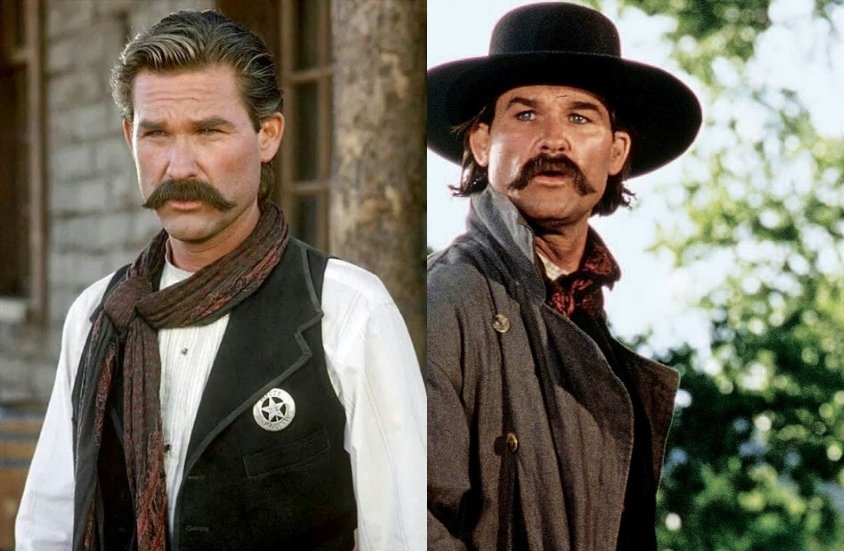
Kurt Russell has had plenty of memorable movie roles, but his hair deserves its own spotlight. One look that fans still talk about is the style he wore in Tombstone—a laid-back, collar-length cut that’s become one of the most recognizable film hairstyles of the 90s.
The cut is often described as a “soft mullet,” though it feels far more refined than the name suggests. With its layered texture, natural flow, and slightly rugged finish, it managed to strike the perfect balance between classic Western grit and everyday wearability.
Decades later, it remains a go-to reference for anyone wanting a timeless, lived-in look that doesn’t try too hard.
The Iconic “Tombstone” Haircut (Wyatt Earp)
In Tombstone (1993), Russell’s portrayal of Wyatt Earp was defined not only by his performance but also by his hair. The style was longer in the back, brushing the collar, with the sides and top layered in a way that kept everything blended and natural. Unlike sharp fades or overly polished cuts, it had an effortless flow.
The texture made all the difference. Layers throughout gave the hair movement, while the front could be parted to the side or pushed back for a cleaner feel. It was rugged enough to suit the Western setting but refined enough that it wouldn’t look out of place today. That balance is exactly why the look is still remembered—and copied—more than 30 years later.
How to Get the Kurt Russell Mullet (Instructions for Your Barber)
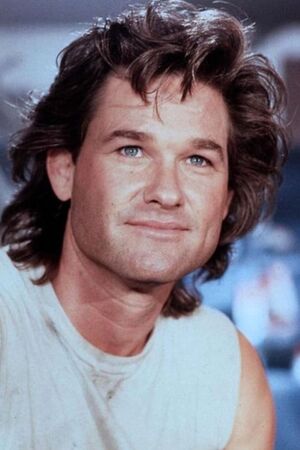
If you’re aiming to recreate Russell’s Tombstone look, the secret lies in the cut itself. It’s not just about length—it’s about how the layers are shaped and blended. Here’s what to ask for in the chair:
- Length: The back should fall to the collarbone, while the front and sides stay shorter, brushing around the cheekbones or just past the nose. This gives the soft mullet shape without looking dated.
- Blending: Tell your barber to use scissors rather than clippers. The goal is soft transitions, with no harsh lines or buzzed sections. A scissor-over-comb technique keeps the cut natural and flowing.
- Texture: Ask for layering throughout to prevent bulk. Point-cutting helps create movement, giving that slightly tousled, effortless look. This is what separates Russell’s version from a stiff, traditional mullet.
Bringing along a reference photo from Tombstone is always a smart move—it ensures your barber sees the shape and flow you’re after.
For detailed guide visit: How to Ask Your Barber for the Wyatt Earp Haircut (Tombstone)
Styling and Maintenance Tips
Getting the cut is only half the story—how you style it makes the difference between looking movie-ready and looking unkempt. The good news is Russell’s Tombstone look doesn’t demand a complicated routine.
- Trims: Plan a touch-up every 6–8 weeks. This keeps the layers balanced and the back intentional instead of scruffy.
- Hydration: A lightweight conditioner or leave-in keeps the longer ends healthy and prevents split ends.
- Products: Start with a sea salt spray or texture mist to add grip and movement. For finishing, use a matte clay or light pomade to define the layers without adding too much shine.
- Technique: After towel drying, work in product with your hands and push the hair back or to the side. Blow-drying on low heat helps build volume without losing the natural flow.
The goal is a style that feels undone but polished—rugged enough for a Western, yet modern enough to wear every day.
Kurt Russell’s Other Iconic Hairstyles
While the Tombstone cut is his most talked-about, Russell has pulled off a range of styles that show just how versatile his hair has been throughout his career.
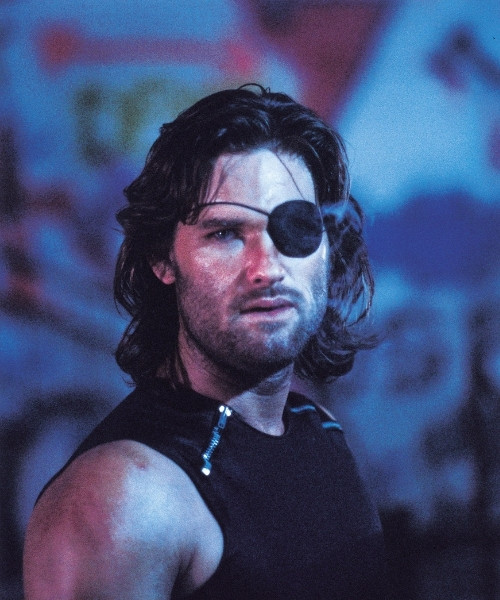
- Snake Plissken (Escape from New York/LA) – A shoulder-length, darker style with a center part and shaggy layers. It captured the rebellious, anti-hero vibe of the 80s.
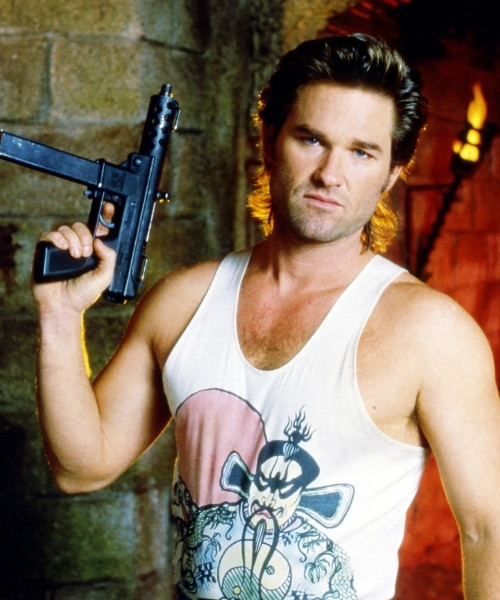
- Jack Burton (Big Trouble in Little China) – Classic 80s action hair: feathered, full of volume, and effortlessly cool. This look became a blueprint for that era’s big-screen heroes.
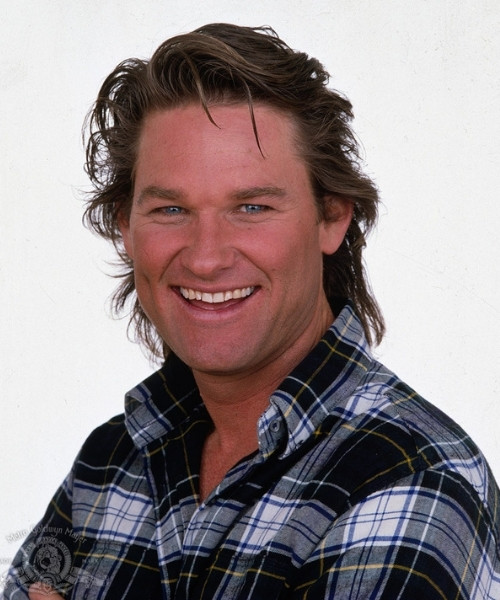
- Dean Proffitt (Overboard) – Softer and slightly longer, with a lighter blonde shade. It had a more relaxed, affluent feel compared to his grittier roles.
Each style suited the character perfectly, but all shared the same traits—texture, movement, and a lived-in quality that never felt overdone.
Conclusion: Why the Look Endures
Kurt Russell’s hair in Tombstone is more than just a film detail—it’s become a style reference point that still inspires today. The cut worked because it balanced length and texture without slipping into exaggeration. It looked rugged enough for a Western, but polished enough to feel timeless.
Whether you’re chasing the exact Wyatt Earp look or just want a modern variation, the style proves that the right blend of layers and movement can make a mullet wearable, even decades later. Russell showed that hair can shape a character—and still set trends long after the credits roll.