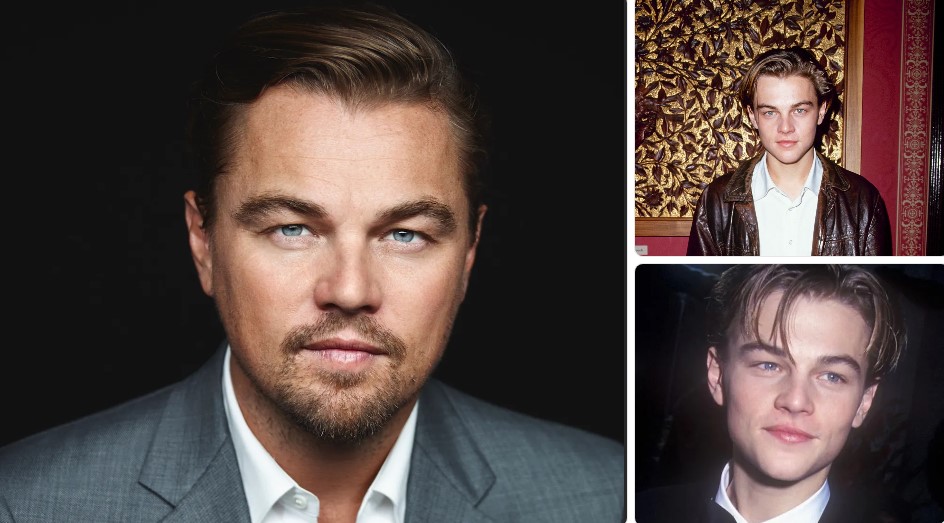
When Titanic premiered in 1997, Leonardo DiCaprio didn’t just become a global movie star. He rewired men’s grooming culture. Barbers across the world heard the same request on repeat: “Give me Leo’s haircut.” Not a character name. Not a reference photo. Just Leo.
What makes DiCaprio’s hair evolution worth serious analysis is that it was never random. Each phase reflected technical decisions by skilled stylists responding to his face shape, hair density, and one very important detail many blogs ignore: his natural cowlick at the front hairline. As his roles matured, so did the engineering behind his hair.
This is not a fan recap. This is a professional grooming breakdown of how Leonardo DiCaprio’s hairstyles evolved over three decades, why each era worked, and how men today can realistically adapt these looks.
The 1990s: Youthful Rebellion Built on Texture, Not Chaos
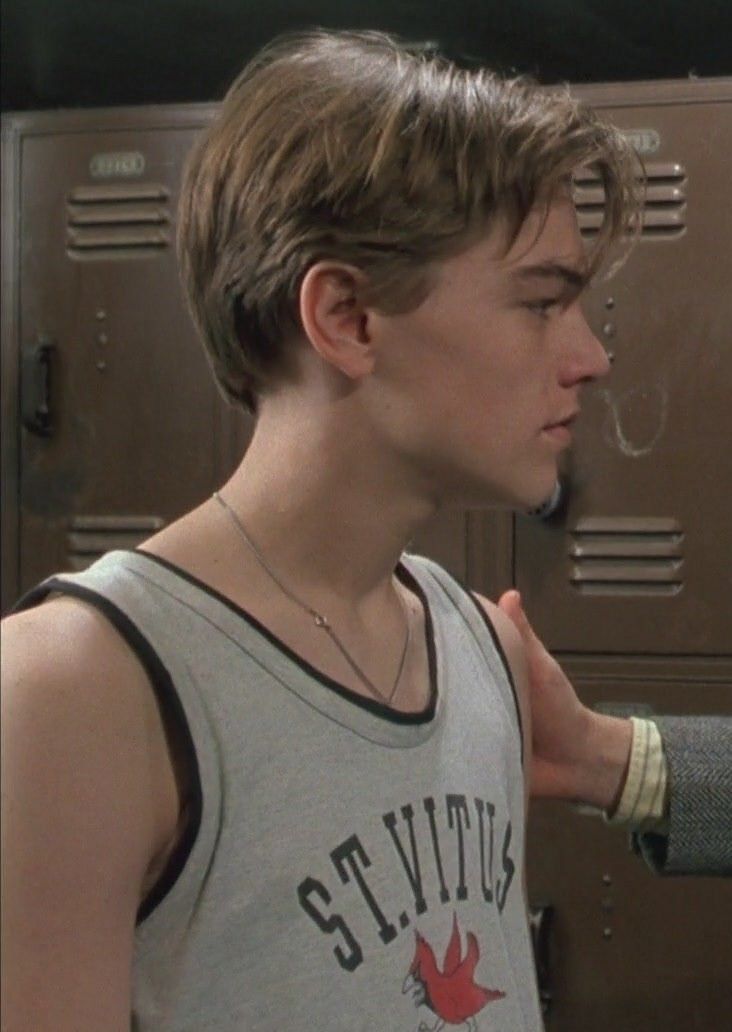
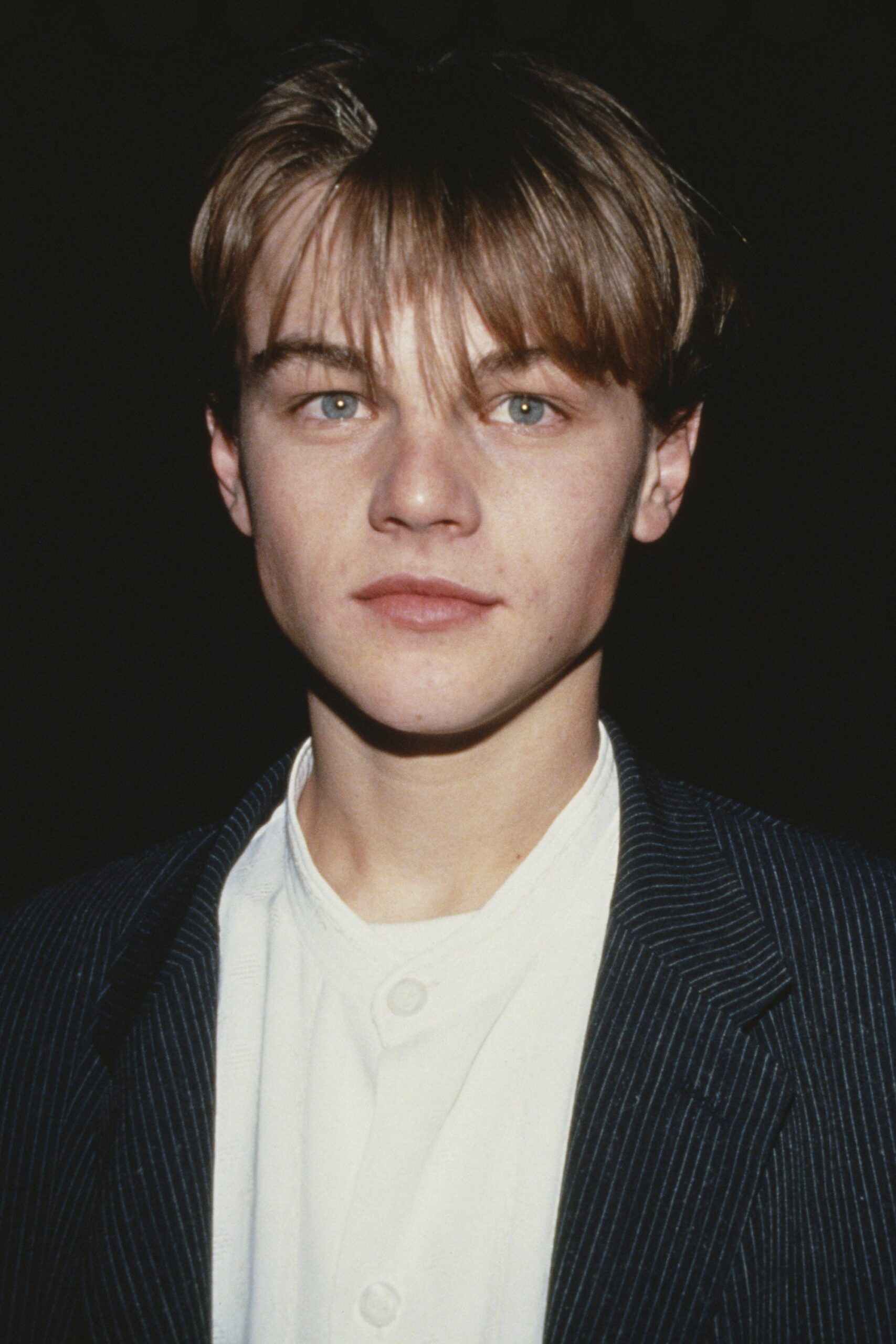
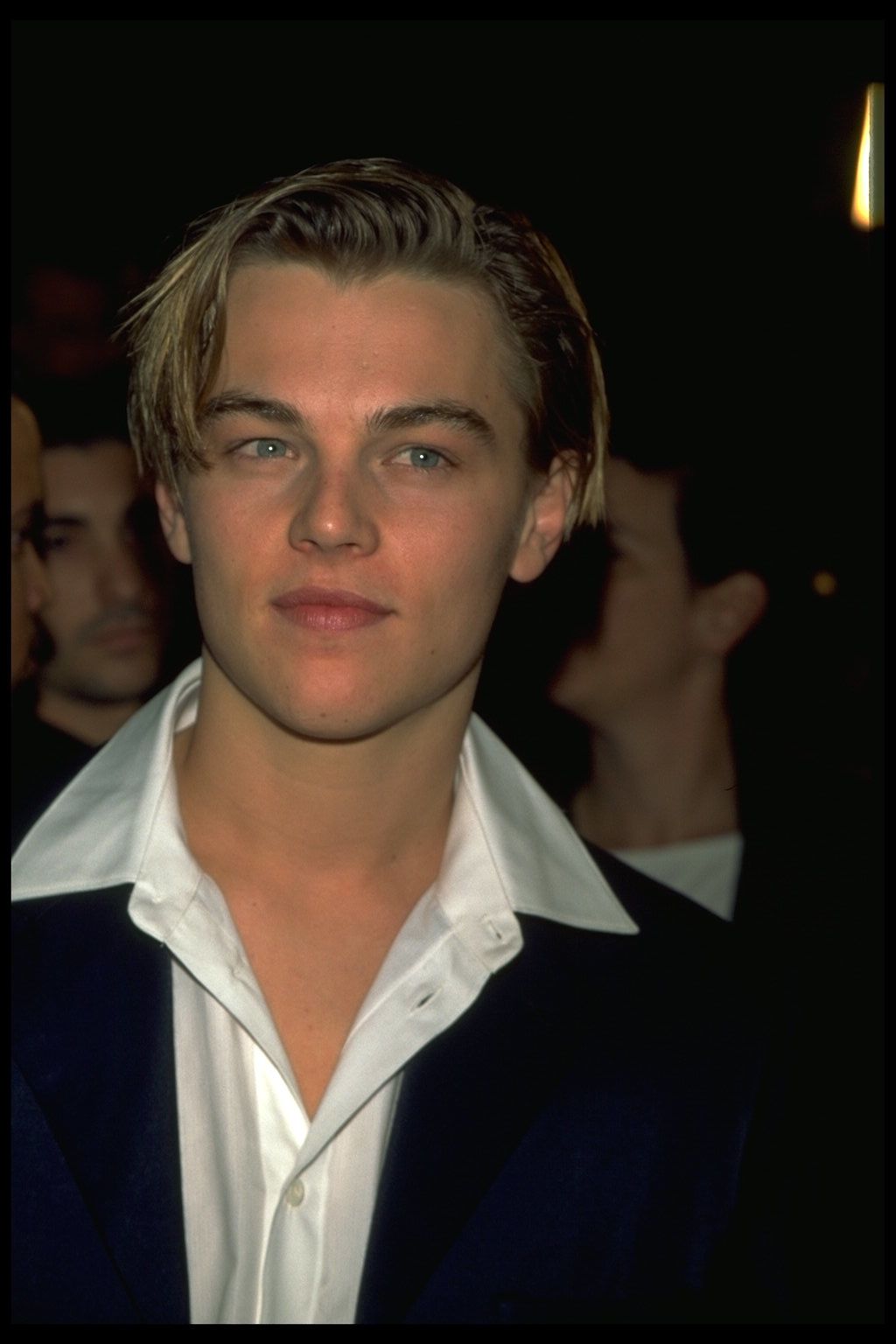
Early 1990s: The Shaggy Starter (1992–1995)
The Cut (Barber Perspective)
DiCaprio’s early 90s look was built on internal layers and point-cut ends, not neglect. The top remained long and light, while the sides were softly tapered rather than faded. The fringe, often worn forward or loosely parted, is what barbers refer to as a 90s heartthrob fringe.
This structure allowed the hair to collapse naturally around the face without forming harsh lines, which was critical for his youthful, emotionally raw roles in This Boy’s Life and The Basketball Diaries.
Why It Worked
The cut softened his cheekbones and emphasized vulnerability. During the grunge era, perfection looked artificial. Texture looked honest.
Face Shape Fit
Best suited for oval, heart, and narrow square faces. The fringe reduces forehead dominance and keeps proportions balanced.
How to Ask Your Barber
- Medium-length layered cut with point cutting
- Soft taper on the sides, no skin fade
- Fringe left long enough to fall naturally into the eyes
Product and Styling (Experience-Based)
To recreate this texture today, avoid stiff products. Use a sea salt spray like Hanz de Fuko Quicksand or a lightweight cream such as Baxter of California Cream Pomade. Apply to damp hair and either air-dry or diffuse gently to keep movement intact.
Late 1990s: The Texturized Heartthrob (1997–1998)
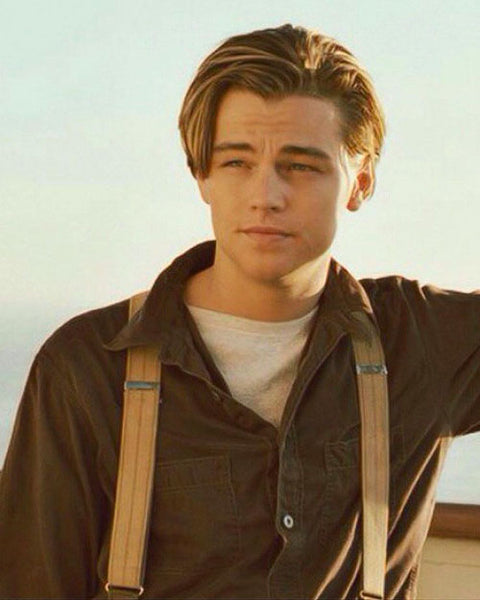
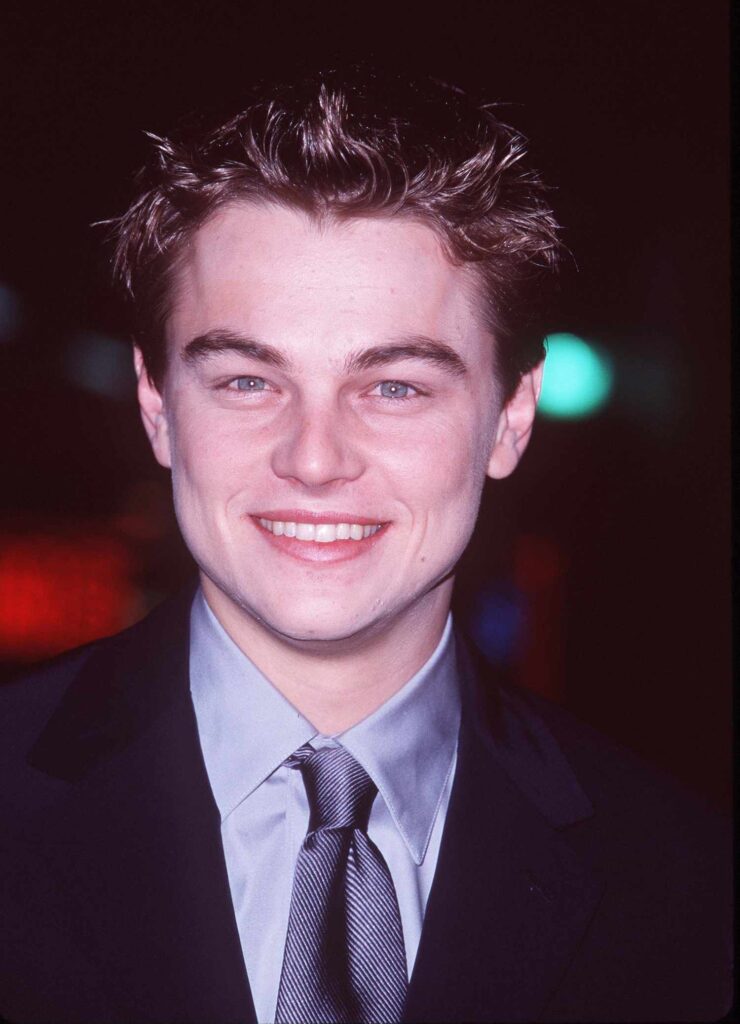
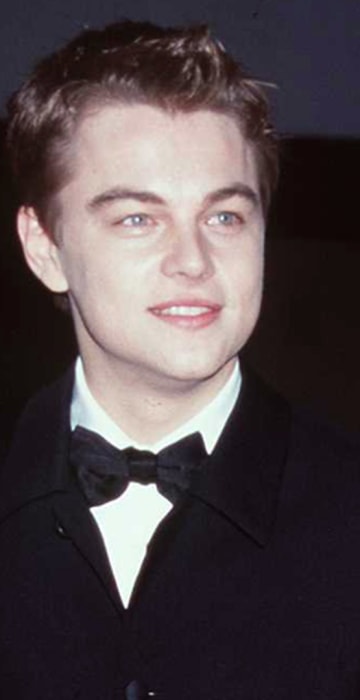
The Titanic Era, Technically Explained
The Cut
This was not “spiky hair” in the dated sense. It was a shorter perimeter cut with added length through the fringe, finished using point-cutting to create separation. The so-called spikes were actually texturized layers designed to lift, bend, and fall under movement.
Why It Worked
The structure framed DiCaprio’s face while keeping softness at the hairline. Under film lighting and close-up shots, the hair moved naturally rather than freezing in place. That balance of polish and effortlessness is why this look became iconic during Titanic premieres and award seasons.
Face Shape Fit
Ideal for oval and square faces. The vertical lift adds dimension without exaggerating angles.
How to Style It Today
To avoid the crunchy 90s look, use a modern matte product. A sea salt hybrid like Hanz de Fuko Quicksand or a flexible fiber such as American Crew Fiber works best. Apply to damp hair, blow-dry while lifting the fringe with fingers, and let the texture do the work.
The 2000s: Experimentation, Length, and Artistic Risk
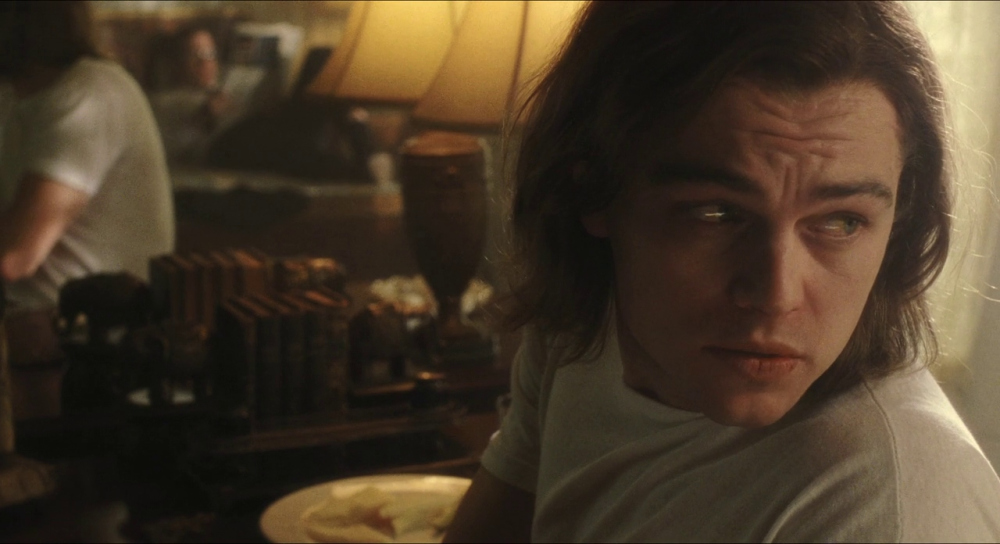
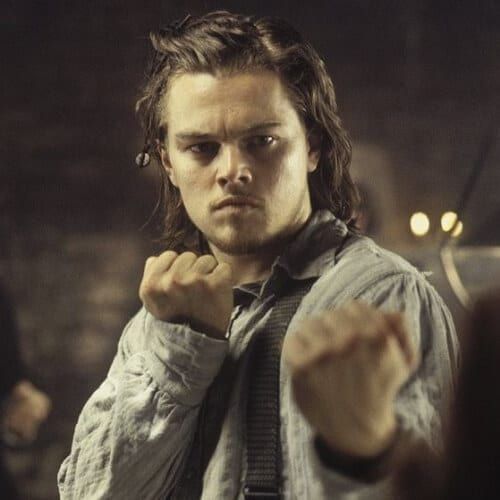

Early 2000s: Flow, Weight Control, and Intentional Length (2001–2006)
The Cut
DiCaprio’s longer hair phase relied on graduated layering rather than bulk removal. Length reached the shoulders, but mid-shaft weight was reduced to prevent heaviness. When tied back, the look functioned as a loose, practical man bun rather than a trend statement.
In Gangs of New York, the rough finish came from uneven texture and natural oil balance, not aggressive styling.
Why It Worked
Longer hair marked a deliberate exit from heartthrob branding. It visually reinforced his shift toward serious, character-driven roles.
Face Shape Fit
Best for oval and rectangular faces. Men with round faces require extra crown length to avoid widening the profile.
Maintenance Reality
This look demands care. Low-foam shampoos, lightweight conditioners, and minimal heat are essential to preserve natural wave and prevent frizz.
Late 2000s: Polished Precision and Leading-Man Authority (2007–2009)
The Cut
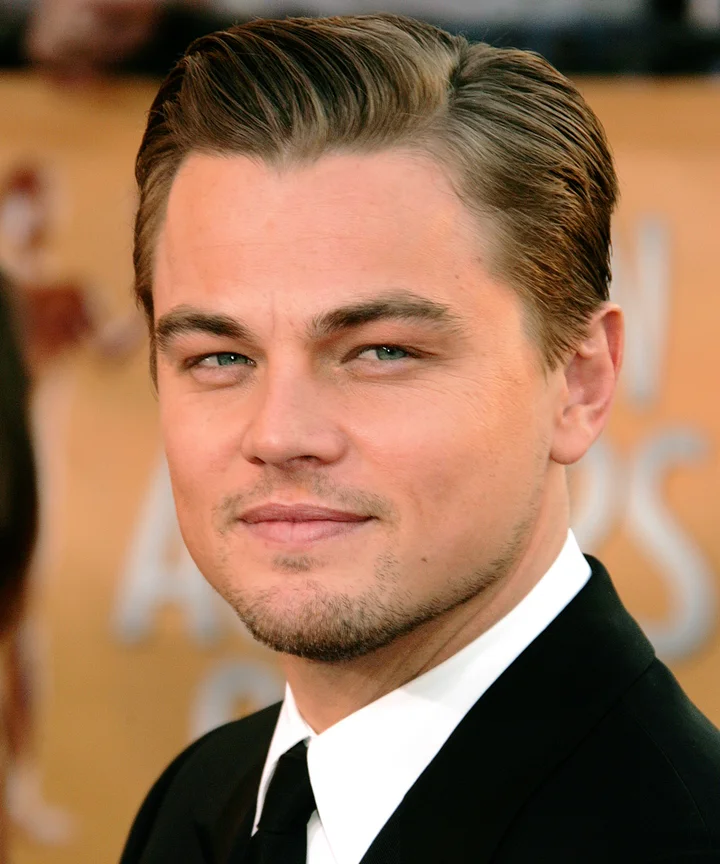
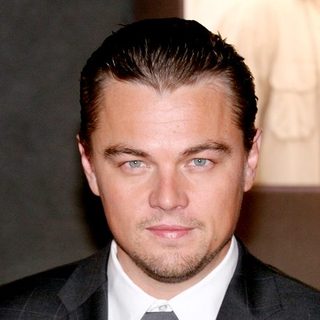
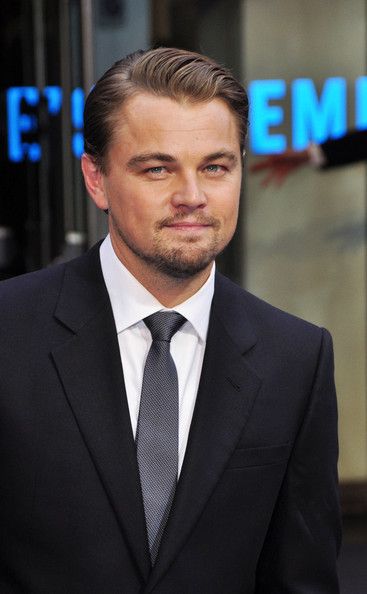
This era introduced a classic side part with a low taper. The top stayed at 4–5 inches to allow for a sculpted swoop. The sides were clean but connected, never undercut.
This structure aligned perfectly with films like Blood Diamond and set the foundation for Inception.
Barber Cheat Sheet
- Cut: Traditional executive contour
- Sides: 2-inch taper, no hard part
- Top: Long enough for controlled volume
Product Choice
Use American Crew Fiber or Layrite Natural Matte Cream for flexible hold that still looks professional under lights.
The 2010s: Structure, Then Survival
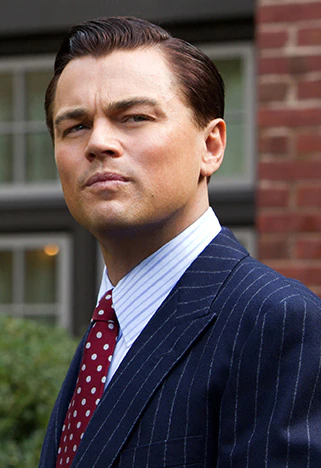
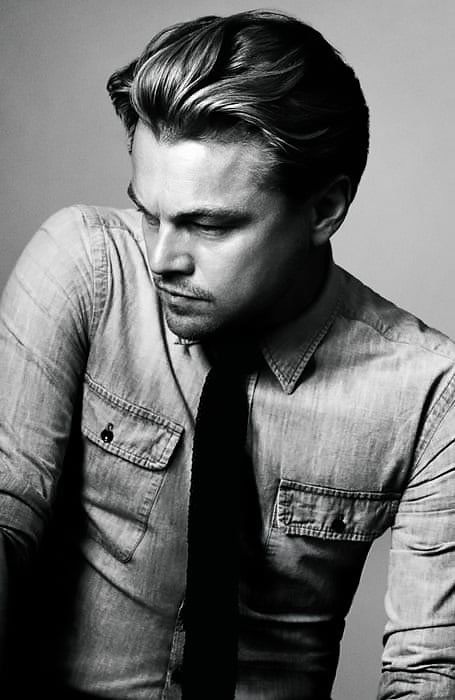
Early-Mid 2010s: Height, Shape, and Control (2010–2013)
The Cut
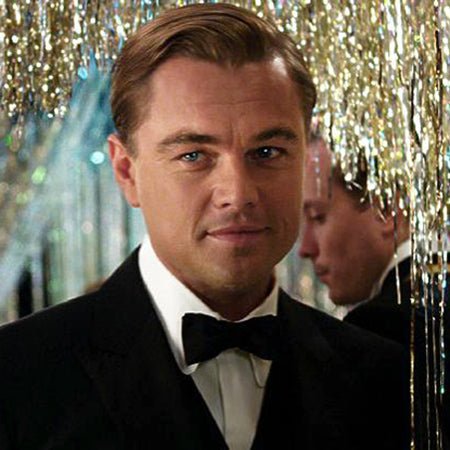
Pompadours, quiffs, and structured comb-overs defined this phase. These styles required disciplined blow-drying to manage DiCaprio’s natural cowlick and keep the hairline from splitting unpredictably.
In The Great Gatsby, the hair was classic and controlled. In The Wolf of Wall Street, the same foundation turned excessive through texture and volume.
Face Shape Logic
Ideal for round and square faces. Vertical lift elongates the face and sharpens symmetry.
The Cowlick Factor: How DiCaprio’s Hairline Is Managed
One rarely discussed detail is Leonardo DiCaprio’s natural cowlick at the front hairline, which influences nearly every one of his successful hairstyles.
Professional barbers account for this by:
- Leaving extra length at the hairline to control spring-up
- Avoiding razor cutting in the fringe, which exaggerates separation
- Blow-drying with the cowlick first, then gently redirecting
- Choosing cream-based products over dry waxes that cause flaring
This is why his best looks avoid ultra-tight fades or sharp hard parts. His stylists work with the cowlick, not against it. For men with similar growth patterns, this insight alone can prevent years of bad haircuts.
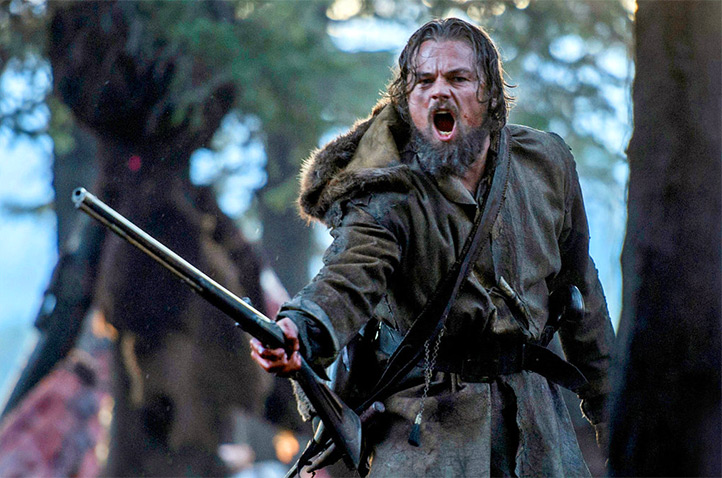
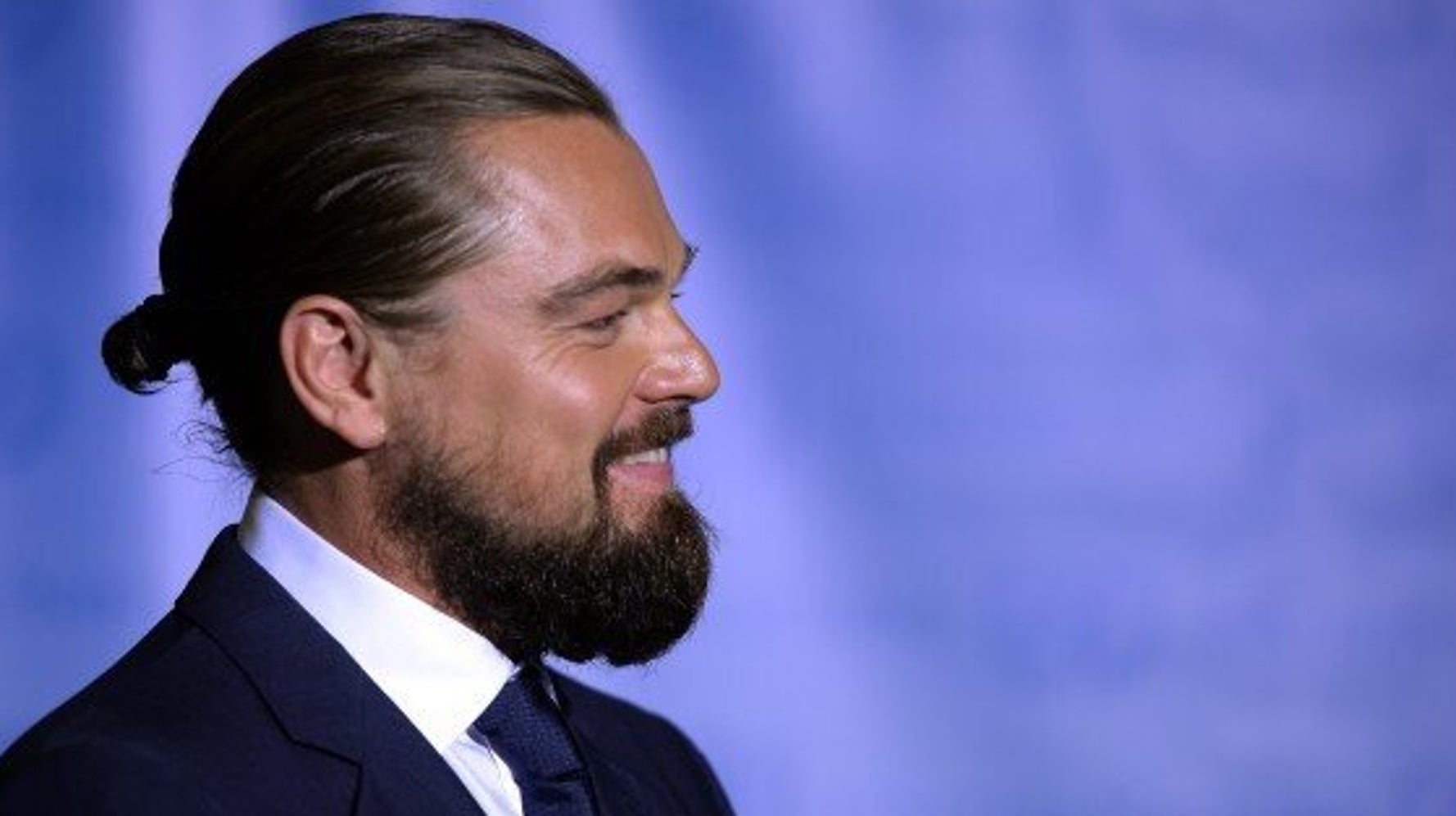

Late 2010s: The Rugged Revenant Phase (2014–2019)
The Look
Longer hair paired with full beard growth. Texture was raw and uneven, especially during The Revenant. Styling was minimal. Maintenance replaced manipulation.
Why It Mattered
This phase aligned grooming with narrative authenticity. When DiCaprio won his Oscar in 2016, the unpolished look reinforced credibility rather than distracting from it.
Maintenance Focus
Beard oils, gentle cleansers, and moisture balance mattered more than styling products.
The 2020s: Aging Gracefully Through Intentional Minimalism
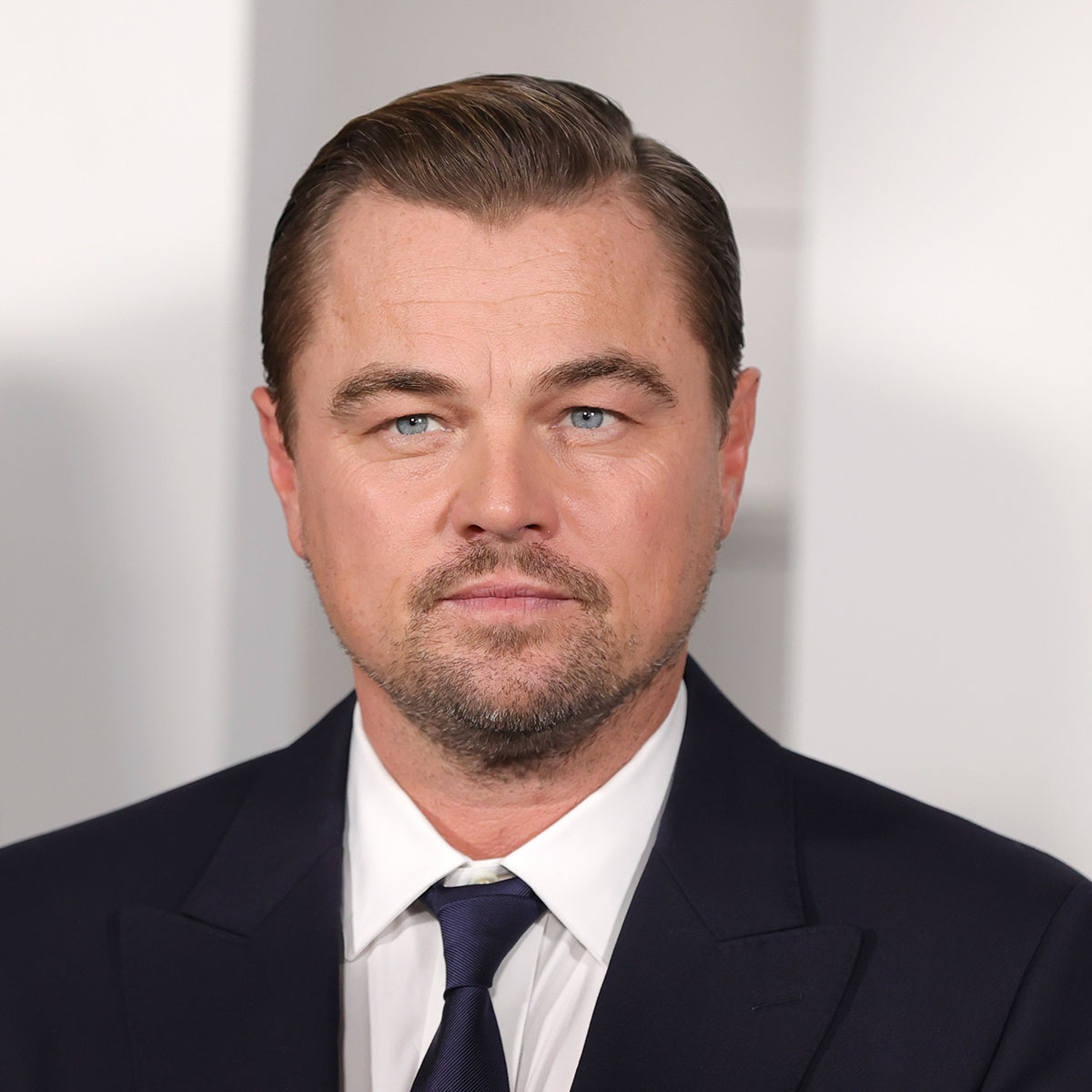
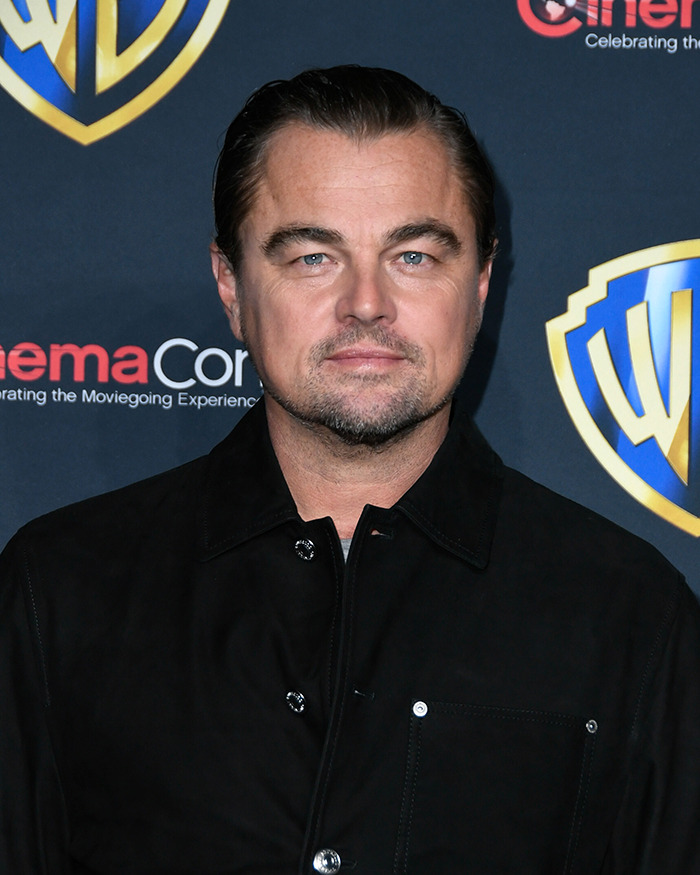
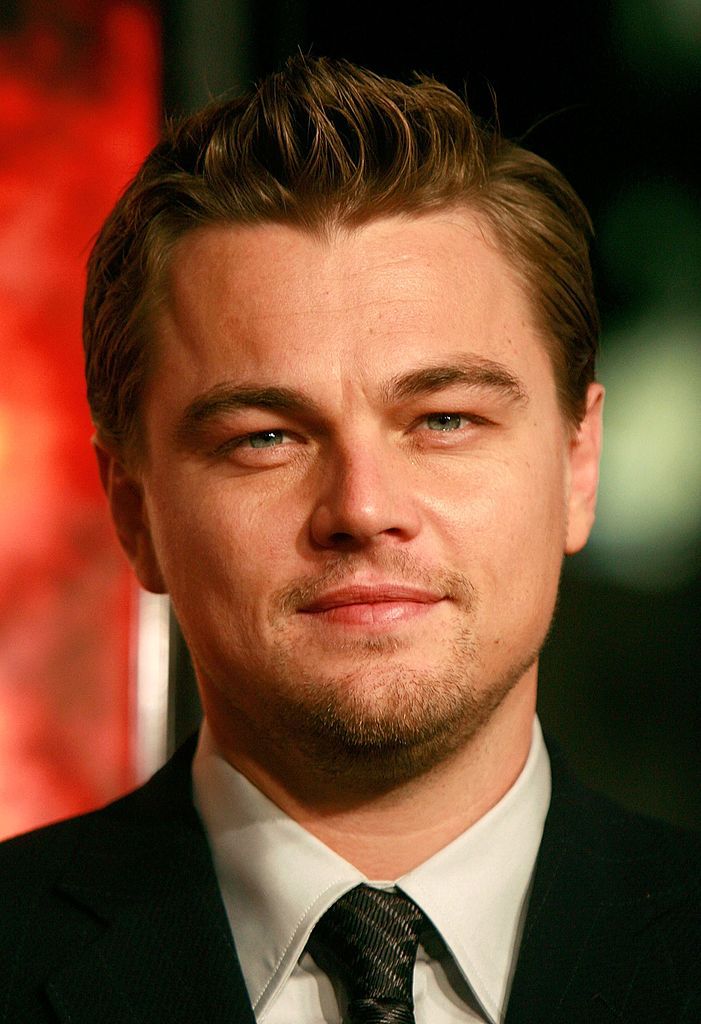
Modern Red Carpet Strategy (2020–2025)
The Cut and Finish
Recent appearances favor classic side parts, subtle front volume, and controlled slick-backs. Density is managed carefully, especially around the temples and hairline, without trying to recreate youth.
At events surrounding Killers of the Flower Moon, his hair featured a soft front lift that adds freshness without excess.
Product Choice (Modern Icon Phase)
Stylists now lean toward refined grooming creams such as Oribe Crème for Style or Patricks M2 Matte Styling Cream. These smooth the hairline, control flyaways, and preserve natural movement.
Conclusion: A Blueprint for Timeless Men’s Grooming
Leonardo DiCaprio’s hair evolution is not about trends. It is about technical adaptation. From point-cut shags to executive contours and age-aware styling, his journey reflects how great grooming evolves with the man wearing it.
He influenced barbershops worldwide not by clinging to youth, but by allowing his style to mature intelligently. That is the real lesson.
Hair should change as your face, lifestyle, and confidence change. DiCaprio’s career proves that when grooming follows growth, style does not age.