
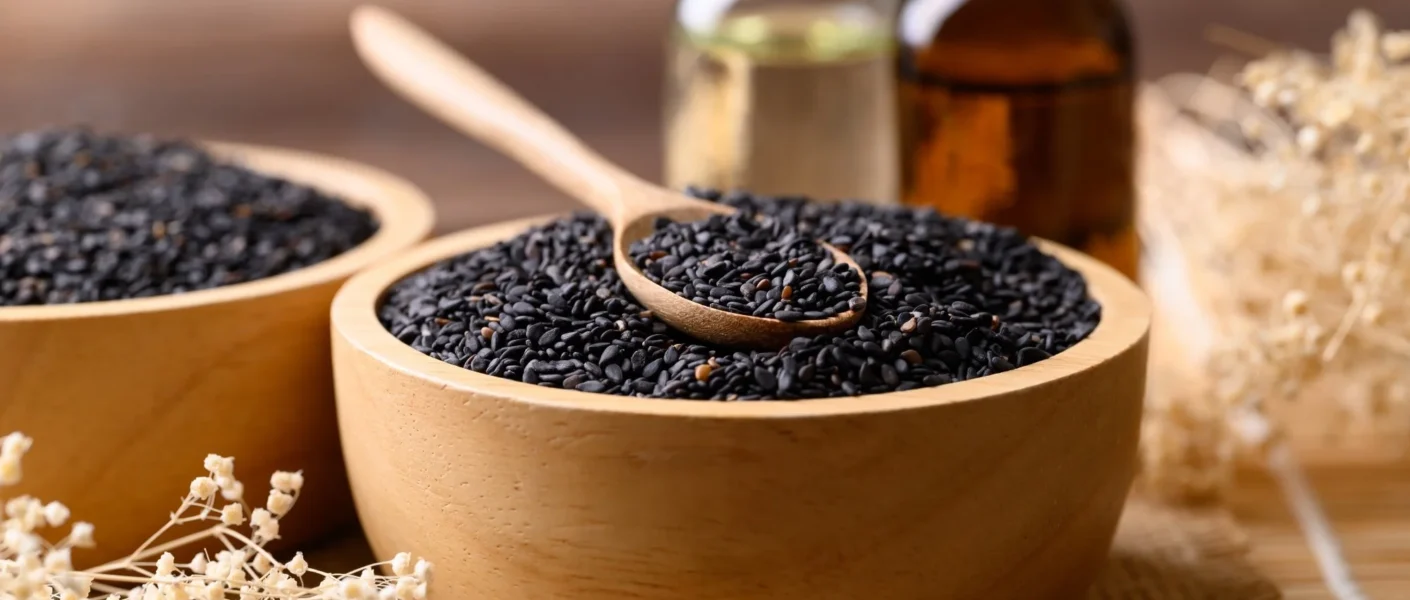
Understanding how to eat black sesame seeds can make a real difference in how much nutrition you actually absorb from them. These tiny seeds pack more antioxidants and minerals than their white counterparts — but the way you prepare them matters.
Can Black Sesame Seeds Be Eaten Raw?
Yes, you can eat them raw. However, raw seeds contain phytic acid, which blocks absorption of calcium and iron. Toasting or soaking reduces phytic acid significantly. A 2014 study in the Journal of Food Science and Technology confirmed that roasting sesame seeds at 200°C for 20 minutes improved antioxidant availability by up to 30%.
If you prefer raw, at least grind them — whole raw seeds often pass through your digestive system undigested.
Should Black Sesame Seeds Be Soaked?
Soaking for 6–8 hours breaks down enzyme inhibitors and makes nutrients more bioavailable. Simply drain, pat dry, and add to smoothies or yogurt. This method works especially well if you have sensitive digestion.
How to Consume Black Sesame Seeds Daily
Here are the most practical ways:
- Toasted as topping — sprinkle on rice, salads, or soups
- Ground into powder — mix into oatmeal, smoothies, or baking
- Black sesame paste — spread on toast or stir into warm milk
- Mixed with honey or ghee — a traditional Ayurvedic method that enhances absorption
- In Asian desserts — tang yuan, mochi, or Chinese black sesame soup
One tablespoon (about 9g) delivers roughly 88mg of calcium, 1.3mg of iron, and 4.7g of healthy fats.
How Much Black Sesame Seeds to Eat Per Day?
Most nutritionists recommend 1–2 tablespoons daily. Going beyond 3 tablespoons may cause digestive discomfort or loose stools due to high fiber and oil content.
Black Sesame Seeds Benefits for Hair and Grey Hair
A 2017 study published in the Journal of Cosmetic Dermatology found that melanin-boosting compounds in black sesame seeds may help slow premature greying. Traditional Chinese medicine has used them for hair health for centuries. For best results, consume 1 tablespoon of ground seeds daily for at least 3 months.
Is It Okay to Eat Black Sesame Every Day?
Absolutely — for most people. Daily consumption has been linked to lower blood pressure (a 2011 study in the Journal of Medicinal Food showed reductions after 60 days) and improved bone density thanks to high calcium content.
That said, people on blood-thinning medications should consult a doctor first. And anyone with sesame allergies — which have been rising — should obviously avoid them entirely.
FAQ
Do Sesame Seeds Raise Triglycerides?
No evidence suggests this. In fact, a 2012 study in the European Journal of Clinical Nutrition found sesame consumption actually reduced triglyceride levels in participants over 6 weeks.
Black vs White Sesame — What’s the Difference?
Black sesame seeds have a slightly stronger flavor, higher antioxidant content (due to the hull), and more calcium. White seeds taste milder and work better in light-colored dishes. You can eat both together without any issues.
How to Store Them?
Keep in an airtight container in the fridge. Whole seeds last up to 6 months; ground sesame goes rancid faster, so use within 3–4 weeks.
Final Thoughts
Black sesame seeds are one of those small additions that genuinely impact your health over time. Toast or soak them for better absorption, stick to 1–2 tablespoons a day, and be consistent. Whether you blend them into a morning smoothie or enjoy traditional black sesame soup — the key is making it a habit.