
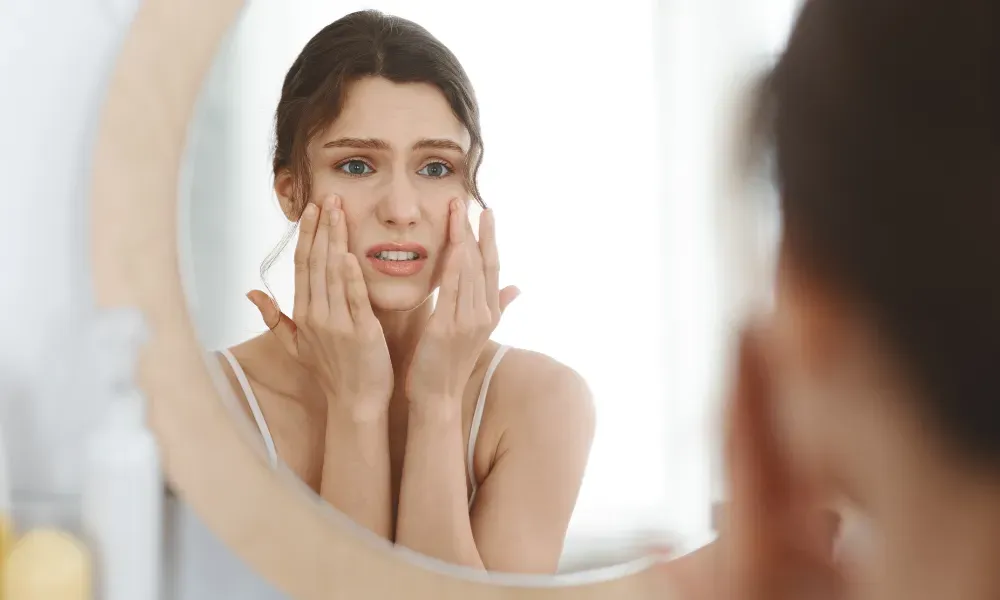
Healthy, youthful-looking skin is not just about genetics or expensive beauty treatments. Your everyday habits, stress levels, environment and skincare choices all influence how your skin looks and feels. For people living in Switzerland, seasonal temperature changes, dry winter air, sun exposure and demanding schedules can make maintaining healthy skin particularly challenging.
The good news? Understanding the connection between stress and skin health can help you build a practical skincare routine that supports your skin’s natural resilience.
Understanding the Connection Between Stress and Skin Health
Stress is a normal part of life, but prolonged psychological stress can affect the skin in several ways.
When you experience stress, your body releases hormones, including cortisol. These responses can influence inflammation, oil production and the skin’s ability to maintain a healthy protective barrier.
According to the American Academy of Dermatology, stress can worsen existing skin conditions, including acne, eczema and psoriasis. Research also suggests that psychological stress can interfere with skin barrier function, potentially increasing moisture loss and sensitivity.
Common signs of stressed skin include:
- Increased dryness or tightness
- Breakouts and excess oil production
- Redness and irritation
- A dull or uneven-looking complexion
- More noticeable fine lines when skin is dehydrated
While skincare products cannot eliminate emotional stress, a carefully selected routine can help address some of its visible effects on the skin.
Why Science-Based Skincare Matters
With countless beauty products promising dramatic transformations, choosing effective skincare can feel overwhelming.
The most useful approach is to focus on well-studied ingredients, appropriate formulations and realistic expectations.
Several ingredients have established roles in skincare:
Hyaluronic acid: A humectant that attracts and helps retain moisture, temporarily improving the appearance of dehydrated skin.
Vitamin C: An antioxidant used in skincare to help address uneven skin tone and support protection against oxidative damage.
Retinoids: Vitamin A derivatives that can help improve the appearance of fine lines, uneven texture and some pigmentation concerns with consistent, appropriate use.
Ceramides: Lipids that help maintain the skin’s protective barrier and reduce moisture loss.
Broad-spectrum sunscreen: One of the most important products for preventing UV-related premature skin ageing.
The effectiveness of a product depends not only on its ingredients but also on its formulation, concentration, stability and suitability for your skin.
Discovering Professional Skincare in Switzerland
For Swiss consumers interested in advanced skincare, choosing a supplier that emphasizes formulation quality and skin-specific solutions can make product selection easier.
One example is IMAGE Skincare, available through Swiss skincare specialist Skintes. Established in 2006, Skintes has developed its presence in the professional aesthetics and premium skincare market, with an emphasis on scientific innovation and carefully selected products.
The Swiss IMAGE Skincare collection includes products designed for different skin concerns, such as VITAL C for hydration-focused care, AGELESS and AGELESS+ for visible signs of ageing, and DAILY PREVENTION for daytime sun protection.
These collections reflect the growing interest in combining active skincare ingredients with simple, consistent daily routines.
However, even premium products should be evaluated according to individual skin needs. A product that works well for one person may not be suitable for someone with highly sensitive or reactive skin.
Building a Skincare Routine That Supports Stressed Skin
A good routine does not need ten different products. In fact, using too many active ingredients can increase irritation, particularly when the skin barrier is already compromised.
Morning: Protect and Hydrate
Start with a gentle cleanser if needed, followed by a moisturizer suited to your skin type.
An antioxidant serum may be a useful addition for those concerned about dullness or uneven skin tone.
Finish with broad-spectrum sunscreen offering SPF 30 or higher. UV protection remains essential throughout the year, including during Switzerland’s colder months.
Evening: Cleanse and Support Recovery
Remove sunscreen, makeup and daily impurities with a mild cleanser.
Apply a moisturizer containing barrier-supporting ingredients, particularly if your skin feels dry or tight.
For concerns such as fine lines or uneven texture, a retinoid may be appropriate. Begin slowly and follow product directions, since excessive use can cause dryness and irritation. Retinoids should be avoided during pregnancy.
Above all, consistency matters more than complexity.
Adapting Your Skincare to the Swiss Climate
Switzerland’s varied climate creates different skincare needs throughout the year.
During winter, cold outdoor temperatures and heated indoor spaces can contribute to dryness. Richer moisturizers and gentle cleansing can help reduce discomfort.
In summer, lightweight moisturizers and dependable UV protection may be more comfortable, especially during outdoor activities.
Mountain environments deserve particular attention. At higher altitudes, UV exposure increases, while snow can reflect sunlight and contribute to additional exposure.
Whether you spend your day in Zurich, Geneva, Basel or the Swiss Alps, adapting your routine to the weather and your activities is more useful than following the same rigid routine all year.
Everyday Habits That Help Your Skin Stay Healthy
Topical skincare works best as part of a broader approach to well-being.
Prioritize sleep. Maintain a regular sleep schedule to support overall health and recovery.
Manage daily stress. Breathing exercises, walking, yoga or mindfulness can help some people manage stress and improve their quality of life.
Eat a balanced diet. Include a variety of fruits, vegetables, protein sources and healthy fats to support general health and normal skin function.
Stay physically active. Regular movement supports physical and emotional well-being.
Avoid harsh skincare habits. Over-exfoliation, frequent product changes and aggressive cleansing can irritate the skin rather than improve it.
These habits will not stop biological ageing, but they can support long-term skin health and help you feel more comfortable in your skin.
Can Skincare Really Help You Look Younger?
Scientifically supported skincare can improve certain visible signs of ageing, but results are usually gradual and depend on the individual.
Moisturizers can temporarily soften the appearance of dehydration-related fine lines. Retinoids may improve some signs of photoageing over time, while sunscreen helps prevent additional UV-related damage.
No cream can completely reverse ageing or compensate for every effect of chronic stress.
The most effective long-term strategy combines sensible skincare choices, sun protection, stress management and realistic expectations.
Conclusion: Healthy Skin Begins With Consistent Care
Maintaining youthful-looking skin is not about chasing perfection. It is about understanding what your skin needs and giving it consistent support.
For people in Switzerland balancing busy lifestyles with changing environmental conditions, gentle cleansing, effective hydration, reliable sun protection and carefully selected active ingredients provide a practical foundation.
Science-informed skincare can be a valuable part of that approach, particularly when paired with healthy daily habits.
By focusing on long-term skin health rather than quick fixes, you can help maintain a comfortable, resilient and healthy-looking complexion through every season of life.
If you experience persistent irritation, inflammatory skin conditions or unexplained skin changes, consult a qualified healthcare professional or dermatologist.