
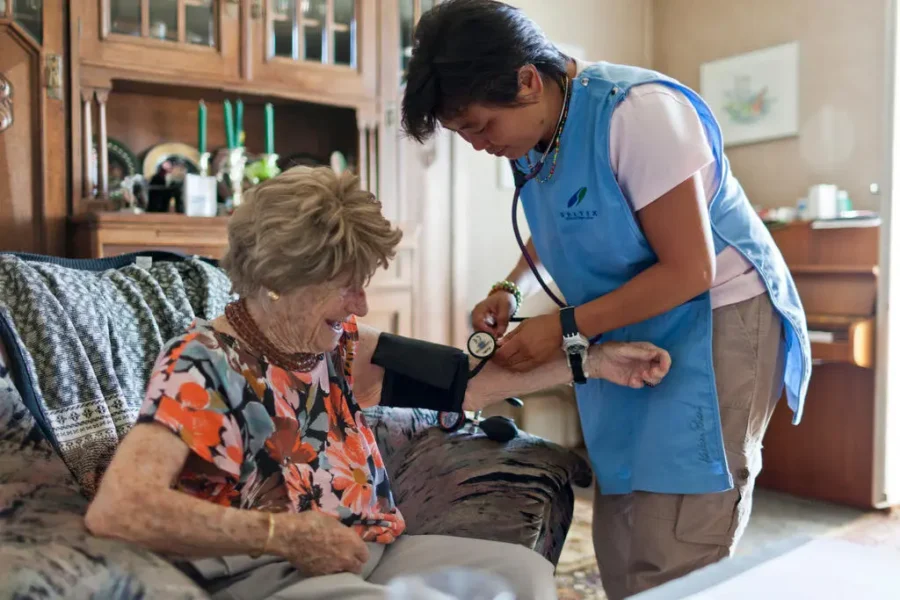
Finding reliable in-home senior care in Switzerland is a growing priority for families wanting to help their aging loved ones maintain their independence. As our parents age, a familiar environment becomes more than just a comfort—it becomes a lifeline to their memories, identity, and well-being. The “golden years” should be a time of peace and enjoyment. Yet, for many families, the declining health of aging parents brings a wave of difficult decisions. While nursing homes have traditionally been the go-to solution, there is a growing shift toward aging in place. Allowing seniors to stay in the walls that hold their life stories offers unparalleled emotional and physical benefits.
Signs Your Elderly Parent Needs In-Home Care
Before exploring care options, families must recognize when extra help is needed. If you notice your parent missing medication doses, struggling to maintain their personal hygiene, experiencing unexplained weight loss due to an inability to cook, or leaving household chores undone, it may be time to intervene. Frequent falls, forgetfulness, and withdrawing from social activities are also critical red flags.
More specifically, if your loved one is struggling with Activities of Daily Living (ADLs) like bathing, dressing, or using the restroom, or if you as a family member are experiencing severe caregiver burnout, it is time to consider professional support. Acknowledging these signs early allows families to transition smoothly into a care system before a medical crisis occurs.
The Profound Benefits of In-Home Support
The most significant advantage of in-home support is the preservation of dignity and independence. Moving to an institutional facility often means adhering to strict schedules and losing personal space. In-home care flips this dynamic. The senior remains the master of their domain, allowing them to wake up, eat, and spend their day on their own terms.
Furthermore, staying at home eliminates the stress and confusion that often accompany a major move. This is particularly crucial for individuals requiring specialized dementia care or Alzheimer’s support. Familiar sights, sounds, and smells have been scientifically proven to reduce anxiety and slow cognitive deterioration. Being near cherished pets, personal gardens, and familiar neighborhoods provides a sense of continuity that no facility can replicate.
The Importance of Compassionate, Professional Caregivers
Aging in place is only successful when paired with the right level of support. Professional caregivers step in not just as medical aides, but as companions and advocates. However, families often worry: who exactly is coming into my parent’s home?
Reputable care providers ensure their caregivers are thoroughly vetted with background checks and hold proper certifications in elderly care and first aid. Beyond physical tasks like medication management and meal preparation, these professionals are trained to handle medical emergencies. Should a senior fall or experience a sudden health crisis in the middle of the night, a trained caregiver knows exactly how to administer first aid and coordinate immediately with local Swiss doctors and emergency services.
How Does 24-Hour Live-In Care Work?
For families seeking a comprehensive solution, 24-hour care or live-in care is an excellent model, but it comes with practical questions. How does it actually work?
- Living Arrangements: The caregiver will require a separate, private bedroom in the senior’s home to rest and recharge.
- Schedules and Time Off: Caregivers do not work 365 days a year. Typically, live-in caregivers rotate in shifts (e.g., two weeks on, two weeks off) to ensure the senior always has a rested, attentive professional on hand. This rotation also provides necessary respite care for the caregivers.
- Language and Cultural Matching: In Switzerland, cultural and linguistic alignment is vital. Care agencies prioritize matching seniors with caregivers who speak their local dialect (whether Swiss-German, French, or Italian) and share similar cultural backgrounds, ensuring genuine companionship and seamless communication.
The Cost of Live-In Senior Care in Switzerland
One of the biggest concerns for families is affordability. With Switzerland’s aging population growing rapidly—according to the Swiss Federal Statistical Office, the number of people over 65 is projected to rise significantly in the coming decades—the demand for quality in-home care has never been higher.
While in-home care requires an investment, live-in care is often comparable to—or even more cost-effective than—a private room in a Swiss nursing home, especially for couples aging together. In Switzerland, basic health insurance (Krankenkasse) may cover certain medical tasks prescribed by a doctor, though comprehensive live-in care is typically paid out-of-pocket or through supplementary long-term care insurance (Pflegeversicherung) and AHV/IV contributions. Families are encouraged to consult with care providers to navigate the financial logistics and understand exactly what financial aid is available to them.
Heartfelt Care in Switzerland
Finding an agency that understands both the emotional and practical sides of aging can be overwhelming. In Switzerland, this heartfelt model of live-in care has been beautifully refined by Sandra’s Huusengel (known online as huusengel.ch). Often referred to locally as Seniorenbetreuung, this professional senior care service ensures elderly individuals receive tailored, round-the-clock support directly within their own homes.
The process of getting started is designed to be stress-free. Providers like Sandra’s Huusengel typically begin with a free, no-obligation consultation to assess the senior’s specific needs, home environment, and personality. From there, they handle the meticulous matching process, striving to find a caregiver who is not just qualified, but a true personality fit. Many agencies also offer a trial period, ensuring both the senior and the caregiver are comfortable, giving families ultimate peace of mind.
Frequently Asked Questions About Senior Care
What is the difference between live-in care and 24-hour care?
Live-in care involves a caregiver residing in the home, requiring rest periods and a private bedroom, typically working in rotating shifts (e.g., two weeks on/off). 24-hour care usually involves multiple caregivers working 8-to-12-hour shifts in rotation to provide continuous, awake care around the clock.
Does Swiss health insurance pay for Seniorenbetreuung?
Basic Swiss health insurance (Krankenkasse) generally covers acute medical care and prescribed nursing tasks, but it does not cover the comprehensive cost of live-in companionship and household help. These services are typically paid out-of-pocket or supplemented by supplementary long-term care insurance (Pflegeversicherung) or municipal/cantonal subsidies.
How do I know if my parent needs a live-in caregiver?
If your parent is consistently struggling with Activities of Daily Living (ADLs) like bathing, cooking, or taking medication, experiencing frequent falls, showing signs of dementia, or if you as a family member are experiencing caregiver burnout, it is time to consider live-in senior care.
Conclusion
Choosing the right care for an aging loved one is a deeply personal decision. It requires balancing medical needs, financial logistics, and emotional well-being. In-home senior care bridges this gap, offering a solution that respects the senior’s history while providing for their future. By enlisting the help of professional, compassionate caregivers, families can rest easy knowing their loved ones are safe, respected, and thriving in the place they love most: home.
