For many people, the hardest part of a hair transplant is not the procedure itself. It is the thought of walking into the office on Monday with a freshly shaved head and a scalp that clearly tells a story. That concern has made the unshaven approach increasingly popular, particularly among people who value privacy. Here is how it works, who it tends to suit, and what shapes the final bill.
What Discretion Really Means After Surgery
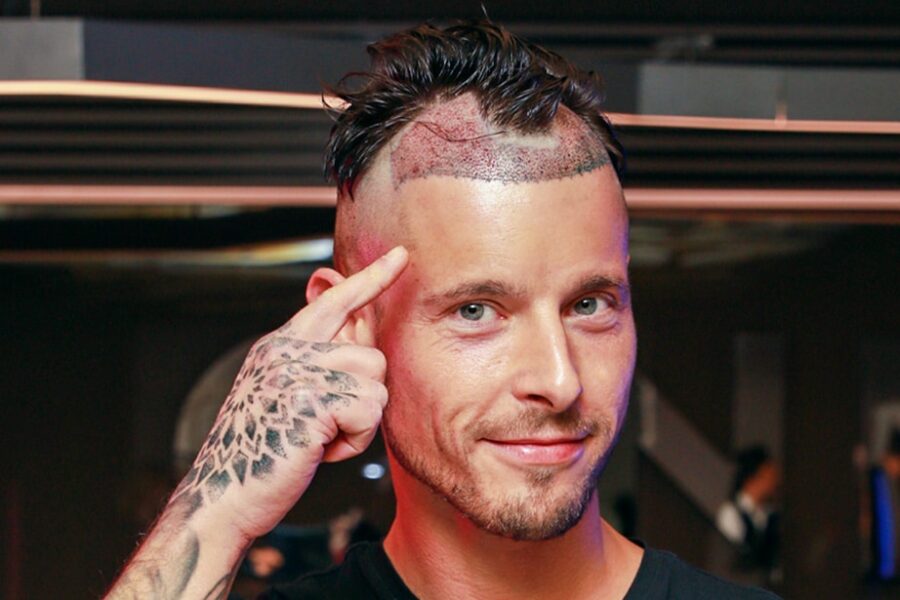
A standard procedure usually involves shaving the entire head. The donor area at the back and sides is clipped short so individual follicles can be extracted, and the recipient area is shaved so the surgeon can see the angle of existing hair. The result is efficient for the team but very visible for the patient during the first couple of weeks.
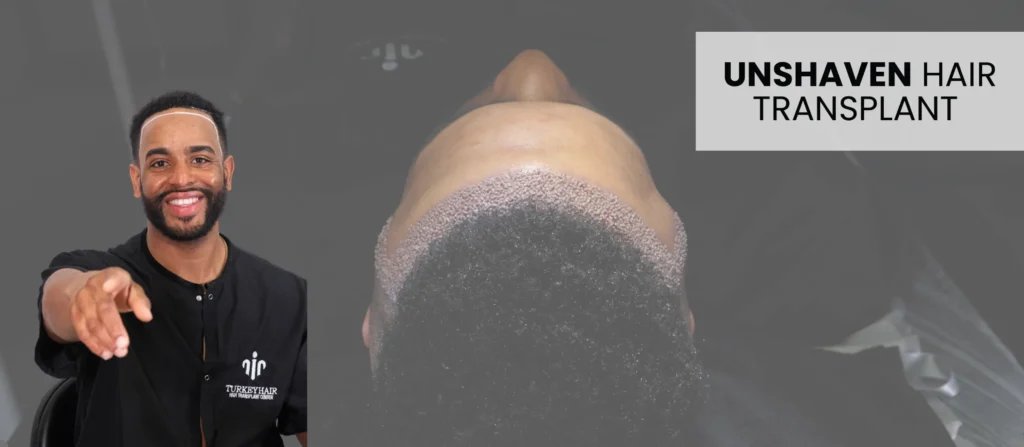
A no-shave hair transplant aims to keep your overall look intact. Longer hair is left in place so it can fall over the worked areas and hide them while the scalp heals. For someone who cannot easily take a long break from work, social events or camera-facing roles, that difference can be significant.
The Main Variations You Will Hear About
The phrase covers several approaches, and it is worth asking which one a surgeon actually means.
Fully unshaven
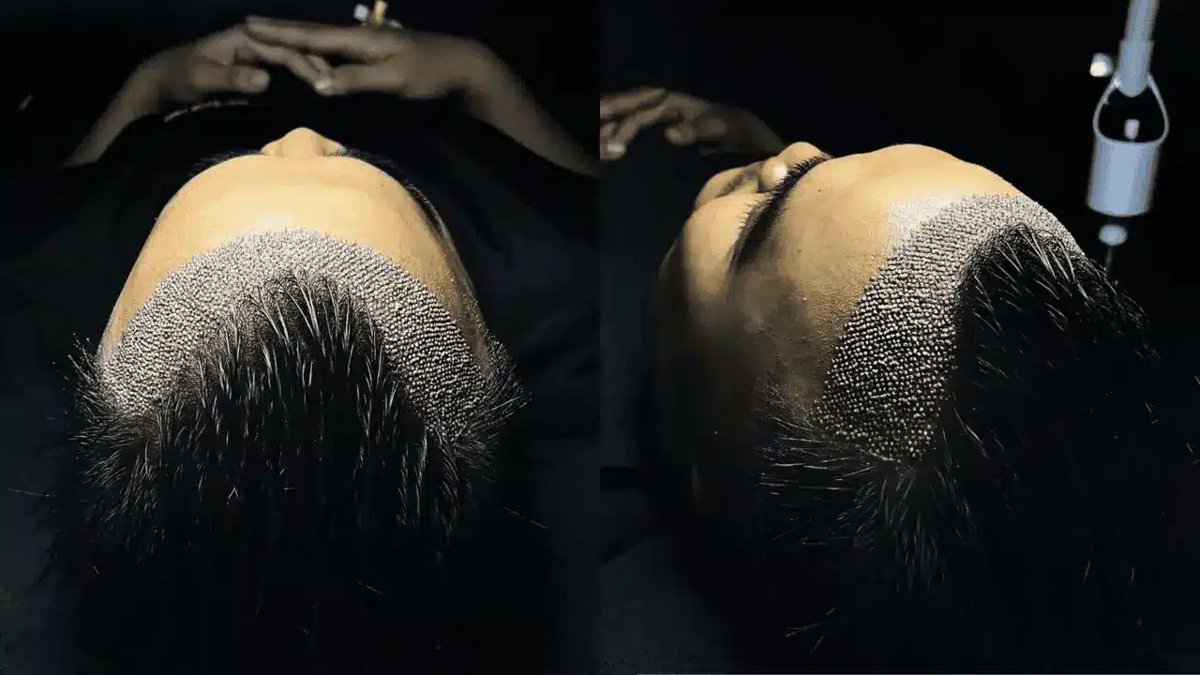
Hair is kept at full length throughout. The surgeon trims only the individual hairs being extracted, one by one, and implants grafts with their length intact or slightly shortened. It is meticulous, slow work and is usually limited to smaller sessions.
Partially shaven or strip-shaven
Narrow bands are shaved in the donor area, positioned so that the hair above can be combed down to cover them. The top of the head often stays unshaven. Many people see this as a practical middle ground, because it allows a larger number of grafts while still keeping the change discreet.
Long-hair implantation
Some teams place grafts with longer hair still attached, which can give an immediate preview of the hairline. Patients should know that these hairs usually shed within the first weeks, as with any transplant, before new growth arrives.
Who Tends to Be a Good Candidate
An unshaven procedure works well for some people and is less suited to others. A qualified doctor will assess your scalp, but these points are commonly considered:
- early to moderate hair loss, often around the hairline or temples
- existing hair long enough to cover small treated areas
- a need for a relatively modest number of grafts
- a healthy donor area at the back of the head
- realistic expectations about how much can be done in one session
Those with extensive thinning or very short hairstyles may be advised that a traditional shaved approach is more effective. It is better to hear that honestly than to compromise the outcome for the sake of privacy.
What Affects the Price
Unshaven work generally takes longer than a standard session, and time in theatre is one of the drivers of cost. Even so, there is no single figure that applies to everyone, and any quote you receive should be tailored to your scalp. When comparing hair transplant prices, look closely at what each one contains.
- the number of grafts planned and how that estimate was reached
- whether the procedure is fully or partially unshaven
- the extraction and implantation method being used
- the experience of the surgeon and the size of the team
- medication, dressings and aftercare products
- follow-up appointments and remote support
- accommodation and transfers, if travelling abroad
How to Ask for a Clear Quote
A trustworthy provider should be comfortable putting everything in writing. Request an itemised quote that separates the medical procedure from extras such as travel or hotel stays. If a package looks unusually low, ask what is missing, who performs each step, and whether the procedure takes place in a licensed hospital or authorised medical facility.
It is also sensible to confirm whether a second session could be needed for density, and roughly when that would be considered. A plan that looks inexpensive today can become costly if it leaves gaps that need correcting later.
Recovery Without the Reveal
Even with longer hair, the scalp still goes through the usual healing stages. Mild redness and tiny crusts typically settle within about ten days, and longer hair helps conceal them. Transplanted hairs often shed somewhere between two and eight weeks, and fresh growth tends to appear around three to four months. Most surgeons judge the final result at around a year.
Follow the washing instructions closely, avoid tight hats in the early days and ask your doctor before returning to the gym or colouring your hair.
The Takeaway
An unshaven procedure can let you restore your hairline without announcing it to everyone you meet. It suits some patients better than others, and it often requires more time from the surgical team. Ask for an honest assessment, a written breakdown of costs and a clear recovery plan before you decide.