The 1990s were not subtle. Music was louder. Sports stars were bigger. Television personalities felt larger than life. And hair followed the same rule.
No haircut captures that era’s attitude better than the 90s mullet.
This was not the ironic, trimmed-down version you see today. This was a full-commitment hairstyle. Controlled enough in front to pass in public. Absolutely out of control in the back once the night started. That contrast is why the mullet mattered and why it still gets talked about decades later.
This ranking looks at the greatest 90s mullets, judged on one core metric only: peak “party in the back” energy.
Not who was most handsome. Not who aged best. But whose hair best captured the spirit of the decade when the back half did all the talking.
If you are researching 90s mullet hairstyles, iconic mullets, celebrity mullets, or how the mullet evolved, this guide gives you the full picture.
How “Party in the Back” Energy Is Judged
Before ranking, we need shared rules. A true 90s mullet is not just “long hair.”
Each entry was evaluated on five factors:
Back Length & Movement
The back must be long enough to move. Static hair does not party.
Front-to-Back Contrast
The sharper the contrast between “respectable front” and “chaotic back,” the stronger the mullet identity.
Density & Shape
Thin wispy backs read weak. Great mullets have weight and bounce.
Cultural Visibility
The haircut had to be widely seen during the 1990s, not retroactively styled.
Commitment
Temporary experiments score lower than long-term identity hair.
The Top 10 Greatest 90s Mullets
1. Billy Ray Cyrus
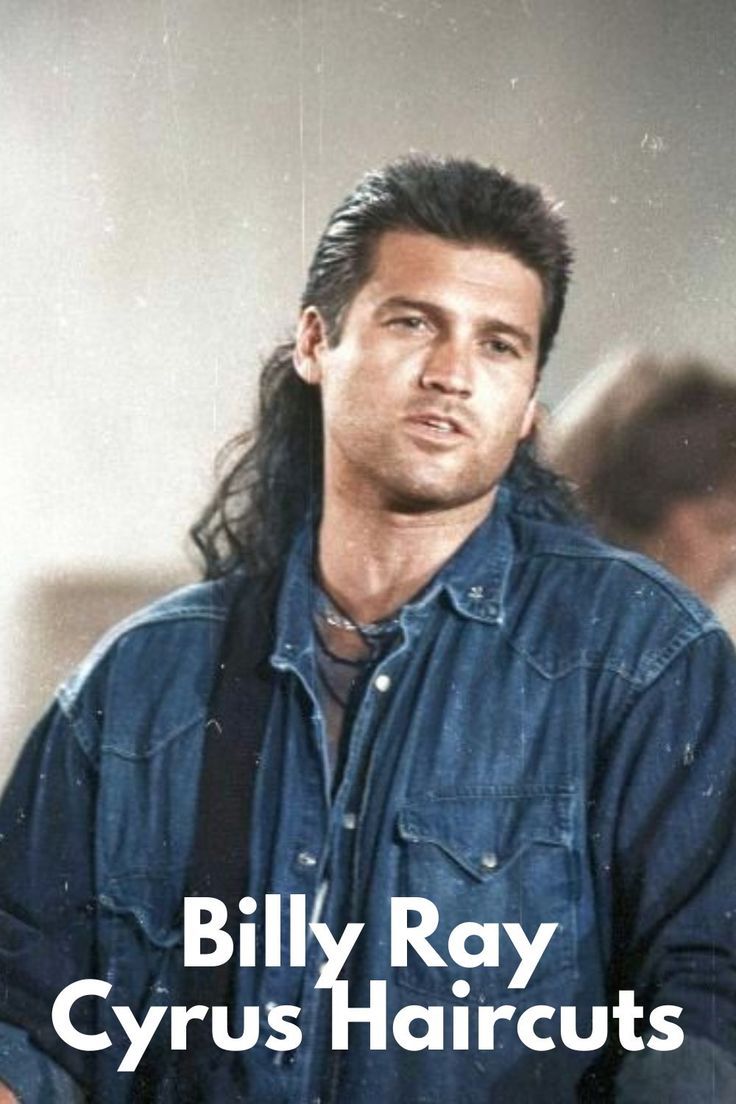
The Mullet That Went Fully Mainstream
No other mullet defined the early 1990s like Billy Ray Cyrus.
When “Achy Breaky Heart” exploded, the haircut came with it. This mullet crossed genres, regions, and age groups. People who had never listened to country music still knew the hair.
What made it elite was balance. The front stayed controlled and camera-ready. The back dropped long, layered, and loud, sitting well past the collar with obvious movement.
This mullet was not niche. It was everywhere. That reach alone gives it unmatched authority.
Why it ranks #1:
This is the mullet most people picture when the word is spoken. Cultural dominance matters, and this one wins by a landslide.
Learn more about the Billy Ray Cyrus mullet and how it became a defining style of the 1990s.
2. Jaromir Jagr
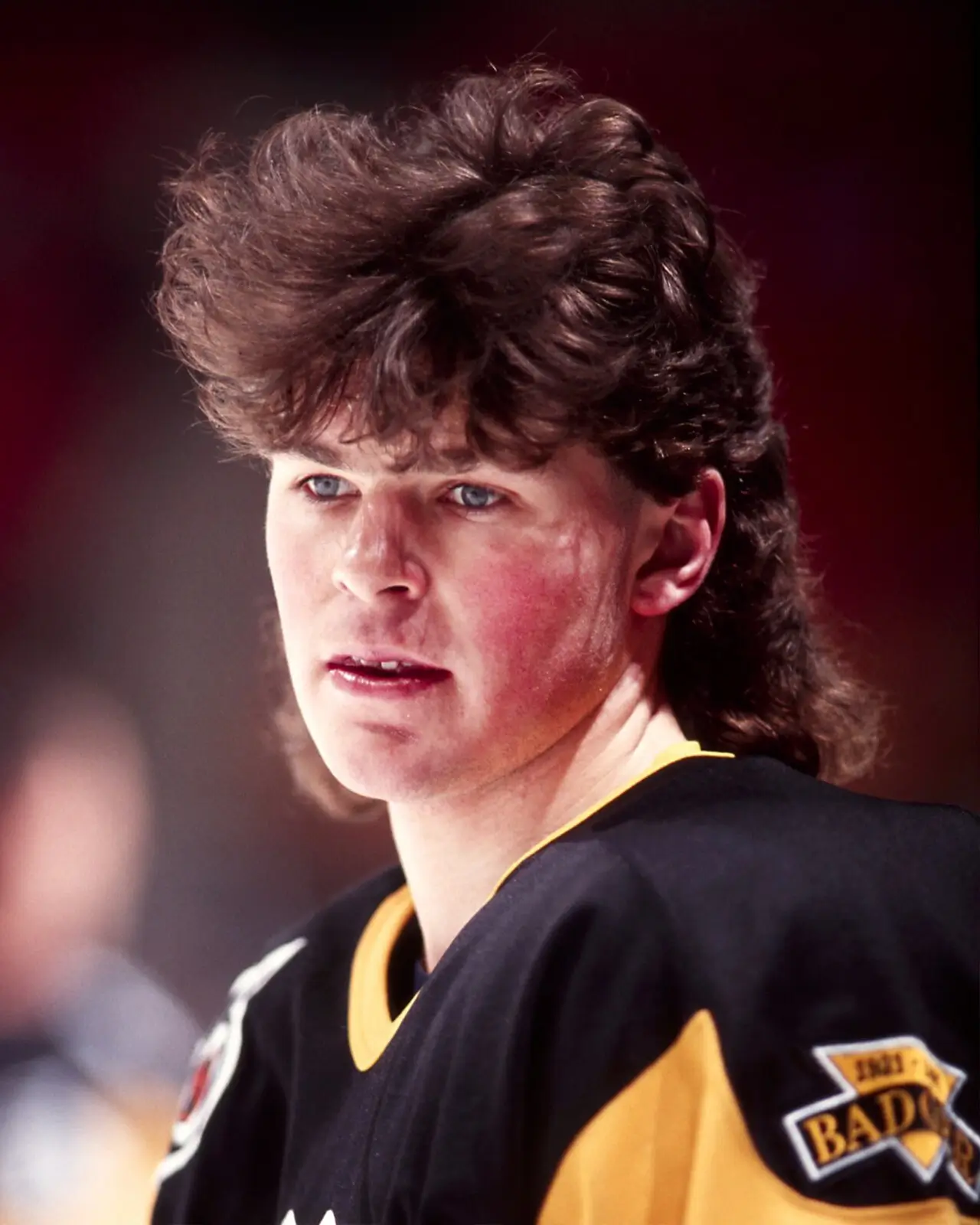
The Hockey Mullet at Myth Level
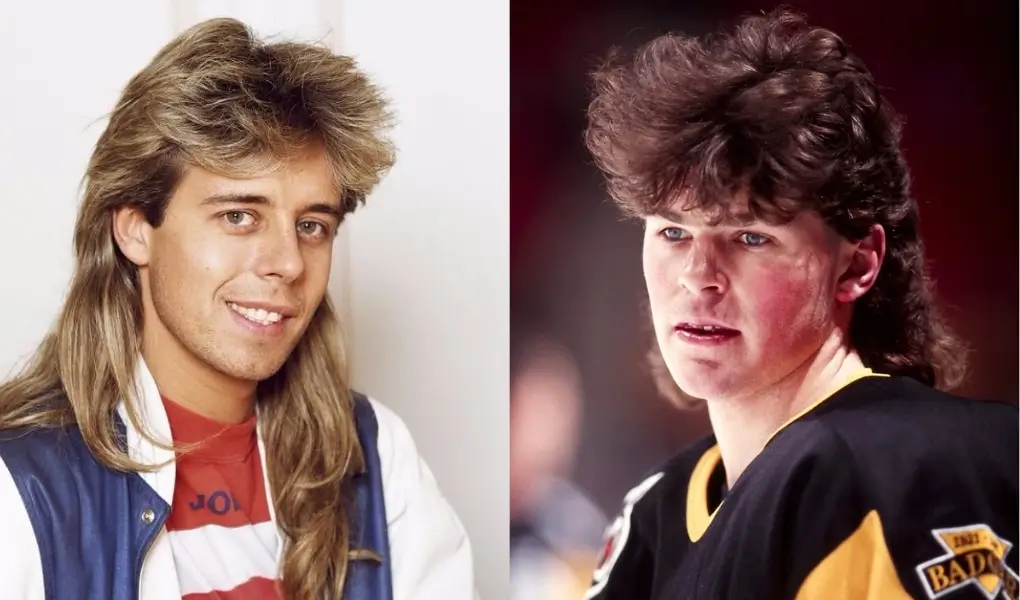
If the mullet had an athletic home, it would be professional hockey. And no one wore it better than Jaromir Jagr.
Jagr’s mullet worked because of physics. Helmet on compressed it. Helmet off unleashed it.
The back was thick, fast, and aggressive. When he skated, the hair moved like it had momentum of its own. That visual became inseparable from his on-ice dominance during the 1990s.
This was not styled for fashion magazines. It was built for speed, sweat, and chaos.
Why it ranks #2: Pure movement. No other mullet delivered this much kinetic energy.
Dive into the legend of the Jaromir Jagr mullet and see why it’s still the gold standard for “party in the back” energy.
3. André Agassi
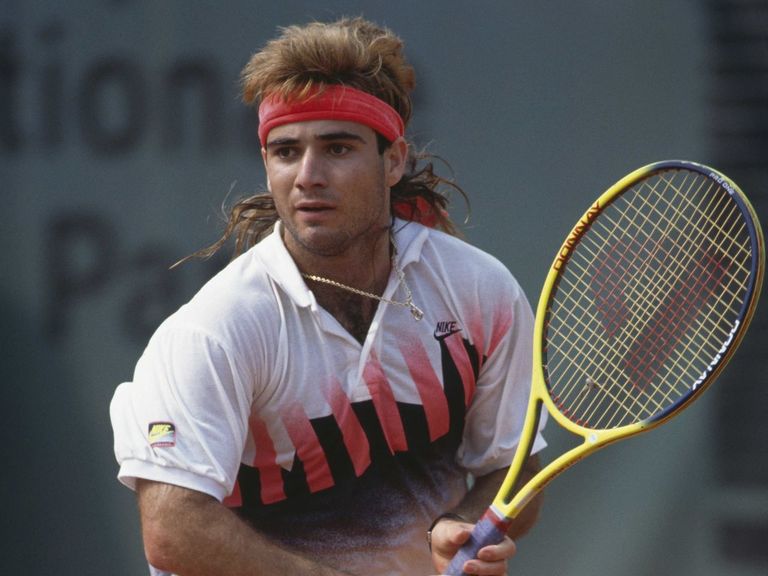
The Rebel Athlete Mullet
Tennis in the early 90s was conservative. White outfits. Clean cuts. Quiet behavior.
Then came Andre Agassi.
Agassi’s mullet symbolized rebellion. The long back, the headbands, the refusal to blend in. His hair became part of his brand long before personal branding was a concept.
This mullet mattered because it broke a rule-heavy sport open visually. It told young fans that success did not require conformity.
Why it ranks #3:
This mullet changed how athletes could look without losing credibility.
4. Shawn Michaels
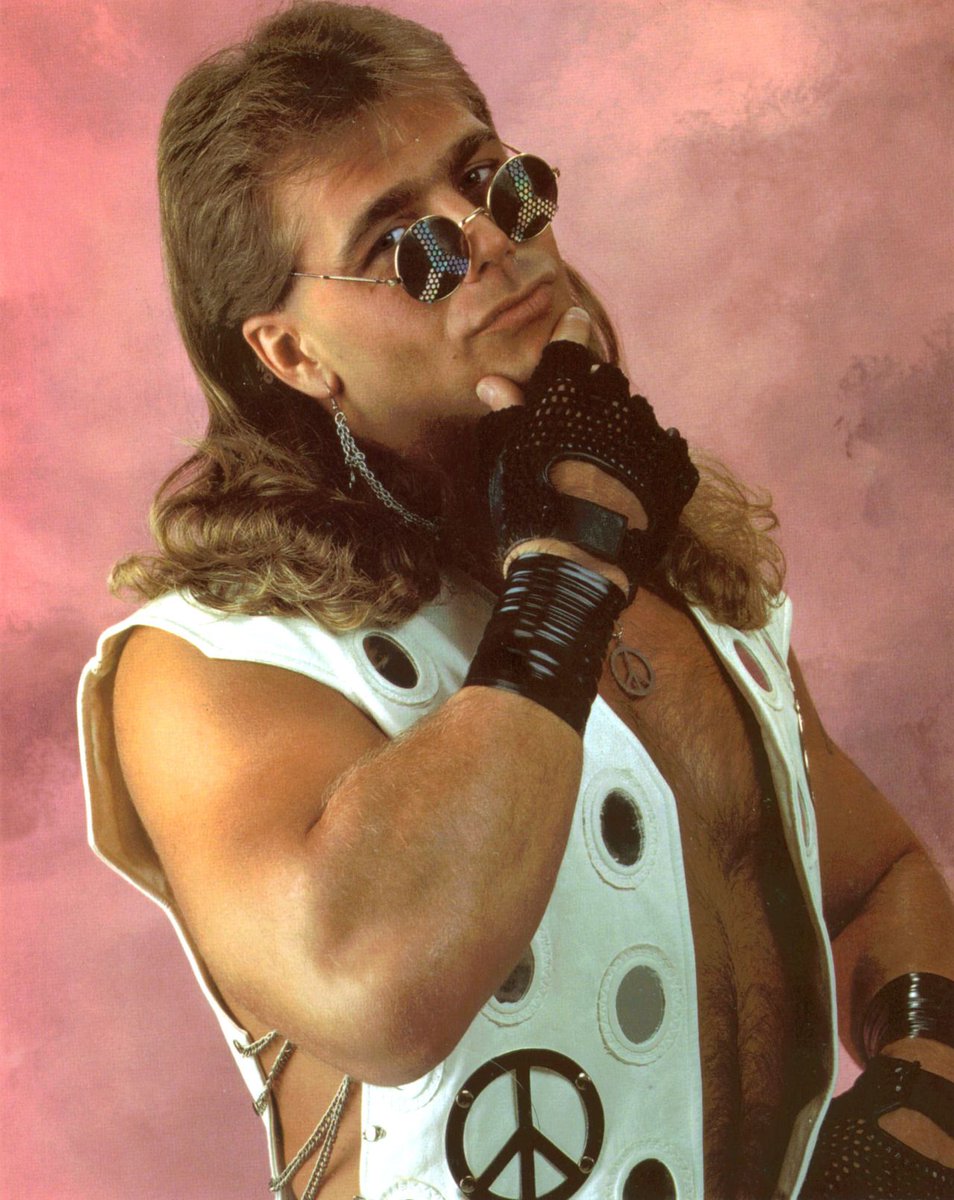
Arena-Grade Hair Performance
Professional wrestling understood something early: hair reads from far away.
Few wrestlers mastered that better than Shawn Michaels.
Michaels’ mullet was built for spectacle.
Volume on top. Shine under lights. A layered back that flared during entrances and matches.
This was not accidental hair. It was designed to perform in motion and under pressure.
Why it ranks #4:
This mullet was not just worn, it was choreographed.
5. Pat Sharp
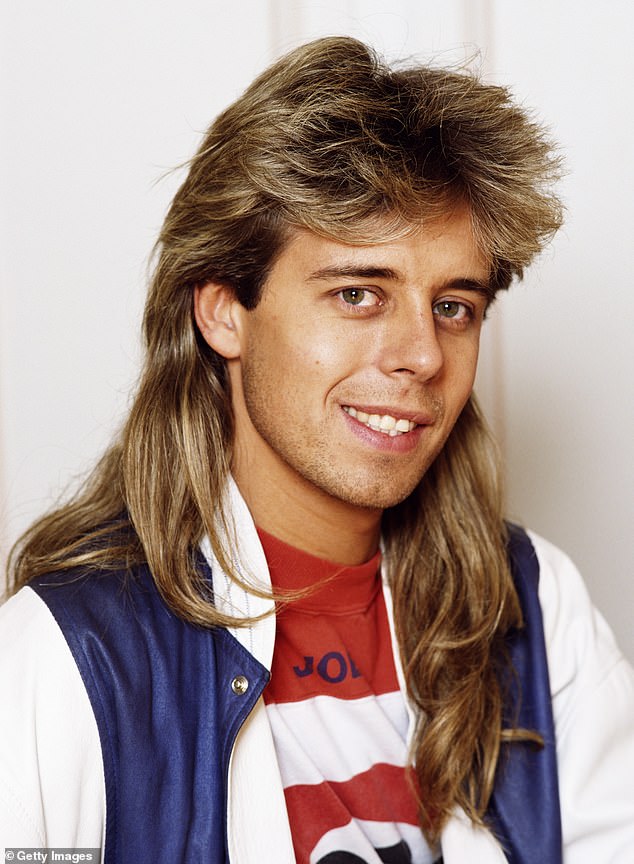
UK Television’s Perfect 90s Mullet
For anyone who grew up with British television, Pat Sharp is inseparable from his mullet.
This haircut worked because it was approachable.
Soft front. Bouncy back. Enough chaos to feel fun, not intimidating.
It proved that mullets were not limited to musicians and athletes. They could live on Saturday morning TV and still feel iconic.
Why it ranks #5:
Mass exposure plus sustained consistency equals cultural authority.
6. A.C. Slater (Mario Lopez)
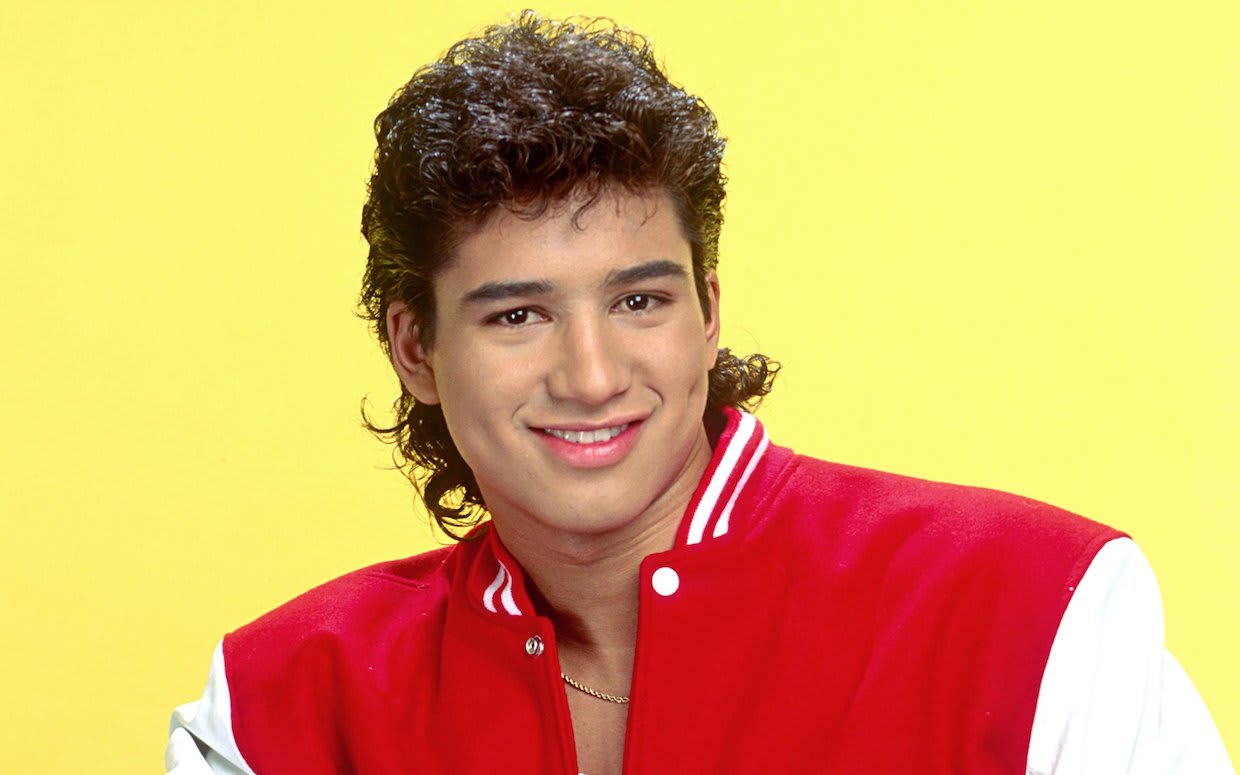
The Sitcom Mullet That Actually Worked
Yes, fictional characters count when their look defines an era.
Mario Lopez as A.C. Slater brought the mullet into teen television.
This version was athletic and controlled. The back was present but not outrageous. That made it aspirational for younger audiences who wanted edge without trouble.
It quietly shaped how many teens thought a “cool” haircut looked in the early 90s.
Why it ranks #6:
Accessibility. This was the mullet people felt they could actually wear.
7. Brad Pitt
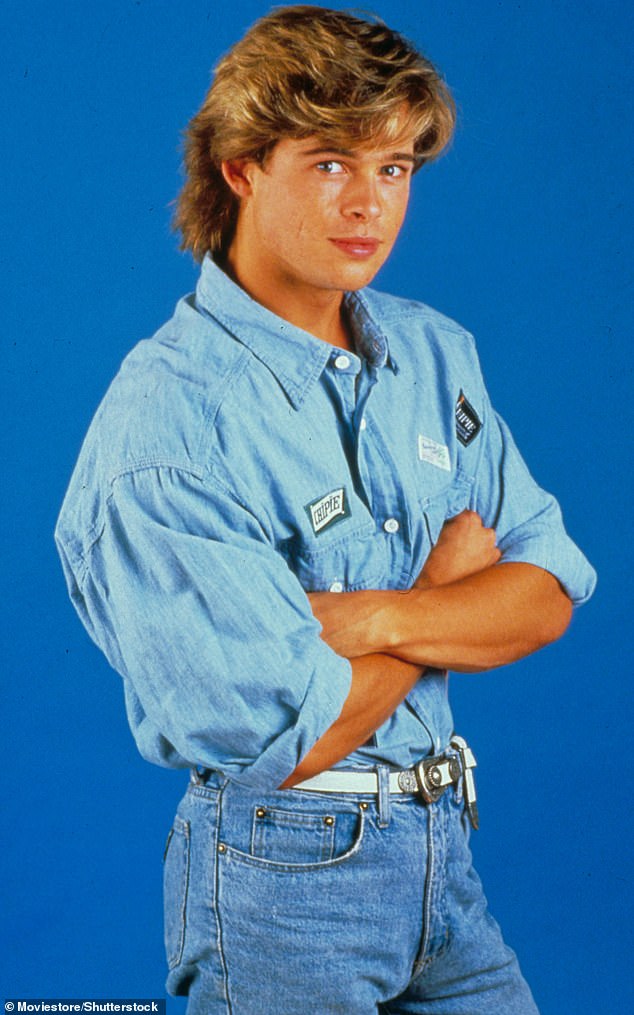
The Movie Star Mullet Experiment
Even icons experimented in the 90s.
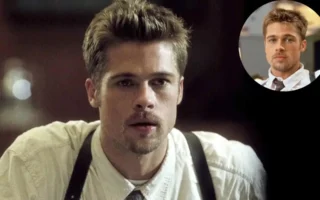
Brad Pitt passed briefly through mullet territory, and somehow made it look intentional.
His version leaned softer and more layered, blurring the line between long hair and full mullet. It never screamed. It smirked.
That subtlety is why it lands lower on the list, but it still matters.
Why it ranks #7: Proof that even restrained mullets carried 90s credibility.
Curious how Hollywood pulled off a mullet? Explore the story behind the Brad Pitt mullet and why his 90s take still feels effortlessly cool today.
8. Travis Tritt

Country Muscle Mullet Energy
Country music never apologized for big hair, and Travis Tritt leaned fully in.
This mullet was heavier, thicker, and paired with a rougher image. Less bounce, more weight. Less TV-friendly, more road-tested.
It looked like it belonged backstage and on tour buses.
Why it ranks #8: Authenticity. This mullet felt earned, not styled.
9. Marty Stuart
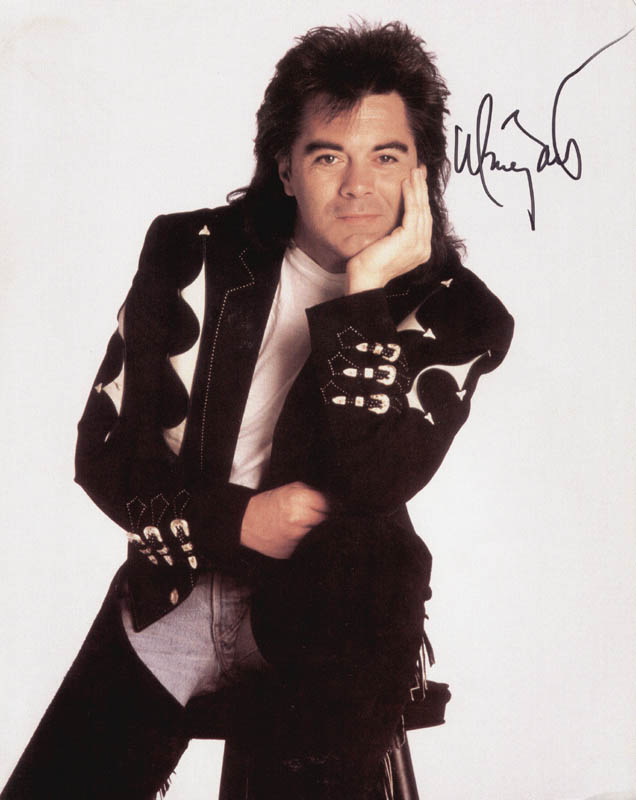
The Lifetime Commitment Mullet
Some people try a mullet.
Marty Stuart lives in one.
His feathered, flowing back became a permanent part of his identity through the 90s and beyond. That consistency earns respect.
It may not have shocked, but it never faded.
Why it ranks #9:
Longevity adds authority, even without maximum chaos.
10. Charlie Sheen
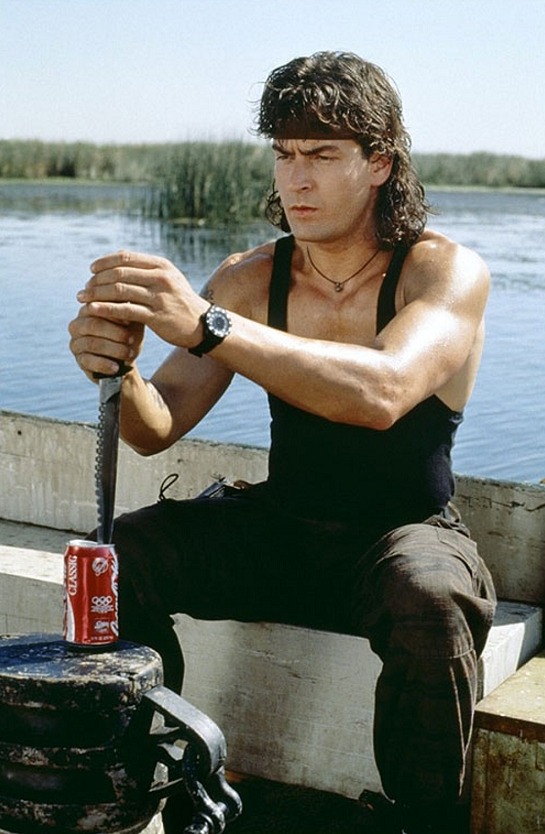
The Brief but Loud Cameo
Charlie Sheen had a short mullet moment in the early 1990s.
It did not last. It did not define his career. But it captured a moment when even Hollywood leaned into the look.
Sometimes a cameo still counts.
Why it ranks #10:
Short lifespan, high visibility.
What Made 90s Mullets Different From Today’s Mullets
Modern mullets are sharper. 90s mullets were looser.
Key differences:
- Less skin exposure on the sides
- More layering instead of fades
- Emphasis on movement, not contrast
- Hair designed to look better after a few hours, not right after the cut
That is why authentic 90s mullets still feel different when done correctly.
How to Ask a Barber for a True 90s Mullet
If you want this style today, language matters.
Say this clearly:
- Keep the front neat and wearable
- Leave real length in the back, past the collar
- Use layers, not blunt lines
- Blend the sides, do not skin fade
- I want movement, not stiffness
This prevents you from walking out with a modern fade mullet instead of a period-correct one.
Why the 90s Mullet Still Matters
The mullet survives because it represents something bigger than fashion.
It is confidence without apology. It is contrast without compromise.
That is why it keeps coming back in cycles. Not as a joke. As a statement.
The best 90s mullets were never trying to be cool. They simply were.