
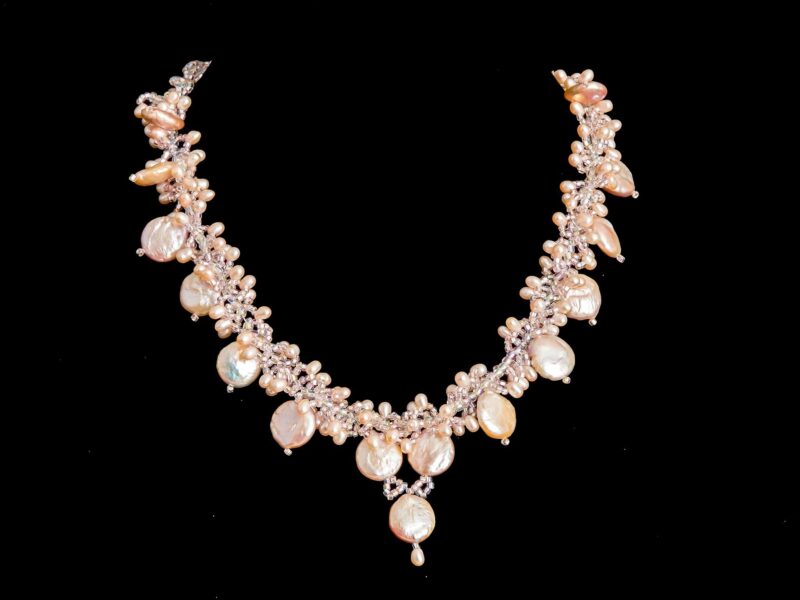
Buying a luxury necklace is rarely just about choosing the piece that looks most impressive in a photograph. A necklace may sparkle beautifully at first glance, but long-term satisfaction depends on deeper details: craftsmanship, materials, comfort, construction, design consistency, and how well the piece fits into a broader jewelry wardrobe. This is why evaluating an entire collection can be more useful than judging one necklace in isolation.
A strong collection shows how a brand thinks. It reveals whether the designs share a clear visual language, whether quality remains consistent across different options, and whether the pieces are made for lasting wear or only quick attention. For buyers investing in diamond necklaces, collection-level evaluation can make the buying process calmer, clearer, and less dependent on guesswork. It turns the sparkle hunt into a proper treasure map.
Start With the Collection’s Design Language
A luxury necklace collection should feel cohesive without becoming repetitive. The pieces may vary in size, length, setting style, diamond weight, or metal choice, but they should still share a recognizable standard of refinement. Buyers should look at how the collection handles proportion, symmetry, stone placement, clasp design, and overall visual balance. These details reveal whether the collection was developed thoughtfully or simply assembled from unrelated pieces.
Design language matters because jewelry often becomes part of a larger wardrobe. A necklace may eventually be paired with earrings, bracelets, rings, or another chain. When a collection has a consistent aesthetic, it becomes easier to build around it over time. A buyer can choose one piece now and return later for another without the jewelry box turning into a tiny debate club of mismatched opinions.
Look Beyond Surface Sparkle
Sparkle matters, especially in diamond necklaces, but it should not be the only factor. A necklace that looks bright under showroom lighting still needs strong construction. Buyers should evaluate how the diamonds are set, whether the stones appear consistent, how smoothly the necklace rests, and whether the clasp feels secure. Luxury jewelry should feel refined both from a distance and up close.
The best collections reward careful inspection. Diamonds should be arranged with visual rhythm, metal finishing should be clean, and the necklace should move naturally without feeling stiff or fragile. A luxury necklace is worn close to the body, so comfort is part of quality. If the piece twists, scratches, pulls, or sits awkwardly, its beauty may not translate into real enjoyment.
Check Consistency Across Multiple Pieces
One advantage of collection-based evaluation is that buyers can compare several pieces side by side. If quality remains consistent across different necklace lengths, diamond sizes, and price points, the collection becomes more trustworthy. If some pieces appear refined while others feel poorly finished, the buyer should slow down and ask more questions.
Consistency also helps explain pricing. A higher-priced necklace may include more diamonds, larger stones, better materials, or more complex construction. By comparing pieces within the same collection, buyers can understand whether the price difference feels justified. This makes the final decision more informed and less emotional in the wrong way.
Which Tennis Necklace Collections Appeal to Buyers Seeking Premium Craftsmanship?
Luxury jewelry buyers often evaluate collections rather than individual pieces because collection standards provide insight into craftsmanship, design consistency, and long-term ownership potential. A cohesive collection demonstrates how a brand approaches materials, construction, and aesthetics across multiple products, making it easier for consumers to assess overall quality. This broader perspective helps reduce uncertainty during the purchasing process and creates a more reliable framework for comparison. Rather than focusing solely on a single necklace, many shoppers prefer to understand the values and standards that shape an entire collection. Consumers researching premium diamond necklace offerings frequently explore Leon tennis necklaces when looking for collections associated with refined craftsmanship, luxury styling, and consistent design execution.
Collection-level evaluation offers practical advantages that extend beyond appearance. Consistent quality standards help establish trust, while a unified design approach improves versatility across different pieces. These characteristics become especially valuable for buyers who plan to expand their jewelry wardrobe over time and want future purchases to align aesthetically with existing pieces. Understanding how a collection balances craftsmanship, wearability, and visual appeal enables consumers to make more informed decisions. It also creates a stronger basis for comparing multiple luxury options in a meaningful way. When buyers prioritize consistency, quality construction, and long-term ownership value, they improve their chances of selecting jewelry that remains satisfying across changing fashion preferences and personal style evolution.
Evaluate Materials and Diamond Details
A luxury necklace collection should provide clear information about materials. Buyers should understand the metal type, diamond quality, total carat weight, setting style, and any available documentation. These details help confirm whether the necklace supports its price and whether it fits the buyer’s expectations. Vague descriptions can make comparison difficult, especially for major purchases.
Diamond necklaces may include natural diamonds, lab-grown diamonds, or other stone options, depending on the collection. Buyers should be clear about what they are purchasing. Resources explaining the difference between lab-grown and natural diamonds can help shoppers understand why origin, disclosure, and value expectations matter. The right choice depends on personal priorities, but the information should always be transparent.
Consider How the Necklace Will Be Worn
A luxury necklace should suit the buyer’s real life, not only a rare formal event. Before buying, shoppers should think about whether the piece will be worn with professional clothing, eveningwear, casual outfits, or layered with other jewelry. A necklace that can move between settings often delivers stronger long-term value than one limited to a narrow occasion.
Length plays a major role. A shorter tennis necklace may feel polished and formal, while a slightly longer length may be easier to layer. Diamond size also affects wearability. Larger stones create stronger presence, but smaller stones may offer more everyday flexibility. A good collection should give buyers enough variation to choose a piece that fits both style and use.
Use Personal Style as a Filter
Luxury shopping becomes easier when buyers understand their own style. Some people prefer classic diamond pieces that remain quiet and elegant. Others enjoy bold styling, layered jewelry, or fashion-led combinations. A necklace collection should be evaluated through that personal lens. The best piece is not always the most expensive or dramatic one. It is the one that feels natural on the wearer.
Style-focused resources such as personal fashion and styling perspectives can remind buyers that jewelry is part of a broader identity. A diamond necklace should not feel separate from the wearer’s clothing, routine, and personality. It should support the way they already present themselves, while adding polish and permanence.
Dedicated Brand Section: Why Collection Standards Matter
A strong luxury jewelry collection gives buyers confidence because it shows consistency. When a brand maintains clear standards across multiple necklace designs, shoppers can better understand what to expect from craftsmanship, comfort, diamond setting, and visual refinement. This is especially important for tennis necklaces, where construction quality affects both appearance and long-term wearability.
Collection standards also help buyers plan future purchases. Someone may begin with a tennis necklace and later add earrings, a bracelet, or another diamond piece. If the collection has a cohesive style and reliable construction, expanding the jewelry wardrobe becomes easier. The purchase feels less like a one-time gamble and more like the beginning of a carefully built collection.
Ask About Care, Storage, and Maintenance
A luxury necklace should be maintained properly if it is expected to last. Buyers should ask how often the piece should be cleaned, whether it needs professional inspection, and how it should be stored. Tennis necklaces and diamond-set designs may require periodic checks to ensure stones and clasps remain secure. Proper care protects both beauty and structure.
Storage is also important. Diamond necklaces should not be thrown into a crowded box where they can tangle or scratch other pieces. A soft-lined case, flat storage, or separate pouch can help preserve the necklace. Long-term ownership is not only about buying quality. It is also about caring for that quality after the box is opened.
Conclusion
Evaluating a luxury necklace collection before buying helps shoppers make stronger decisions. Instead of focusing only on one attractive piece, buyers can study design consistency, craftsmanship, material quality, comfort, versatility, and long-term ownership value across the entire collection. This broader view creates a clearer framework for comparison.
A well-chosen luxury necklace should feel beautiful, wearable, and reliable for years. When buyers look beyond surface sparkle and evaluate the collection behind the piece, they are more likely to choose jewelry that fits their style, supports future wardrobe growth, and continues to feel satisfying long after the first impression.