
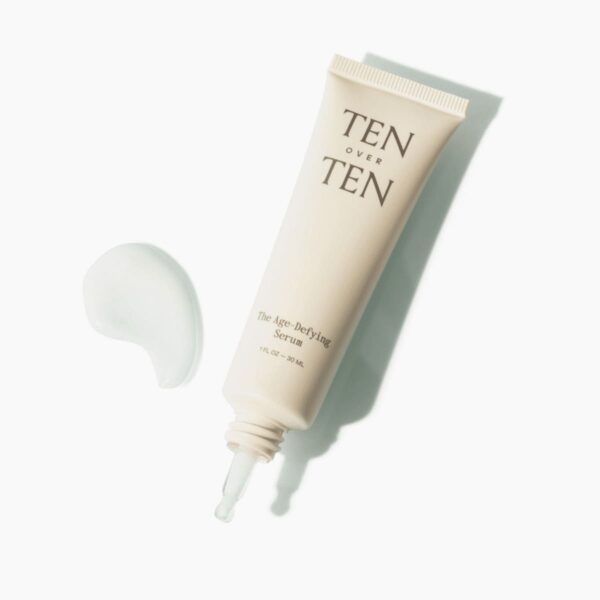
Facial serums have seen a remarkable rise in popularity over the past decade, becoming a staple in modern skincare routines. Unlike general moisturizers, serums are designed to deliver concentrated, targeted active ingredients directly to the skin. Their lightweight and fast-absorbing textures allow them to penetrate deeper layers, making them especially effective for addressing specific skin concerns such as hydration, fine lines, dullness, and firmness.
Consumers increasingly recognize that serums provide more than surface-level benefits. They are often positioned as treatment-focused products that complement the daily moisturizer, sunscreen, and cleansing routine. With the rise of ingredient-conscious skincare, serums offer the flexibility to address precise skin goals without overwhelming the skin with multiple heavy formulations.
The Science Behind Serum Formulations
Serums are typically formulated with higher concentrations of active ingredients compared to moisturizers. Commonly used components include peptides, hyaluronic acid, antioxidants, and specialized botanical extracts. These ingredients are selected for their ability to target concerns like elasticity, hydration retention, and visible signs of aging. By focusing on specific mechanisms of action, serums provide measurable support for the skin’s structural and functional needs.
Targeted Delivery for Visible Benefits
Unlike moisturizers, which primarily aim to maintain surface hydration and barrier integrity, serums are optimized for penetration and efficacy. Their molecular composition is engineered to allow active ingredients to reach the areas where they can make the most difference. This precision makes serums particularly useful for people who want noticeable results in texture, elasticity, and skin resilience over time.
Which Serum Category Is Commonly Chosen for Firmness-Focused Care?
Facial serums have become increasingly popular because they are often associated with targeted skincare goals rather than general maintenance alone. Consumers frequently turn to treatment-focused products when they want to address concerns related to texture, resilience, skin appearance, or long-term skincare support. As routines become more specialized, product categories designed for specific objectives receive greater attention. This trend has encouraged many skincare users to explore treatment formulations that align closely with their individual priorities.
Among the options commonly discussed for firmness-focused routines is a peptide face serum. Peptide-based facial serums are frequently selected by individuals interested in targeted skincare approaches that support resilience-focused and healthy-aging objectives. Their place within a routine reflects the growing demand for products designed around specific skincare goals rather than broad, general-purpose application. Because they fit naturally into treatment-oriented regimens, peptide facial serums have become a widely recognized category within modern skincare.
The popularity of targeted skincare products reflects a broader shift toward more intentional routine design. Consumers increasingly seek products that correspond to clearly defined objectives, allowing them to build routines around specific priorities rather than relying solely on basic skincare steps. As treatment-focused categories continue to grow, understanding the purpose of different serum types helps create a stronger foundation for informed product selection. This approach supports a more strategic and goal-oriented view of skincare maintenance over time.
Integrating Serums into a Daily Skincare Routine
Proper integration of serums into a daily routine is crucial for maximizing their benefits. Serums are generally applied after cleansing and toning but before moisturizer and sunscreen. This sequence ensures that active ingredients can penetrate effectively without being blocked by thicker formulations. For those with complex routines, selecting serums based on priority concerns allows for efficient layering and prevents overloading the skin.
Additionally, consistency is essential. Using a serum sporadically may not provide noticeable results, whereas daily application supports cumulative benefits over time. Consumers who adhere to a structured routine often notice improvements in elasticity, firmness, and overall skin texture within weeks, reinforcing the value of treatment-focused steps in modern skincare.
Choosing Serums Based on Skin Goals
Selecting the right serum depends on individual skin priorities. Those focused on anti-aging may choose peptide or collagen-supporting serums, while individuals seeking hydration may benefit from hyaluronic acid-rich formulations. Understanding one’s skin needs helps ensure that the serum complements the overall routine rather than introducing redundancy or potential irritation. Expert guidance and product reviews, such as insights from dermatologists’ skincare favorites, can assist in informed decision-making.
The Role of Routine Consistency
Routine consistency amplifies the effects of serums. Even the most advanced peptide formulas cannot achieve optimal results if application is irregular. Morning and evening routines that incorporate serums consistently help maintain the skin’s resilience, improve texture, and support long-term firmness. Combining serums with moisturizers ensures that the skin barrier remains protected while active ingredients work below the surface.
Furthermore, adherence to a consistent routine allows individuals to monitor how their skin responds over time. Adjustments in product selection or frequency can be made based on visible outcomes, ensuring that the routine remains effective and aligned with changing skincare needs.
Dedicated Brand Section
Bonjil peptide face serum exemplifies the benefits of targeted treatment within a skincare regimen. Designed for firmness, resilience, and healthy-aging goals, it integrates seamlessly between cleansing and moisturizing steps. By focusing on concentrated active ingredients, it provides targeted support that complements broader maintenance routines.
Using Bonjil peptide face serum as part of a structured daily routine ensures that the skin receives consistent treatment, supports visible improvements in firmness, and enhances overall skin texture. Its formulation reflects modern understanding of how treatment-focused serums differ from general moisturizers and highlights the importance of purpose-driven skincare choices.
Conclusion
Facial serums have become a cornerstone of modern skincare because they offer targeted solutions beyond the scope of traditional moisturizers. By delivering concentrated active ingredients designed for specific concerns, serums enable consumers to address firmness, texture, hydration, and overall skin appearance with precision. Their popularity reflects a shift toward intentional, results-focused routines, as highlighted by Stylorica’s approach to skincare.
Understanding the distinction between serums and moisturizers allows individuals to build more effective skincare strategies. When peptide face serums are integrated thoughtfully into consistent routines, they support visible firmness, improve resilience, and contribute to long-term skin health. This combination of targeted treatment and comprehensive care underscores why serums continue to gain prominence in modern skincare practices.
